Cheap Pet Carriers Wholesale: Where Cost Comes From
Cheap pet carriers wholesale pricing comes from six lines, not one: fabric 38-46% of FOB cost, trim and hardware 14-19%, cutting and sewing labour 16-22%, packaging 5-8%, compliance and testing 3-6%, and overhead plus margin 8-12%. Sustainable low-cost programmes cut fabric grade, trim specification and packaging first. The line that must never be cut is testing, because a failed compliance check costs more than every saving combined.
A low unit price is a specification outcome long before it is a negotiation outcome, which is why the productive question is not how cheap a supplier will go but which of the six cost lines they intend to move to get there. QUANZHOU JUNYUAN BAGS builds pet bag programmes on MOQ 500 per colourway, with samples in 6-10 working days, bulk production 35-50 days from sample approval and release against AQL 2.5, and within that frame the same product can be quoted across a wide band purely by changing fabric denier, coating, zipper brand and carton specification. Those four decisions account for most of the spread between a budget quote and a mid-market one, and all four are visible on a written specification if the buyer insists on seeing one. Two rules keep a cost-down exercise from becoming a quality problem. First, cut only the lines whose failure mode you can tolerate: packaging and trim specification fail visibly and cheaply, while fabric coating and reinforcement fail after the customer has the product. Second, treat any quote that is materially below the field as a specification question rather than a bargain, because a price that cannot be explained by a line item is usually explained by something that was not written down. Buyers who apply both rules consistently run low-cost programmes that survive a second season.
Wholesale pet bags usa and wholesale pet bags europe run on different compliance files, so Market & Business Strategy documentation should be prepared per destination rather than once. Export pet bags with the country-of-origin marking fixed at packing stage, because relabelling at the port costs more than the whole print run.
What Cheap Means at Three Different Volume Bands
The word cheap is doing too much work in most sourcing conversations, because it describes three different commercial situations that have nothing in common. Separating them is the first step in any cost-down exercise, and it prevents the most common sourcing error of all: comparing a budget-specification quote against a mid-market one and concluding that one supplier is better at their job.
A pet carrier wholesale price comparison that stops at the headline figure is comparing the smallest line on the sheet. The first situation is a low price at a low specification. This is the legitimate version. A 420D shell instead of a 600D, a generic zipper instead of a branded one, a polybag instead of a printed carton. Nothing is hidden, everything is on the specification, and the product is fit for a defined channel such as a promotion, an entry price point or a market where the retail band simply will not carry a heavier build. There is nothing wrong with this and it is where most genuine low-cost volume in the category sits.
The second situation is a low price created by removing cost the buyer cannot see. Unreinforced stress points, a lining that has not been tested for substances of concern, a mesh that meets the visual requirement but not the airflow one, a carton count that quietly increases freight cost per unit. This version is cheaper on the quote and more expensive in total, and it is detected only by specification discipline and inspection.
The third situation is a low price that is not actually the price. It excludes packaging, or inland logistics, or export documentation, or it is quoted at a different Incoterm, or it carries a validity of thirty days against a fabric market that is moving. This version is not a cost reduction at all; it is an incomplete quote, and it is the most common of the three.
Pet bag lead time belongs in the same comparison, stated in working days from approval, because a price that cannot be delivered inside the season is not comparable. Before any comparison, establish which of the three is on the table. Ask for the six lines, ask for the specification, and ask which Incoterm and validity attach. A fuller comparison of pet bag materials helps when specifying the first of those six lines. A buyer who does this converts a conversation about price into a conversation about content, which is the only conversation that produces a durable result.
The Six Lines That Make Up a Quote
Every pet bag quote, however it is presented, resolves into six lines. Suppliers rarely show all six, but every one of them is present in the arithmetic, and a buyer who can name them can interrogate a price without needing to see the supplier's internal sheet.
| Cost line | Indicative share of FOB cost | Main lever | What happens if it is cut |
|---|---|---|---|
| Shell and lining fabric | 38-46% | Denier, coating, certification, width yield | Abrasion life and water resistance drop first; returns follow |
| Trim and hardware | 14-19% | Zipper brand, buckle grade, webbing width | Failure is immediate and visible; the most complained-about line |
| Cutting and sewing labour | 16-22% | Stitch count, reinforcement points, operation count | Seam and handle failures appear after weeks of use |
| Packaging and documentation | 5-8% | Carton vs polybag, printed insert count | Retail readiness suffers; freight cost per unit can rise |
| Compliance and testing | 3-6% | Test scope, certificate currency | Shipment rejection or delisting; the one line never to cut |
| Overhead and margin | 8-12% | Volume, scheduling, payment terms | Squeezing this invites substitution later in the relationship |
The shares are indicative and will move with specification, but the shape is stable: fabric dominates, trim and labour are comparable and together account for roughly a third, and compliance is small. That last observation is the most useful thing on the table. Because testing is 3-6% of cost, there is no arithmetic case for removing it; the saving is trivial relative to the exposure.
For a pet bag wholesale business the margin line is the least productive place to negotiate. The second useful observation is where leverage actually sits. A buyer who negotiates only on the margin line is fighting for a few percent with a counterparty who has every reason to defend it, while a buyer who changes fabric denier, coating and carton specification moves twenty points without negotiating at all. Cost is a specification decision.
One caveat on the shares: they are shares of FOB cost, not of landed cost. Freight, duty and inland handling sit outside the quote and can be a fifth of what the buyer actually pays for a bulky product, which is the subject of a later section.

Fabric: The Largest Line and the Easiest to Cut Badly
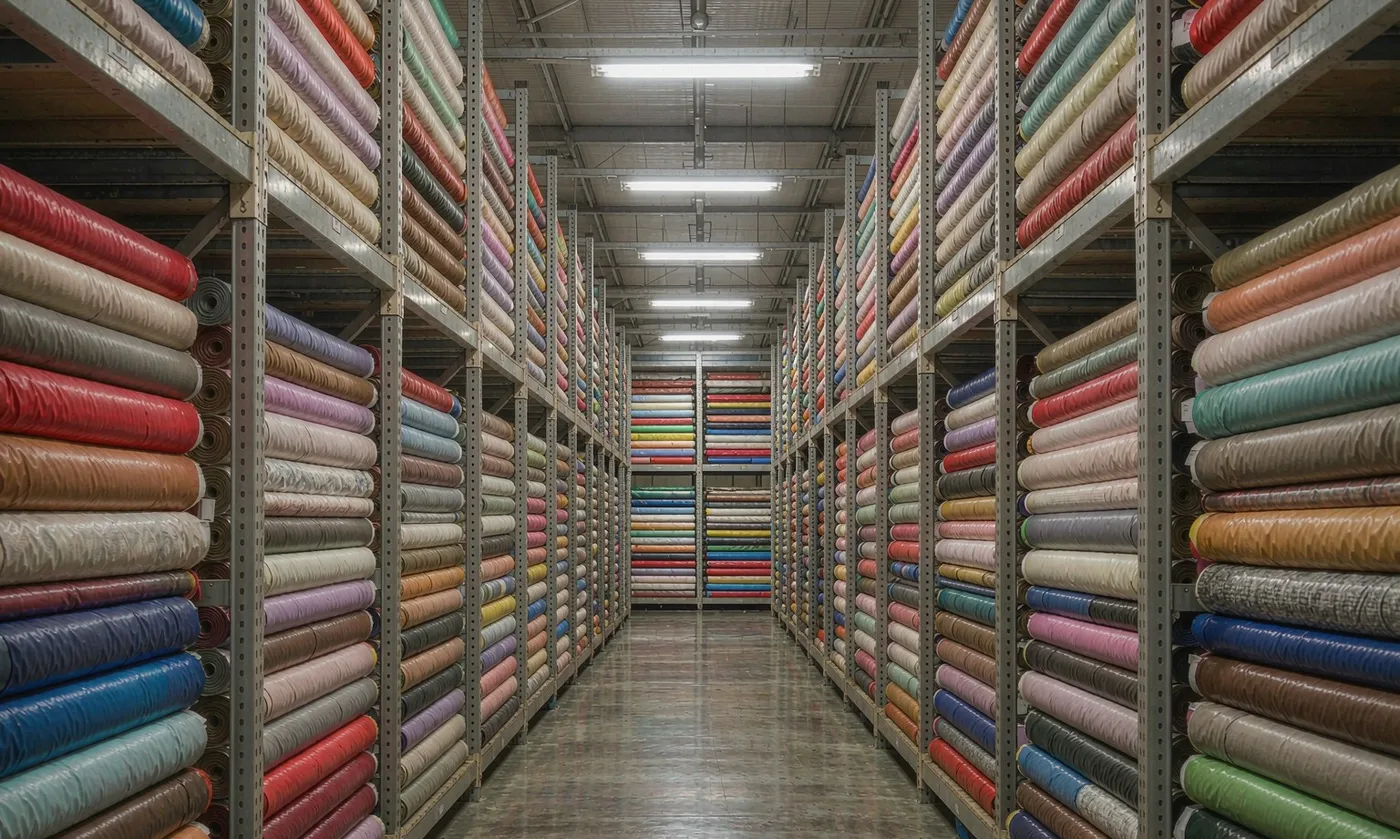
Fabric is where the money is, and it is also where a cost-down exercise most often goes wrong, because the visible specification and the functional specification are not the same thing. Denier is the number everyone quotes and the number that matters least. Coating, weave density and finish determine how the product performs, and they are the first things quietly reduced when a quote has to come down.
A 600D polyester with a PU coating and a 420D polyester with the same coating look similar on a hanger and behave differently in use, and the practical choice is set out in 600D fabric grade selection. The lighter fabric has a shorter abrasion life and lower dimensional stability under load, which shows up at the handle attachment and at the base, exactly where a pet bag is stressed. A buyer stepping down a grade should also step down the claim: a bag built on a lighter shell should not be marketed as heavy duty, and the retail copy should be written to match the build.
Coating is the second place to look. A coating specification drives water resistance, and water resistance is a claim that can be tested. A pet bag described as water resistant without a stated hydrostatic figure is making an unenforceable claim, and on a low-cost programme that is where a retail compliance review will push back. Specify the number, or drop the claim.
Pet bag sample cost is best spent here rather than on extra colourways, because a downgraded fabric has to be tested rather than assumed. Width yield is the invisible fabric lever. Fabric is bought by the metre and cut by width, and a pattern that nests efficiently on a 150-centimetre roll wastes less than one that does not. Two suppliers quoting the same fabric grade can differ by several percent purely on marker efficiency, which is a real difference and not a negotiating posture.
Finally, certification. Fabric tested to substance limits under schemes such as OEKO-TEX costs more per metre, and for goods entering the European Union the chemical obligations administered by ECHA make documented substance control a commercial requirement rather than an optional virtue. The cost is small, it sits inside the largest line, and it is the cheapest insurance on the whole specification.
Trim and Hardware: Small Parts, Disproportionate Money
Trim is the second-largest line and the most complained-about one, because hardware failure is immediate, visible and attributable. A fabric that wears out after two years produces disappointment; a zipper that fails in the first week produces a return, a review and a conversation with the retailer. For that reason trim is the line to be most careful with, even though it is also one of the easiest to reduce.
The zipper is the single most consequential component. A branded zipper can cost several times a generic equivalent and has its own lot minimums, so the choice affects both the cost line and the quantity at which the supplier's own breakpoints are met. The failure mode of a cheap zipper is not dramatic: the slider wears, the tape delaminates, or the teeth separate under load at the curve. All three happen in the customer's hands.
Buckles, clips and adjusters come next. These are load-bearing on a pet bag in a way they are not on a fashion bag, because the load moves. A buckle rated for a static load can open under a shifting animal, and the fix is not a stronger buckle but a correctly specified one, with the rating stated on the specification. Webbing width behaves the same way: narrowing webbing by a few millimetres saves cents per unit and reduces the margin on a load path.
Where a genuine saving is available in trim, it is usually in standardisation rather than in downgrading. Specifying one zipper tape colour, one buckle mould and one webbing width across a whole range allows the components to be bought as one lot at a better price, and it simplifies the spare-parts and re-order situation. This is a saving created by design discipline rather than extracted from quality.
A practical rule for any low-cost programme: keep branded or rated hardware on every load path and closure, and take the cost out of decorative trim, puller design and secondary components. Customers notice closures; they do not notice puller finish.
Labour Minutes: What the Operator Actually Does
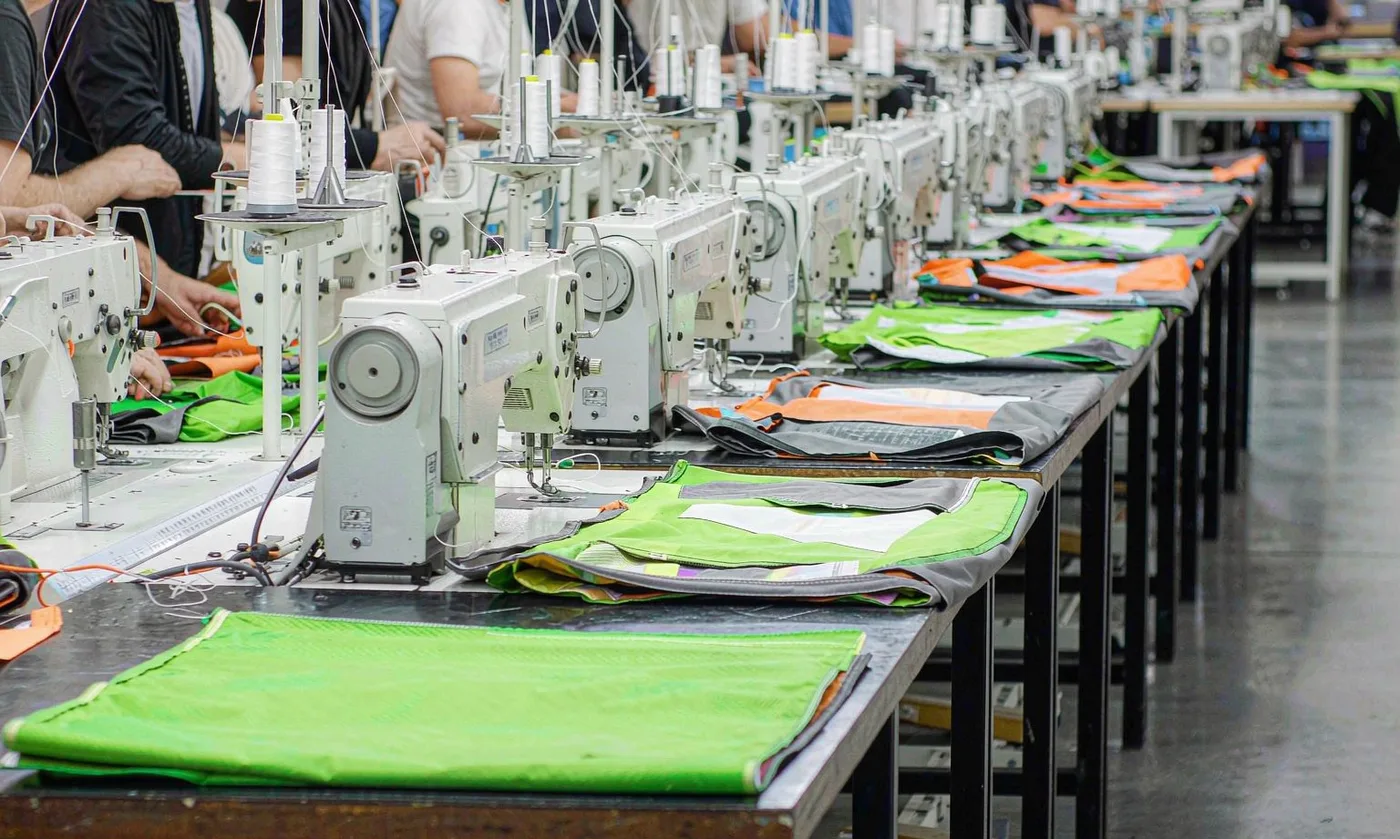
Labour is priced in minutes, and minutes are created by operations. Every seam, every reinforcement, every turned edge and every attached component is an operation that takes time on a line, which means the fastest way to understand a labour quote is to count the operations rather than to argue about the rate.
The operation count is where a specification quietly becomes expensive. A bag with six reinforcement points costs more to sew than one with two, not because reinforcement is costly in material but because each one is a separate handling step. Boxed corners, bound internal seams, a structured base insert and a lined interior each add operations. None of them is wasteful, but all of them are choices, and a cost-down exercise that does not look at the operation list is missing the third-largest line entirely.
Reinforcement is the item to protect. On a pet bag the load paths run through the handle attachment, the shoulder strap anchor, the base and the closure. A saving made by removing a bartack at a strap anchor is a few cents per unit and a structural failure in the field. The same cents are available from simplifying an internal pocket, reducing the number of separate panels in a lining, or dropping a decorative binding that requires a separate pass.
Labour cost also responds to run length and to consistency, which links back to the volume decision. A line that runs one style continuously for a full shift builds pace and the per-unit minutes fall; a line that changes style twice a shift does not. This is why two suppliers quoting the same operation list can legitimately quote different labour content, and why a buyer consolidating styles into fewer, deeper runs gets a genuine cost reduction rather than a nominal one.
Ask for the operation count on a complex style. A supplier who can state it understands their own cost; one who cannot is quoting from a previous similar job, which is how a price turns out to be wrong later.
Compliance, Testing and Documentation: The Line Not to Cut
Testing is 3-6% of FOB cost, and it is the only line on the sheet where cutting it creates exposure out of all proportion to the saving. The reason is that a compliance failure does not produce a defective product; it produces a shipment that cannot be sold, and it is usually discovered after the goods have been paid for and shipped.
The specific obligations depend on the destination market. Goods sold in the United States fall under the product safety regime administered by the U.S. Consumer Product Safety Commission, and where an article is marketed for children the additional CPSIA requirements on lead and phthalates apply with their own testing and certification duties. Goods entering the European Union are subject to chemical restrictions under REACH, and textiles sold with a substance claim need the documentation to support it. California adds its own warning obligations.
The practical discipline is to treat compliance as a specification line rather than a formality. State the target market, state the standards, state who holds the test reports and how current they are, and state what happens if a report expires before shipment. Test reports age, and a report issued against a fabric lot two years ago is not evidence about the fabric being cut this month.
Three documentation items are routinely forgotten and routinely cause delays at import or at retailer onboarding: country-of-origin labelling, the retail barcode assignment, and the instruction or care leaflet. Each is cheap to produce in the run and expensive to add afterwards, because adding them later means opening cartons.
The conclusion worth quoting: on a low-cost programme, compliance is the last place to save and the first place to spend, because it is the only cost line whose failure blocks the entire shipment rather than a proportion of it.
Freight and Duty: The Cost That Sits Outside the Quote
A pet bag is bulky and light, which is the worst possible combination for freight economics, because consignments cube out long before they weigh out. Freight is therefore charged on volume, and a cheaper product that packs larger can cost more to land than a slightly more expensive one that packs tighter. The cheapest pet carrier wholesale price is therefore not the lowest FOB figure, and this is why a quote comparison that stops at FOB is frequently wrong about which supplier is cheaper.
The mechanics are worth understanding. A carton is charged on its volumetric weight, derived from its dimensions rather than its mass, so the two variables that matter are carton size and units per carton. A bag that ships flat-packed, nests, or compresses without damage reduces the volumetric weight per unit substantially. A bag with a rigid base insert does not, and the insert that improves shelf appearance is being paid for twice, once in material and once in every cubic metre of freight.
Duty is the second outside cost and it is a classification question. Travel goods and textile articles can fall in different headings with different rates, and the classification is determined by the actual article rather than by what the supplier calls it. Getting the classification right before shipping is far cheaper than correcting it after an entry has been filed.
Transit mode is the third lever and it interacts directly with the season. Sea freight is dramatically cheaper per unit and takes weeks; air freight costs several times more and takes days. A programme that misses its sea window because the brief slipped pays for air freight, and the freight premium will usually exceed every saving made in the cost-down exercise. This is the practical reason pet bag lead time belongs on the same page as the cost model: the cheapest product is the one that ships by sea, and shipping by sea is a scheduling achievement rather than a purchasing one.
Model landed cost, not unit cost, and start the comparison from FOB terms and what they include so that both figures mean the same thing. Ask the supplier for carton dimensions and units per carton on the quote itself, and the comparison becomes real.
Packaging: The Safest Line to Cut and the Easiest to Forget
Packaging is 5-8% of FOB cost and is the safest line in a cost-down exercise, because its failure mode is commercial rather than functional. A bag in a polybag works exactly as well as the same bag in a printed carton; what changes is how it presents at retail and how it survives the journey.
The decision is therefore a channel decision, and it should be made against where the product will be sold. A marketplace channel, where the customer sees a photograph and receives a parcel, does not need a retail carton and should not pay for one. A shelf channel needs the carton, the barcode and often a hang tag, because the product has to sell itself in three seconds from a metre away. A distributor channel sits in between and usually wants a plain shipper with the retail packaging applied later.
Print minimums are the hidden trap in this line. Printed cartons, hang tags and instruction leaflets each carry a printer's minimum, and on a short run the per-unit cost of a full-colour carton can exceed the per-unit cost of a fabric upgrade. Where the run is short, the correct answer is a generic carton with a printed label, which removes the print minimum without removing the retail presentation.
Packaging also moves freight in both directions. A heavier or larger carton raises volumetric weight; a carton that does not protect adequately raises damage rates, which on a bulky soft product means crushed corners and deformed bases. Cutting packaging below the point where it protects the product is a false economy and it shows up in the claim rate rather than in the quote.
The one packaging item never to remove is the barcode and the origin label, both of which are required at import and at retailer onboarding and cost almost nothing inside the run.
Ranking the Levers: Where to Cut and Where Not To
A cost-down exercise works best as a ranked list, applied in order until the target price is reached, with the last three items on the list treated as unavailable. The ranking below is by risk per dollar saved, lowest risk first.
First, packaging specification: move from a printed retail carton to a generic carton with a label where the channel permits, and remove inserts that no channel requires. Low functional risk, immediate saving. Second, trim standardisation: one zipper tape, one buckle mould, one webbing width across the range, which buys components as a single lot. Third, volume and scheduling: consolidate styles into fewer, deeper runs and accept an off-peak slot. Fourth, decorative simplification: remove bindings, secondary pockets and panels that add operations without adding function. Budget pet bag sample cost for evaluation units after any of these changes, because a removed operation can change how the panel behaves under load, and any pet bag buyer guide that omits hardware ratings is incomplete.
Fifth, fabric grade: step down denier and accept the shorter abrasion life, adjusting the retail claim to match. Sixth, coating specification: reduce and drop any water-resistance claim that cannot be supported by a stated figure.
Then the three that should not be touched. Reinforcement at load paths, branded or rated hardware on closures and load-bearing components, and compliance testing and documentation. Cutting any of these converts a saving into a liability, and the liability arrives after the goods have been paid for.
A pet bag wholesale business that documents this ranked list can brief a supplier in one email and receive a comparable quote back. Applied in that order, a cheap pet carriers wholesale programme can typically move 15-25% off a mid-market quote while remaining saleable and defensible. Beyond that range, the remaining cost is material and labour content, and removing it changes what the product is. Every pet bag buyer guide should be explicit about where that boundary sits, because the buyer who knows the boundary can brief a supplier precisely and the buyer who does not will simply receive the cheapest thing that can be made.
Why brands source here
- Pet bag programmes run since 2014; founding team in sewn goods since 2004
- SGS-verified production floor of 4,950 m² with 137 workers across 7 lines
- Monthly capacity of 200,000 units, audited to BSCI and ISO 9001
People Also Ask
Where does cheap pet carrier pricing actually come from?
From six cost lines, chiefly fabric at 38-46% of FOB cost, trim and hardware at 14-19% and labour at 16-22%. Low prices are produced by changing specification on those lines, not by negotiating margin, which is only 8-12%.
Is the cheapest quote usually the best deal?
Rarely. A quote materially below the field is either a lower specification, an incomplete quote missing packaging or inland logistics, or a specification with an unwritten substitution. Ask which of the three before treating it as a bargain.
Which cost line should never be cut?
Compliance testing and documentation, which is 3-6% of FOB cost. Its failure blocks an entire shipment or triggers a delisting, so the exposure is out of all proportion to the saving.
How much does fabric choice affect the unit price?
Fabric is the largest single line at 38-46%, so a step down in denier or coating is the biggest available lever. It also reduces abrasion life and water resistance, so the retail claim has to be adjusted to match the build.
Why does freight matter so much for pet bags?
Because they are bulky and light, so consignments cube out before they weigh out and freight is charged on volumetric weight. Carton dimensions and units per carton can outweigh a small difference in unit price.
What is the safest line to cut on a low-cost programme?
Packaging specification, because its failure mode is commercial rather than functional. Moving from a printed carton to a generic carton with a label removes a print minimum without changing the product.
Frequently Asked Questions
What are the six cost lines in a pet bag quote?
Shell and lining fabric, trim and hardware, cutting and sewing labour, packaging and documentation, compliance and testing, and overhead plus margin. Fabric is the largest at 38-46% and compliance the smallest at 3-6%.
Why do two suppliers quote very different prices for the same bag?
Usually because the specifications are not actually the same. Denier, coating, zipper brand, reinforcement points and carton specification are the five variables that produce most of the spread, and all five are visible on a written specification.
Can I request a cheaper version of an existing style?
Yes, and it is best done as a ranked cost-down: packaging first, then trim standardisation, then scheduling, then decorative simplification, then fabric grade. Load-path reinforcement and testing should stay untouched.
How do I know if a low quote is hiding a substitution?
Ask for the specification to be written into the quote with fabric denier, coating, zipper brand and reinforcement points named. A price that cannot be explained by a line item is usually explained by something omitted from the document.
Does a cheaper fabric change my product claims?
It should. A lighter shell with a reduced coating cannot support a heavy-duty or water-resistant claim, and retail copy written to the original build creates an enforceable claim the product cannot meet.
What is volumetric weight and why does it matter?
It is the chargeable weight derived from carton dimensions rather than mass. Pet bags cube out before they weigh out, so carton size and units per carton drive freight cost per unit more than product weight does.
Are printed retail cartons worth the cost?
Only for a shelf channel. Marketplace and distributor channels usually do not need them, and on short runs the printer's minimum can make a full-colour carton more expensive per unit than a fabric upgrade.
What compliance obligations apply to pet bags in the US?
General product safety obligations administered by the CPSC, plus CPSIA lead and phthalate requirements where an article is marketed for children. State-level obligations such as California's warning regime can apply in addition.
Do test reports expire?
Effectively yes, because they are issued against a specific material lot and production period. A report two years old is not evidence about fabric being cut this month, so state who holds reports and how current they must be.
What documentation is most often forgotten?
Country-of-origin labelling, retail barcode assignment and the instruction or care leaflet. All are cheap inside the run and expensive afterwards, because adding them later means opening packed cartons.
How much can a cost-down exercise realistically save?
Typically 15-25% off a mid-market quote before the product itself changes. Beyond that range the remaining cost is material and labour content, and removing it changes what the article is.
Should I compare quotes on FOB or landed cost?
Landed cost. A cheaper FOB price on a carton that packs larger can cost more to land, so ask for carton dimensions and units per carton on the quote and model freight and duty on top.
Talk to QUANZHOU JUNYUAN BAGS about a wholesale pet bag order: MOQ 500 pieces per colourway, samples in 6-10 working days, bulk production in 35-50 days under AQL 2.5 inspection.
Get a free quote Request a sample