Pet Bag MOQ: How Minimums Are Actually Calculated
A pet bag moq is not a policy, it is the arithmetic of four inputs: fabric dye-lot minimum, line changeover time converted into pieces, trim and hardware package sizes, and cutting efficiency. Worked through, those four produce roughly 500 pieces per colourway for a soft-sided style.
Minimum order quantities are quoted as though they were decisions and they are in fact outputs. A supplier does not choose 500; they arrive at it from a dye-lot minimum that has to be bought whole, a changeover that has to be paid for once per run, trim packages that come in fixed counts, and a cutting marker that wastes less cloth at longer lengths. Understanding the four inputs changes the conversation completely, because a buyer who knows which input is binding can ask for a different thing: not a lower minimum, but a change to the specification that lowers the minimum's cause. Our production team works to MOQ 500 pieces per colourway, with samples in 6-10 working days, bulk production 35-50 days after approval and release at AQL 2.5, and every one of those figures is downstream of the same arithmetic. The dye lot has to be booked before the sample is finished, which is why sample approval gates the bulk clock; the changeover has to be scheduled, which is why mixed styles are sequenced; and the run length has to be long enough for the inspection sample to be meaningful, which is why very short runs cost more per unit rather than less.
Pet bag moq is quoted per colourway, not per order, so Market & Business Strategy planning decides how many shades a launch can carry. A pet bag wholesale price that looks attractive at 500 units often shifts once the dye-lot minimum is added, and pet bag sample cost is normally credited back against the first production run.
A Minimum Is an Output Rather Than a Policy
The single most useful thing a buyer can learn about minimum order quantities is that nobody chose them. They are computed, usually annually, from purchasing constraints and line economics, and they are then defended because explaining the computation takes longer than quoting the number. This matters because the defence and the cause are different things, and only the cause is negotiable.
Consider what happens when a buyer asks a supplier to halve a minimum, which is usually the opening move in any discussion of bulk pet bag orders. If the minimum is driven by a fabric dye lot that must be bought whole, halving the order does not halve the fabric purchase; the supplier buys the same lot and scraps or stocks the balance, which is a real cost that has to land somewhere. It lands either in the unit price, in a surcharge, or in the supplier's decision that the order is not worth the slot. None of those outcomes are what the buyer wanted.
Now consider the same request where the binding input is changeover time. Here the supplier has room, because changeover cost is amortised over the run and a shorter run can be scheduled back to back with another. The answer will be a surcharge rather than a refusal, and the surcharge will be smaller. Same request, same supplier, different cause, different answer.
That is why the first question to ask about a minimum is not whether it can be reduced but what produces it. Suppliers answer that question readily because it is an operational question rather than a commercial one, and the answer tells a buyer immediately how much room exists.
There is a second-order point worth making, and it applies to every buying entity that sources pet bags from China rather than to any single supplier. A minimum that is well understood is a planning instrument; a minimum that is assumed to be arbitrary is an obstacle. Buyers who work out the arithmetic plan ranges that fit it, and buyers who treat it as a wall design ranges that never ship.
Ask what produces the number; the number itself is the least interesting part of the answer.
Input One: Fabric Lot Size and the Dye Minimum
Fabric is the largest single input to a pet bag and the one with the hardest floor. Two separate minimums apply and buyers routinely conflate them.
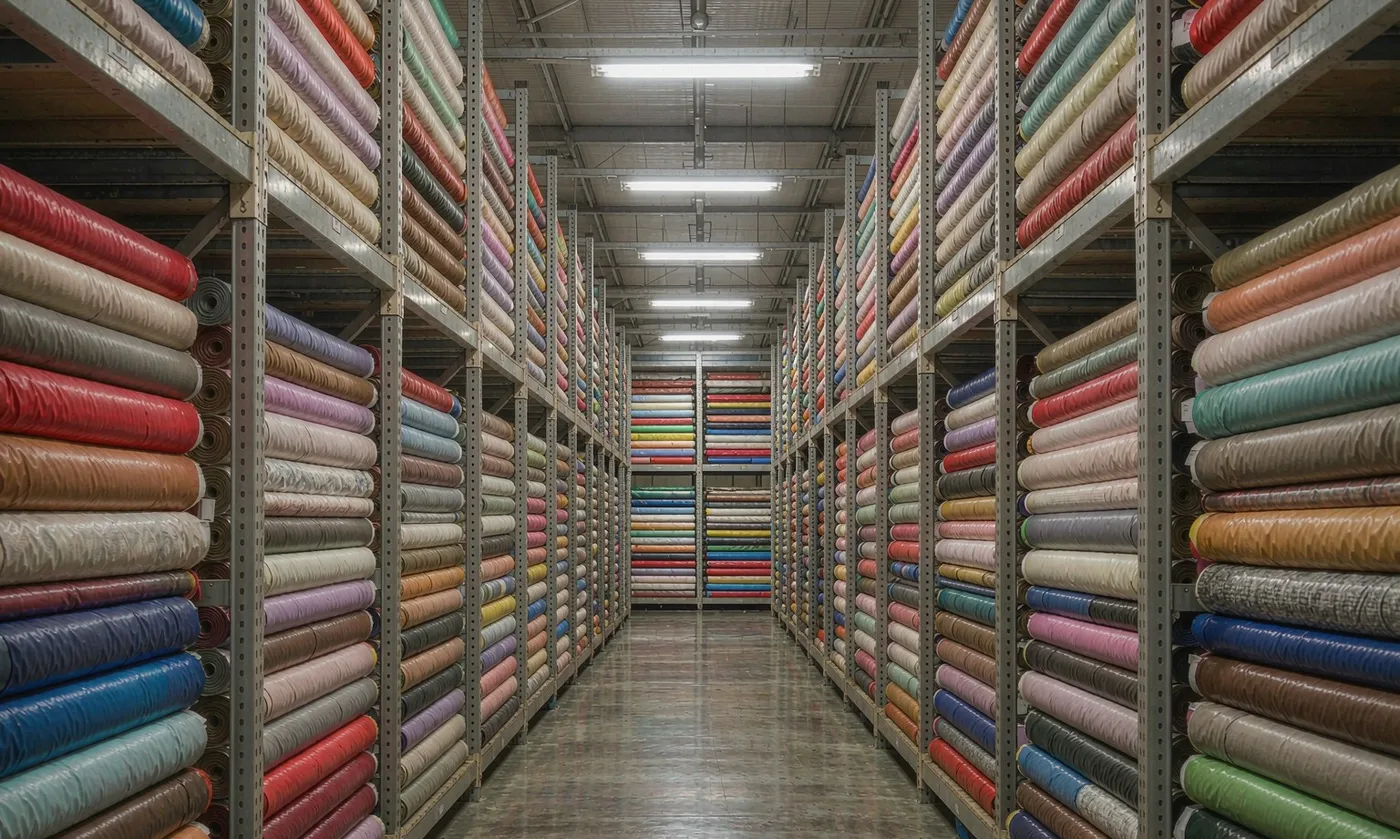
The first is the mill's production minimum. A woven fabric is made in lots, and a lot below a certain length is not economical to set up for. The length varies by fabric type and by mill, and it is measured in metres rather than in bags. A supplier buying for a single colourway has to buy that length whether the order needs it or not, and the same logic drives the material planning described under pet bag material requirements planning.
The second, and usually the harder one, is the dye minimum. Colour is applied in a dye bath or a printing run with its own minimum quantity, because below a certain volume the colour cannot be matched reliably or the setup cannot be justified. This is why colour is the variable that drives minimums far more than style does: a new colourway is a new dye lot, and a new size in an existing colourway is not.
The arithmetic is straightforward once the two figures are known. If a dye minimum is 900 metres and a style consumes 1.7 metres per unit including marker waste, the minimum imposes roughly 530 units. Round to production convenience and the per-colourway figure lands near 500. That is the origin of the number that appears on quotations, and it is not arbitrary, it is a division.
This also explains two things buyers find confusing. The first is why an extra colourway costs more than an extra size: the colourway carries a new dye lot and the size does not. The second is why a supplier will sometimes accept a lower quantity in an existing or stock colour: the lot already exists, so the constraint is absent.
Ask for the consumption figure per unit and the dye minimum in metres. A supplier who can state both is describing a real calculation; one who can only state the finished number has either never decomposed it or does not want to.
The dye bath is where most pet bag minimums are born, and it is measured in metres before it is measured in pieces.
Input Two: Changeover Time Converted Into Pieces
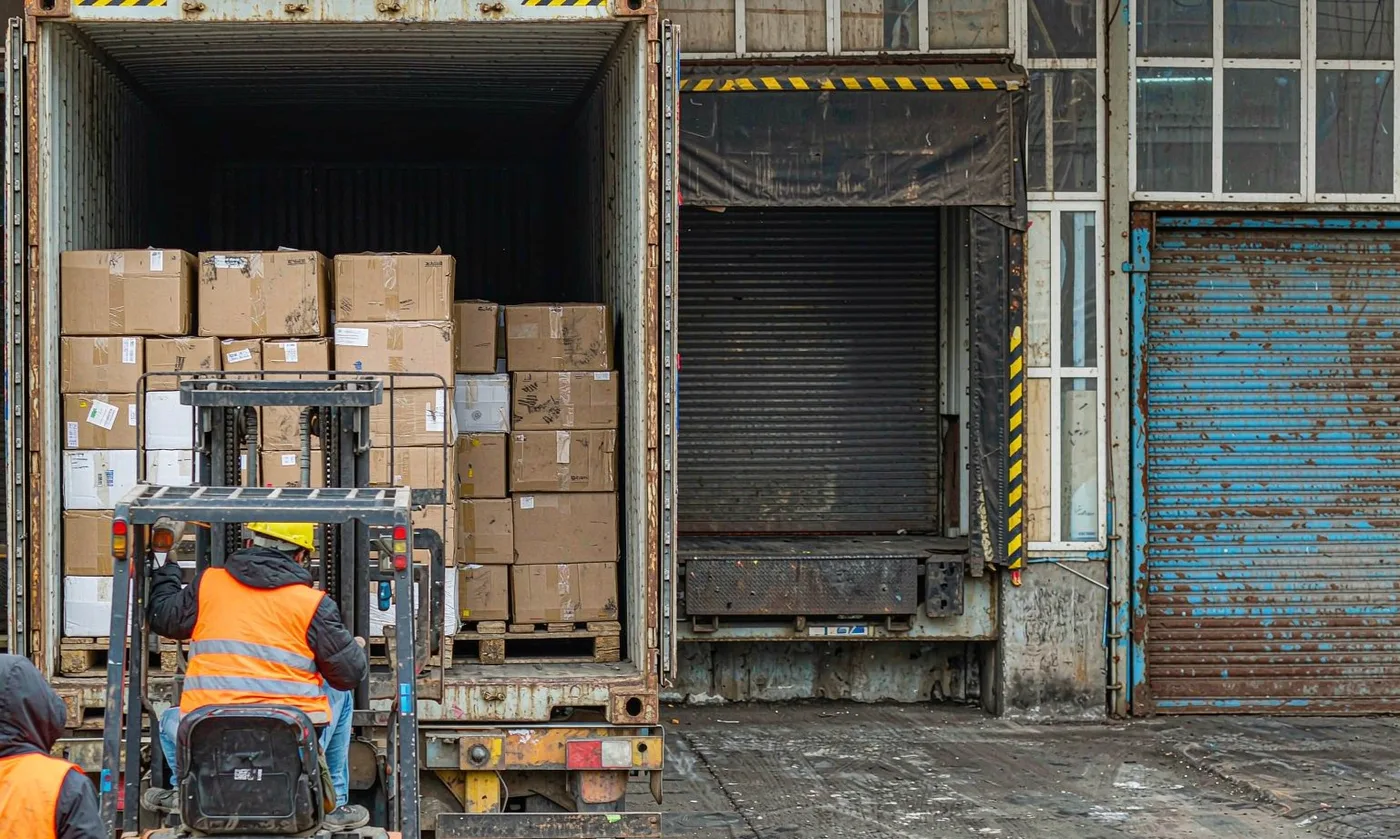
The second input is time, and it is the one most often overlooked because it does not appear on any material document. Every style change on a line costs setup time: new patterns, new thread, new hardware presentation at the station, new work instructions, and a period of reduced output while operators adjust.
The economics work as a conversion. If a changeover takes four hours and the line makes 130 pieces an hour at steady state, the changeover is worth roughly 520 pieces of output. Below that run length, the setup is a larger share of the job than the sewing is, and the unit cost reflects it. This is the second reason the per-colourway figure sits where it does, and it is independent of the fabric constraint.
The conversion explains several behaviours that buyers read as inflexibility. A supplier who prefers fewer styles at higher volume is not being difficult; they are amortising changeover across more units. A supplier who offers a better price for running two styles back to back is capturing the saving of a partial changeover, because the fabric presentation stays the same even though the pattern changes.
It also explains why a re-run of a small balance is expensive. Fifty extra pieces of a style that has already been run requires the full setup again, and the setup is identical whether the re-run is fifty pieces or five hundred. Buyers facing a shortfall should compare the cost of a re-run against the cost of carrying the shortfall into the next season, and the answer is usually the latter.
Ask what a changeover costs in hours and what the line's steady-state hourly output is. Those two numbers let a buyer compute the economic run length independently and check it against the quoted minimum, which is a useful test of whether the supplier has done this work.
Changeover is invisible on a quotation and decisive in it; every minimum contains a quantity of time converted into a quantity of bags.
Input Three: Trim Packages and Hardware Purchase Units
The third input is the least glamorous and the most often binding on smaller styles. Zippers, buckles, webbing, elastic, binding tape, labels and feet are purchased in package quantities set by their own manufacturers, and those quantities rarely align with a bag order.
A zipper supplier sells in boxed quantities, commonly in the hundreds for a single specification. A buckle supplier sells in bag quantities that are often multiples of 500 or 1,000. Woven labels carry their own minimum because the loom setup is fixed regardless of quantity. Each of these is a small cost individually and an awkward constraint collectively, because a run that uses 300 zippers leaves 200 in a box that may never be used.
| Component | Supplier package unit | Units per bag | Implied order quantity | Binding? |
|---|---|---|---|---|
| Shell fabric | Dye lot, ~900 m | 1.7 m per unit | ~530 | Yes, colourway |
| Lining fabric | Dye lot, ~600 m | 1.1 m per unit | ~545 | Yes, colourway |
| Main zipper | Box of 500 | 1 per unit | 500 | Yes |
| Buckles and adjusters | Bag of 1,000 | 2 per unit | 500 | Yes |
| Webbing | Roll of 200 m | 1.4 m per unit | ~143 | No |
| Woven brand label | Loom minimum 1,000 | 1 per unit | 1,000 | Sometimes |
| Care and origin label | Print minimum 500 | 1 per unit | 500 | No, cheap to overbuy |
The shape of that table is instructive. Several inputs cluster around 500, which is why the final figure lands there rather than at a rounder or tidier number: it is the highest of several similar constraints rather than an average of them. The woven label is the exception, and it is the item most often handled by overbuying, because labels are cheap to hold and expensive to set up.
Shared components break this constraint in the same way they break the consolidation one. Four styles using one zipper specification mean one box quantity per colourway rather than four, and the implied minimum collapses toward the fabric constraint alone.
Ask which trim items have package minimums above the intended order quantity. Those are the items that will appear as surcharges, and knowing them in advance is the difference between a negotiable surcharge and a surprise invoice. Pet bag wholesale suppliers who itemise trim minimums are easier to plan against than ones who fold them into a single figure.
Trim packages are small numbers that set large ones, and they are the easiest constraint to remove by designing a common component platform.
Input Four: Cutting Efficiency and Marker Length
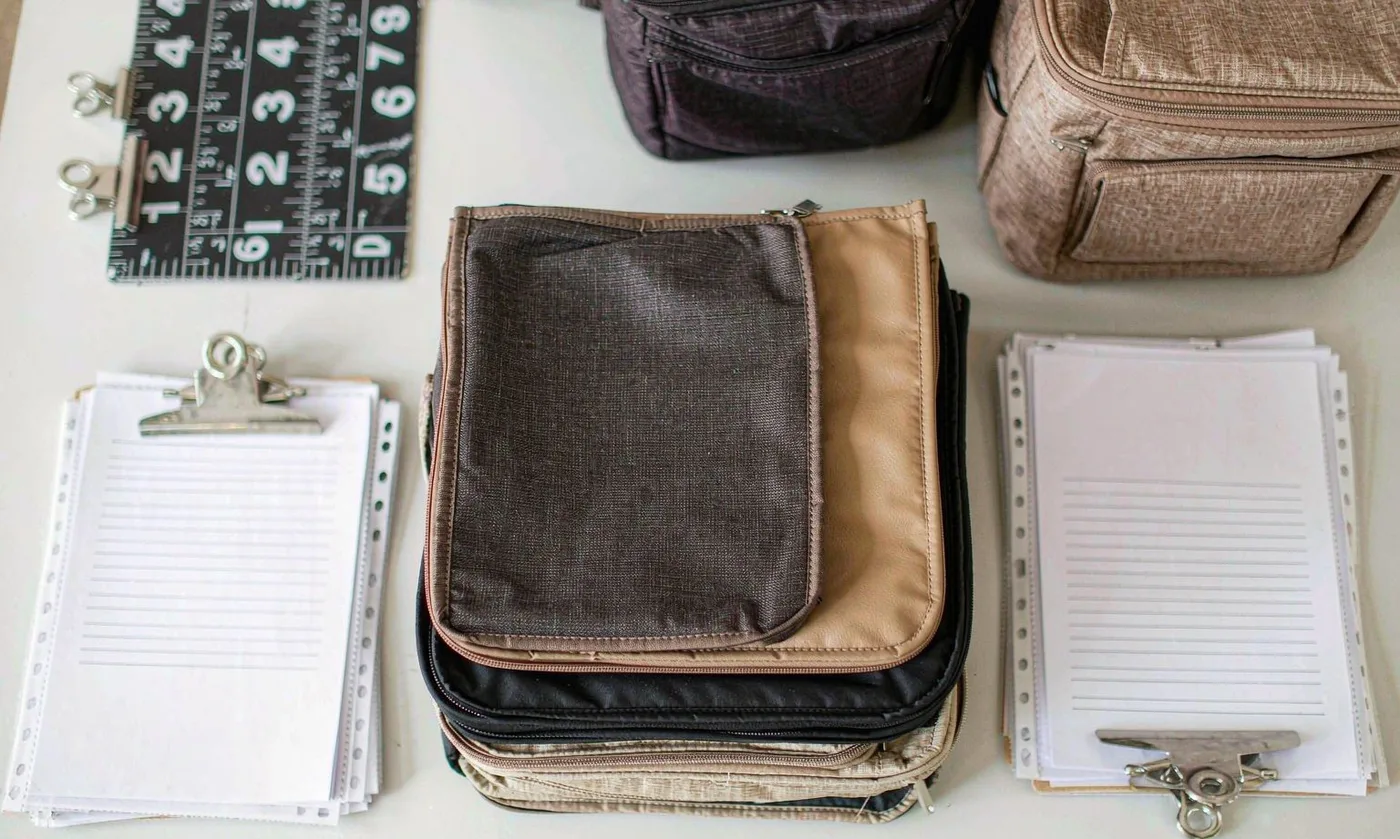
The fourth input is quieter than the other three and it explains why minimums differ between constructions of the same nominal size. Cutting efficiency is the share of purchased cloth that ends up in the product, and it depends on how many panels can be nested into a marker of a given length.
A simple panel layout nests efficiently at almost any length; a complex one with shaped panels, curved ventilation openings and directional fabric does not. Directional fabrics, meaning those with a pattern or a nap that must run one way, waste more, and a printed or patterned fabric adds a matching requirement that increases waste again. A style cut from plain 600D polyester nests better than the same style cut from a directional print, and its effective material minimum is lower.
Marker length matters because cutting tables and spreading equipment have practical limits. A marker that is too short wastes cloth at the ends and a marker that is very long requires a spreading operation that not every line is set up for. The practical result is that cutting is done in batches, and a batch below a certain size does not justify the spreading setup.
This is why a buyer asking for a small quantity of a complex style is asking for the worst case: high marker waste, a short spread, and a setup that has to be paid for once. It is also why suppliers sometimes quote a lower minimum for a simple construction than for a complex one, which buyers read as inconsistency and which is actually the arithmetic being visible for once.
Ask what the marker efficiency is for the style and whether the fabric is directional. Abrasion and tear behaviour of the candidate fabric can be compared against published methods from ASTM International, which is the fastest way to settle a fabric choice that looks identical on a swatch. A five-point difference in efficiency moves the material cost per unit by roughly the same percentage, and it is worth knowing before deciding between two fabric options that look identical on a swatch.
Cutting is where the design decisions made months earlier present their bill, and the bill is paid in minimum run length.
Style Minimum Versus Order Minimum: Why They Are Not the Same Number
Buyers frequently encounter two different minimum figures and assume one of them is wrong. A supplier quotes 500 per colourway and also states an order minimum of 1,500 pieces. Both are real and they measure different things.
The per-colourway figure is a material constraint, driven mostly by the dye lot. The order-level figure is a capacity and scheduling constraint: it is the smallest volume for which the supplier will book a line, allocate a planner and commit a slot. One is about what can be bought; the other is about what is worth scheduling.
They interact in a way that creates an interesting option. A buyer who wants three colourways of one style at 500 each satisfies both figures with a single order. A buyer who wants one style in one colourway at 800 satisfies the material constraint and fails the scheduling one, and will usually be offered a surcharge rather than a refusal, because the supplier can fill the slot with something else if compensated.
The reverse also occurs. A buyer ordering 2,000 pieces across four styles at 500 each satisfies the order minimum and fails the per-colourway one, and here the answer is firmer, because four dye lots at 500 each is four lots at the minimum rather than one at a comfortable size.
Ask which figure applies to what, and get both in writing on the quotation, since the two numbers behave differently when a range plan changes; the arithmetic behind both is set out under pet bag bulk order and minimum order. A quote stating only a per-colourway minimum leaves the order-level commitment undefined, and a quote stating only an order total leaves the colourway economics undefined. Both gaps surface as a conversation about surcharges later.
Two numbers, two different causes, and only one of them is about fabric; ask for both and the quotation stops being ambiguous.
What a Below-Minimum Request Actually Costs
Sometimes a below-minimum order is the right decision, particularly for a market test. Going into it with open eyes means understanding where the cost lands, because it does not disappear.
The first cost is the material balance, and pet bag wholesale vendors will state which of the three treatments applies if asked before the order rather than after it. The supplier buys the lot and holds the remainder, and that remainder is either charged to the buyer as a material surcharge, held against a future order of the same colour, or written into the unit price. Ask which, and if it is held, get the terms in writing: how long it is held, and what happens if the colour is discontinued.
The second is the setup charge, which is the honest way to handle a short run. Rather than inflating the unit price, a supplier quotes the setup separately and the buyer sees exactly what the shortfall costs. On a run of 300 against a 500 minimum, a setup surcharge spread across 300 pieces can add ten to fifteen percent to the unit cost, which is visible and arguably fair.
The third is the schedule effect, and it is the one buyers do not anticipate. Short runs are scheduled around full ones, because a planner optimising output will not give a prime slot to a job that does not fill it. A below-minimum order will often be quoted at the standard lead time and delivered at the end of it, or later.
The fourth is the inspection effect. A short run produces a small lot, and small lots under the sampling plans in ISO 2859-1 draw proportionally larger samples. The inspection cost per unit rises and the statistical confidence does not improve.
Where a below-minimum order is genuinely the right choice, the efficient version of it is a stock-colour, simple-construction test. Removing the dye-lot constraint and the cutting complexity removes most of the surcharge, and the buyer learns what they needed to learn about demand at a fraction of the cost.
A below-minimum order is a purchase of information, and it should be priced and scheduled as one rather than compared against a normal production run.
Negotiating a Minimum Without Weakening the Run
There are four legitimate ways to reduce a minimum, and one illegitimate one that nearly every buyer tries first. The illegitimate one is asking for a lower number with everything else unchanged, which asks the supplier to absorb a cost they have already explained.
The first legitimate lever is colour. Ordering in a stock or standard colour removes the dye-lot constraint entirely, which is the binding input in most cases. A buyer testing a style in black or navy can often order well below the custom-colour minimum and pay nothing extra.
Pet bag manufacturers in China face broadly similar mill terms, so the second lever is component commonality. Specifying a zipper, buckle and webbing that the supplier already buys in volume removes the trim package constraint, and it is invisible in the finished product if chosen deliberately. This is the lever with the best ratio of saving to compromise.
The third is consolidating across styles, which is the same lever that makes bulk pet bag orders economic in the first place and that any buying entity seeking to source pet bags from China across several formats should apply from the first range plan. Where several styles share a fabric colour, the dye lot is bought once and the constraint is satisfied collectively rather than style by style. This requires the styles to be ordered together, which is usually what a buyer wants anyway.
The fourth is committing to a re-order, and it is the lever most pet bag wholesale suppliers will accept readily because it solves their lot problem rather than their margin problem. A supplier offered a documented second order within a defined period can amortise the lot across both, and the minimum on the first becomes lower because it is not standing alone. This is the strongest lever available and it costs the buyer only a commitment they were likely to make.
What does not work is comparing minimums across suppliers and treating the lowest as a negotiating target. Pet bag manufacturers in China arrive at similar figures because they face similar mill terms, and pet bag wholesale vendors quoting materially lower have usually changed something in the specification rather than solved the arithmetic.
Reduce the cause, not the number, and the minimum moves without the run being weakened.
Building a Minimum Into the Range Plan Rather Than Around It
The practical synthesis is that the pet bag moq should be an input to range planning rather than an obstacle discovered at order stage. Three habits make that work.
Plan colourways as commitments, not as options. A range of four styles in two colourways is eight material commitments at the minimum, and that is the number to put in the budget before designing anything. Buyers who plan colourways as a finishing decision discover the cost after the samples are approved, which is the worst possible moment.
Decide the component platform before the patterns. One fabric family, one hardware finish and one zipper specification across the range is the single decision that does most to lower both the minimum and the pet bag wholesale price, and it has to be made before the patterns are drawn because it constrains them. Buyers who source pet bags from China with a fixed component platform consistently quote lower per style than those who decide components style by style.
Set the re-order trigger against the minimum rather than against stock alone, and record the pet bag wholesale price sensitivity to run length beside it, because the two determine whether a re-order is worth placing early. If a style sells 180 units a month and the per-colourway figure is 500, the re-order point is not when stock hits zero, it is when stock hits roughly three months of cover plus transit. Buyers who trigger on stock alone re-order at the minimum, pay the surcharge and then repeat the same cycle.
Record the decomposition. A one-line note stating the dye minimum, the consumption per unit and the changeover cost for each style is the fastest way to answer next season's question about why a style costs what it does, and it turns the minimum from a rule into a calculation that can be revisited when the specification changes.
The minimum is a property of the specification; change the specification and the minimum changes with it, which is the only reliable way to move it.
Why brands source here
- Pet bag programmes run since 2014; founding team in sewn goods since 2004
- SGS-verified production floor of 4,950 m² with 137 workers across 7 lines
- Monthly capacity of 200,000 units, audited to BSCI and ISO 9001
People Also Ask
How is a pet bag MOQ calculated?
From four inputs: the fabric dye-lot minimum divided by metres consumed per unit, the line changeover time converted into pieces of lost output, trim and hardware package sizes, and cutting marker efficiency. The highest of those constraints becomes the quoted figure.
Why is minimum order quantity per colourway rather than per style?
Because colour carries the dye lot. Each colourway is a separate dye bath or print run with its own minimum, while an additional size in an existing colourway shares the same lot and adds only pattern and cutting complexity.
Can I order below the minimum?
Yes, usually at a surcharge. The supplier buys the full material lot and holds the balance, and the setup is charged once regardless of run length. Expect ten to fifteen percent on the unit cost plus a less favourable production slot.
Why does an extra colourway cost more than an extra size?
An extra colourway is a new dye lot with its own minimum and its own position in the cutting schedule. An extra size shares the existing lot and adds a pattern and a cutting nest but no new material purchase.
What is the difference between a style minimum and an order minimum?
The style or colourway minimum is a material constraint set by the dye lot. The order minimum is a capacity constraint: the smallest volume for which a supplier will book a line and commit a slot. Both can apply at once.
How can I reduce a minimum without changing the design?
Use a stock colour, specify hardware and zippers the supplier already buys in volume, consolidate colourways across styles ordered together, or commit to a documented re-order within a defined period.
Frequently Asked Questions
What is a typical pet bag minimum order quantity?
Around 500 pieces per colourway for a soft-sided style, which is where the fabric dye-lot, trim package and changeover constraints typically converge. Structured or wheeled formats usually carry a higher figure because of additional component purchases.
Why do suppliers quote 500 rather than a round number?
Because it is the highest of several similar constraints rather than an average of them. A dye lot of roughly 900 metres at 1.7 metres per unit implies about 530, and trim packages cluster near the same figure.
Does a minimum change with construction complexity?
Yes. A style with shaped panels, directional fabric or a complex marker wastes more cloth per unit and needs a longer run to justify the spreading setup, so its effective material minimum is higher than a simple panel layout.
What is a dye lot minimum?
The smallest quantity of fabric a dye house will colour in one bath while still matching the reference reliably. It is measured in metres and it is usually the binding constraint behind a per-colourway minimum.
Why is a re-run of a small balance so expensive?
Because the setup is identical whether the re-run is fifty pieces or five hundred. The changeover cost is amortised over a much smaller number of units, which is why carrying a shortfall into the next season is usually cheaper.
How do shared components lower a minimum?
Four styles using one zipper specification need one box quantity per colourway instead of four, so the trim constraint collapses toward the fabric constraint alone, and the dye lot can be bought once across styles ordered together.
What should I ask a supplier about their minimum?
What produces it: the dye minimum in metres, consumption per unit, changeover time in hours, steady-state hourly output, and which trim items have package minimums above the order quantity.
Is a low minimum a sign of a flexible supplier?
Not necessarily. Similar mill terms produce similar figures, so a materially lower minimum usually means a stock colour presented as custom, a lighter specification, or a supplier who has not costed the constraint properly.
How does a minimum affect inspection?
A short run produces a small lot, and small lots draw proportionally larger samples under a standard sampling plan. Inspection cost per unit rises while statistical confidence does not improve.
Should the minimum shape the range plan?
Yes. Treat each colourway as a material commitment in the budget, decide the component platform before the patterns, and set the re-order trigger at roughly three months of cover plus transit rather than at zero stock.
What happens to leftover material from a short run?
It is charged as a material surcharge, held against a future order of the same colour, or written into the unit price. If it is held, get the holding period and the discontinuation terms in writing.
How does minimum volume relate to unit price?
Directly, through setup amortisation. At constant total volume, splitting across twice as many styles raises unit cost by a meaningful margin because the same changeover and lot costs are spread over fewer units per style.
Talk to QUANZHOU JUNYUAN BAGS about a wholesale pet bag order: MOQ 500 pieces per colourway, samples in 6-10 working days, bulk production in 35-50 days under AQL 2.5 inspection.
Get a free quote Request a sample