Pet Bag SEO: Search Optimization for Wholesale Pet Bags
Search optimization for a pet bag program means structuring pages so they match how buyers and owners actually search: category pages for generic volume, product pages for specific models, and comparison or sizing pages for the questions that drive selection. A range of 12 styles typically needs 20-35 indexable pages to cover one market's intent properly, and programmes that publish only product pages capture the smallest share of it.
Search is the cheapest sustained traffic source available to a pet bag program and the slowest to build, which makes it a decision to start early rather than a tactic to add later. Our production team runs programs at MOQ 500 pieces per colourway, with samples in 6-10 working days and bulk production in 35-50 days after approval, inspected to AQL 2.5 before release, and the same window is long enough to build the page set for a launch. Four elements carry the outcome: a correct intent map, an architecture that gives each intent one page, on-page structure written from the product record rather than invented, and technical foundations that let a crawler reach everything. Buyers who treat search as part of launch readiness get compounding traffic from the first season; buyers who treat it as a marketing project starting after launch typically wait two seasons for the same position. The practical version of this is unromantic: publish the product pages when the specification is approved, publish the sizing page when the first samples are measured, and publish the commercial pages before the first enquiry arrives. Each of those is a task of hours attached to a milestone that already exists, and none of them requires a decision that has not already been made.
Pet bag market trends point to two things a buyer can act on: lighter shells and stricter chemical files, both of which land on Market & Business Strategy. Pet carrier market size forecasts are useful for range planning but not for pricing, and pet bag market analysis should be read as a channel question rather than a volume promise.
What Search Optimization Means for a Pet Bag Program
Search optimization in this category is frequently misunderstood as writing more words about pet bags. It is closer to the opposite: it is the work of making sure that when someone searches for a specific thing in this category, the program has exactly one page that answers it, and that the page is reachable, fast and credible. Most programmes fail not because their content is thin but because three pages compete for the same query and none of them is clearly the answer.
The distinction matters because the remedies are different. Thin content is fixed by writing, which is cheap. Competing pages are fixed by architecture, which is structural and therefore resisted. A programme with twenty thin pages and a clean architecture outperforms a programme with twenty rich pages and no architecture, and the second programme's owners usually respond by commissioning more content, which makes it worse.
The second thing to understand is the time constant. Search visibility accrues over months, not weeks, and it does not respond to budget in the way paid channels do. A program that wants search traffic in its second season must publish in its first. This is the argument for including page build in launch readiness: the cost is a few days of work at a moment when the specification data is already in hand, and the benefit arrives during the following season when the alternative is paying for the same traffic at click prices.
Finally, search is where the product record pays off twice. Every field collected for the content record — dimensions, internal capacity, material specification, suitability — is a field that can answer a query. Programmes with a structured record can build pages that answer specific questions; programmes without one can only write general prose, and general prose ranks for the queries nobody types.
Intent Mapping: How Buyers Actually Search in This Category
Intent in this category splits into four recognisable groups, and each needs a different page type. Treating them as one group is the most common planning error.
Generic category intent is the highest-volume and least specific: a search for a pet bag, a pet travel bag or a wholesale pet bag. It is served by a category page that presents the range with clear filtering, because the searcher has not decided and wants to see options. This is the page that most programmes have and it is the only one many of them have.
Specific product intent names a type, a size or a material: a soft-sided pet bag for a small dog, a ventilated pet backpack, a waterproof pet travel bag. It is served by a product page or a tightly scoped collection page, and it converts well because the searcher has decided what they want. Product pages written from the specification — with material, dimensions and capacity stated — capture this intent; product pages written as brand copy do not.
Question intent is the largest missed opportunity. Searches about whether a bag fits a certain animal, whether a bag is accepted by an airline, how to measure a pet for a bag, and how to clean a specific material are asked constantly and answered badly. Each is a page, each is cheap to write from the product record, and each attracts a searcher who is close to buying and currently being served by a forum.
Commercial intent is the wholesale end: searches for a pet bag supplier, a pet bag manufacturer, bulk pet bags, minimum order quantity and lead time. Volume is far lower than the consumer end and value per visit is far higher. It is served by pages that state the commercial facts — MOQ, sampling time, production time, inspection standard, terms — because the searcher is qualifying a supplier, not browsing a range. Programmes that answer these questions plainly win enquiries that programmes hiding behind a contact form never see.
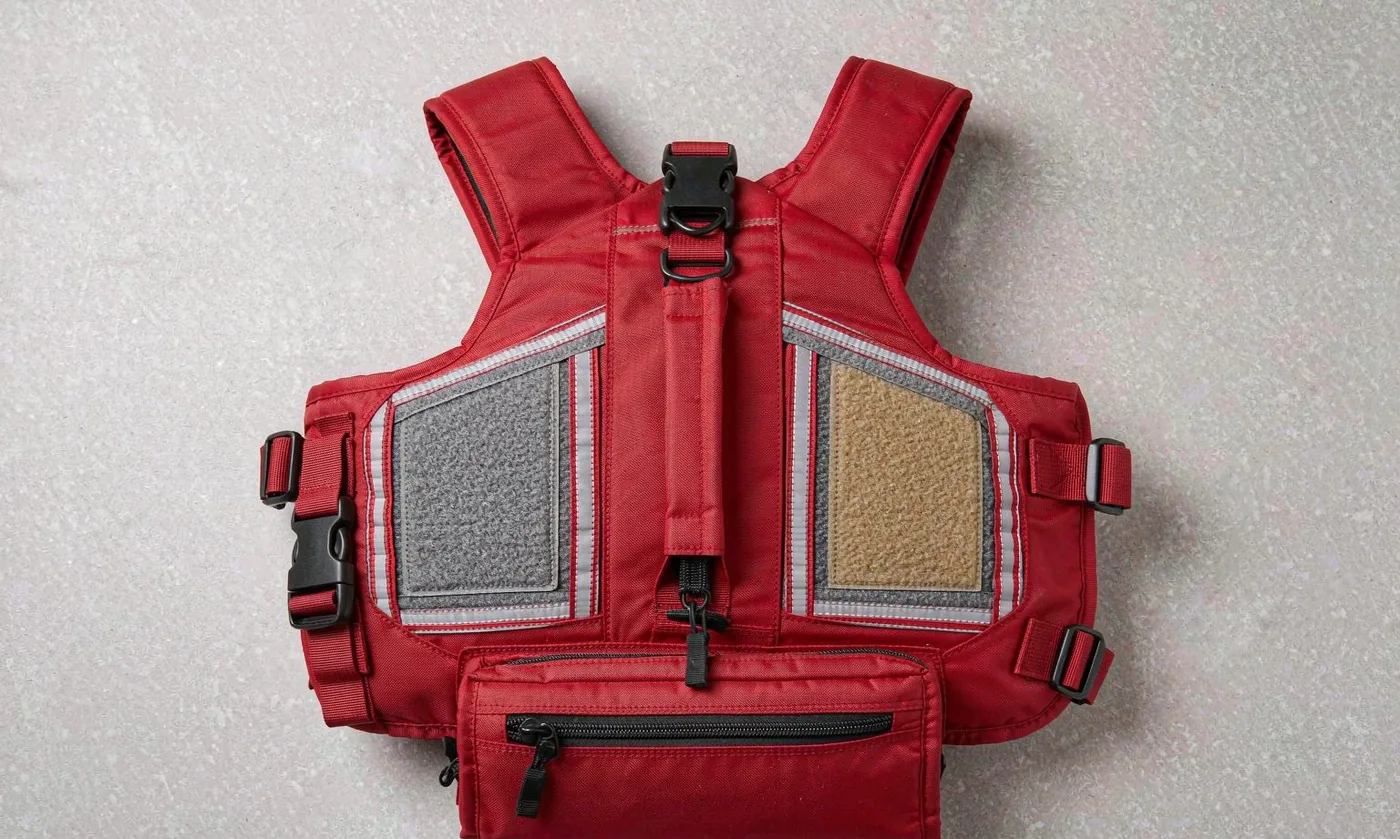
Why Question Intent Is Underserved
The reason question intent is underserved is organisational rather than technical. Product pages belong to whoever manages the catalogue, and question pages belong to whoever manages content, and in most pet bag businesses neither role exists clearly. The result is a catalogue with no supporting pages and a blog writing about pets rather than about buying decisions.
The fix is to generate the question list from customer service rather than from a keyword tool. Every pre-purchase question asked by email, chat or phone is a query somebody typed into a search engine first. Twenty such questions, answered properly and published, is a stronger and more durable asset than a year of general posts, and it can be assembled in an afternoon from the inbox.
Site Architecture for a Pet Bag Range
Architecture is the decision that determines whether a search engine can find a page and whether a visitor can reach it in two clicks. The rule that matters most is one intent, one page, with no overlaps and no orphans.
A workable structure for a pet bag range has three levels. The first is a category level covering the principal types the range offers — travel, backpack, tote, sling, wheeled — each with a page that presents the range beneath it and carries a short explanatory introduction. The second is a product level with one page per sellable style, with colourway variants handled as options on that page rather than as separate pages, because separate colourway pages compete with each other and split whatever authority either would have had. The third is a support level holding sizing guides, material care, comparison pages and buying questions.
Variant handling is where most programmes go wrong, and the pet bag category is particularly prone to it because colourways are numerous. Twelve styles in five colours is sixty potential pages and twelve correct ones. Consolidating colour onto the style page concentrates authority, keeps the page current when a colour is discontinued, and matches how a customer thinks about the decision: they choose the bag, then the colour.
Internal linking is the mechanism that makes the structure visible. Every support page should link to the relevant category or product pages, and every product page should link to the sizing and care pages that apply to it. This is not primarily a search tactic; it is how a visitor who arrived on a sizing guide ends up on a product page, and it is the reason support pages have commercial value rather than merely informational value.
On-Page Elements That Carry the Ranking
On-page work in this category is unglamorous and effective. Six elements do most of the work, and each has a failure mode worth naming.
The page title is the first and it is routinely wasted on brand names nobody searches. A title should describe the article in the terms a searcher uses, with the type, the distinguishing attribute and the brand. Type plus attribute is what earns the click; brand alone is what a marketing department prefers and what nobody searches.
The short description shown in results is the second, and it is the only copy most searchers read before deciding. It should state the concrete facts — size range, material, capacity — because concrete facts are what differentiate one result from another in a list of similar results.
The heading structure is the third and it should describe the page rather than announce the brand. One primary heading naming the article or topic, secondary headings naming the sections a reader would look for, and no decorative headings in between.
Body content is the fourth, and its job is completeness rather than length. A product page that states dimensions, internal dimensions, material, hardware, capacity guidance, care and what is included will outrank a longer page that states none of them, because the shorter page answers the question and the longer one does not.
Image description text is the fifth and it is the most consistently skipped element in the category. Descriptive text on images is both an accessibility requirement and a source of visibility in image results, which in a visual category is a meaningful share of traffic. Naming files descriptively and writing real descriptions costs an afternoon for a whole range.
Page addresses are the sixth: short, readable, descriptive and stable. Changing an address after a page has earned visibility discards that visibility, which is why the structure should be settled before launch rather than optimised afterwards.
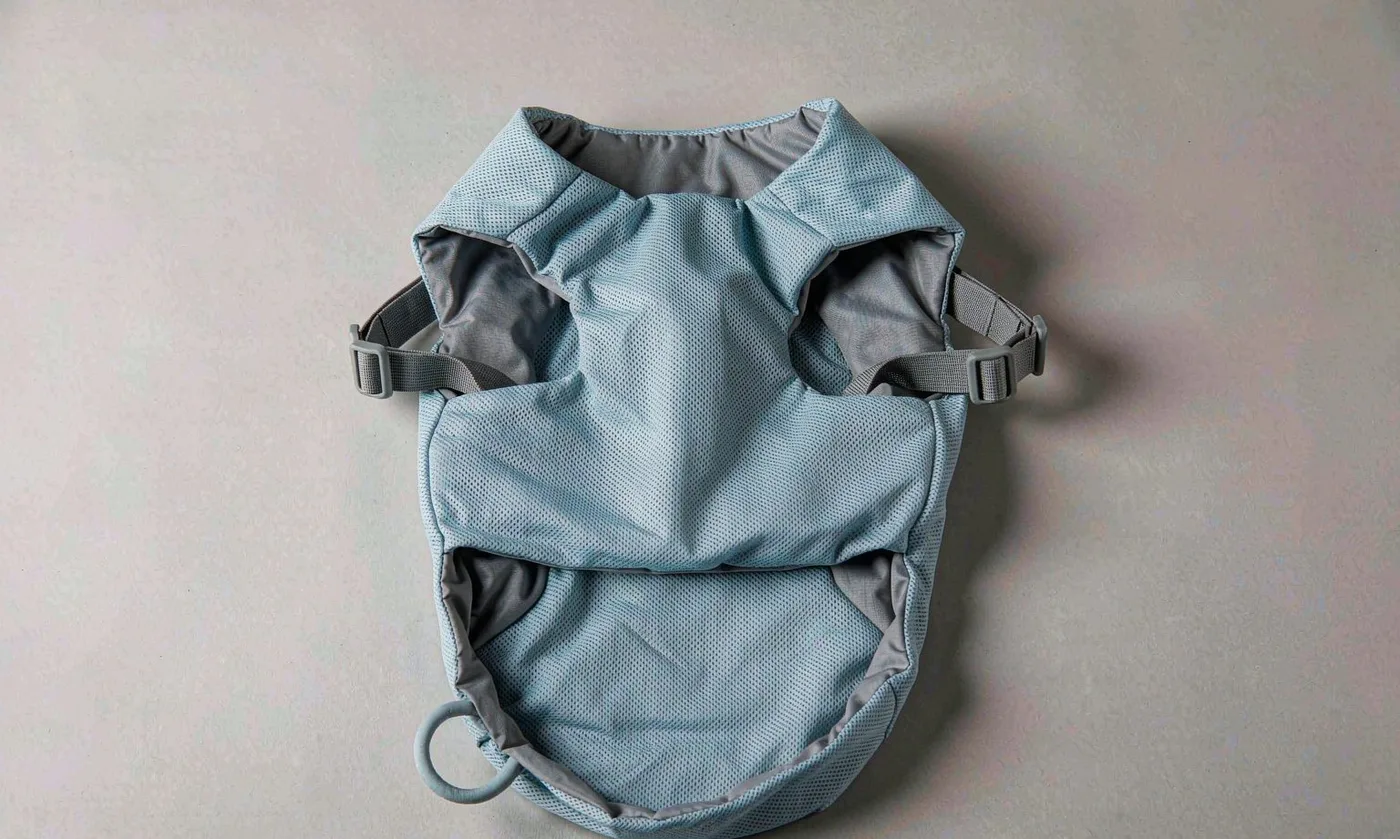
Technical Foundations: Crawl, Speed and Structured Data
Technical foundations do not win rankings on their own and they lose them reliably when neglected. Three checks cover most of the risk for a pet bag site of any realistic size.
Crawlability is the first. A search engine must be able to reach every page that should be indexed and must be told which pages should not be. Filtering and faceted navigation is the usual culprit: a range with five filters can generate thousands of combinations, each a potential address, and a crawler can spend its entire budget on combinations rather than products. The standard control is to allow the canonical product and category pages, disallow parameter combinations that do not change the product set, and keep the instruction file current as filters are added.
Speed is the second and it is mostly an image problem in this category. Pet bag pages are image-heavy, and uncompressed images are the dominant cause of slow pages on small programmes. Serving appropriately sized images in a modern format, and loading below-the-fold images only when needed, addresses the majority of it without a development project.
Structured data is the third and it is the highest-return technical item for a product catalogue. Marking up product information — name, identifier, price, availability, and review or rating data where genuinely present — lets a search engine interpret the page rather than guess, and it is what enables richer presentation in results. It is also where accuracy matters: structured data describing a product as available when it is not, or carrying a rating the programme does not actually have, is a compliance problem as much as a technical one.
Claims made in page content carry the same obligation as claims anywhere else. A statement about material safety should reference a recognised scheme such as OEKO-TEX rather than rest on assertion, and consumer safety statements in the United States sit within the remit of the Consumer Product Safety Commission. Programmes that keep substantiation alongside the page are protected when a claim is questioned; programmes that write first and verify later are not.
Content Depth and the Sizing Question
If a pet bag programme publishes one support page, it should be a sizing page, because sizing is the question the category answers worst and the question that most directly determines whether a purchase succeeds.
A useful sizing page does three things. It states how the programme measures — external, internal, opening — so the numbers mean something. It gives a method for measuring an animal: length from chest to base of tail, height from floor to shoulder, weight, and the note that build matters as much as weight. And it maps the range against those measurements in a table, so a reader can find their row and see which styles fit.
The mapping table is the part that requires real work and the part that produces the value, because it converts general advice into a specific recommendation. It also needs maintaining: when a style changes or a new one is added, the table must be updated in the same release, which is another argument for the versioned content record.
Beyond sizing, the second support page worth building is a material page explaining what each fabric in the range does, how it behaves and how it is cleaned. It serves pre-purchase questions, it reduces returns driven by expectation mismatch, and it gives the range a vocabulary that makes product pages shorter rather than longer. The third is a use-case page covering travel, air travel, hiking and daily use, each with the relevant constraints — and any statement about air travel should be written as guidance to check with the carrier rather than as a guarantee, since the rules are the carrier's and they change.
Depth should be driven by coverage rather than word count. A page that answers one question completely outperforms a page that touches four questions partially, and the programme is better served by ten complete pages than by thirty partial ones. This is also the safest posture against the near-duplicate problem: pages generated from a template with the product name swapped in are the pages that fail, and pages written from each product's actual specification are the ones that do not.

Measuring Search Performance in Wholesale and Retail
Measurement differs materially between the wholesale and retail sides of a pet bag programme, and applying retail metrics to wholesale search produces the wrong decisions. The table below sets out the practical split.
| Dimension | Retail / DTC search | Wholesale / sourcing search |
|---|---|---|
| Primary metric | Revenue per session | Qualified enquiry per 100 sessions |
| Volume | High | Low |
| Value per visit | Low to moderate | High |
| Time to result | Same session | Weeks to months, multi-visit |
| Content that works | Product and sizing pages | Specification, MOQ, lead time and process pages |
| Common error | Optimising for traffic instead of revenue | Optimising for traffic instead of enquiry quality |
The wholesale column deserves emphasis because it is the one buyers in this category actually operate. A page that attracts two hundred visits a month and generates three qualified enquiries is more valuable than a page attracting two thousand visits and generating none, yet the second page looks better on every dashboard that reports sessions. Programmes should track enquiry quality explicitly — whether the visitor is in the right market, has the right volume and is asking about the right product class — and should be willing to delete pages that attract volume without quality.
Attribution is the second measurement problem. A wholesale enquiry rarely converts in one session; the visitor reads a specification page, returns a week later, checks a lead time page and then contacts. Single-session attribution credits the last page and undervalues the others, which leads programmes to cut the pages that actually did the work. A simple self-reported source question on the enquiry form is more useful here than any analytics configuration.
The third point is patience with the right expectation. Search visibility for a new domain or a new section typically takes several months to stabilise, and judging a page set after six weeks produces false negatives. The sensible review cadence is quarterly, aligned to the range review, with the understanding that pages are assets that appreciate rather than campaigns that expire.
Common SEO Mistakes in Pet Bag Programs
Six mistakes account for most underperformance in this category, and all of them are structural rather than technical.
The first is separate pages per colourway, which splits authority across near-identical pages and creates a maintenance burden when a colour is dropped. The second is publishing product pages before the specification is final, which means the page carries provisional dimensions that are never corrected. The third is treating the range as one category and never building the type-level pages, so the programme has no page matching any search that names a type.
The fourth is thin pages generated from a template, which is the fastest route to a near-duplicate problem across a whole catalogue. The fifth is ignoring question intent entirely, which concedes the highest-converting queries in the category to forums and marketplaces. The sixth is changing page addresses during a redesign without redirects, which discards accumulated visibility and is the most expensive avoidable error on the list.
The common thread is that these are decisions made at launch and paid for afterwards. Search is unusual among marketing channels in that the majority of the outcome is determined by architecture and data discipline rather than by ongoing spend, which is why it belongs in the sourcing conversation alongside packaging and content. A programme that builds the right page set from a complete product record, once, spends the following seasons collecting the benefit rather than rebuilding the foundation.
The corollary is that search work should be reviewed at the same cadence as the range, not as a separate project. When a style is added, its page and its row in the sizing table are part of the same release. When a style is discontinued, its page is redirected rather than deleted, so that whatever visibility it earned passes to the closest live alternative. Two rules, applied at every range review, keep a catalogue healthy for years without a dedicated effort — which is the realistic goal, because very few pet bag programmes can justify ongoing search work as a line item and all of them can absorb an extra hour at each range review.
Order and quality terms
- MOQ 500 pieces per colourway; samples in 6-10 working days
- Bulk production 35-50 days after approval; AQL 2.5 inspection standard
- T/T 30/70 terms, FOB Xiamen, full document set per shipment
People Also Ask
What is SEO for a pet bag program?
Aligning site architecture, page content and technical foundations with the queries buyers and owners actually use in this category.
Why does my pet bag site get traffic but no enquiries?
Usually because the pages attract volume rather than qualified visitors. Track enquiry quality rather than sessions.
Should product pages be built before the specification is final?
No. Provisional dimensions published at that stage are rarely corrected and mislead customers for a whole season.
How do I handle many colourways on one style?
Consolidate them as options on a single style page to concentrate authority and simplify maintenance.
What is intent mapping?
Grouping searches into generic, specific, question and commercial intent, and giving each group the page type that answers it.
Do I need separate pages for wholesale and retail?
Yes. Wholesale visitors want MOQ, lead time, terms and process; retail visitors want sizing, materials and product detail.
Frequently Asked Questions
How many pages does a pet bag range need for search?
Typically 20-35 for one market: category pages per type, one product page per style, and support pages for sizing, materials, use cases and buying questions.
Should each colourway have its own page?
No. Colourways should be options on the style page, because separate pages compete with each other and split authority.
What is the highest-value support page to build first?
A sizing page: how the programme measures, how to measure an animal, and a table mapping the range against those measurements.
How long does search visibility take?
Several months to stabilise for a new section. Review quarterly rather than after six weeks, since early data produces false negatives.
What metric matters for wholesale search pages?
Qualified enquiries per hundred sessions, not sessions. Low-volume pages generating good enquiries beat high-volume pages generating none.
Does faceted navigation hurt a pet bag site?
It can, by exhausting crawl budget on filter combinations. Allow canonical product and category pages and disallow combinations that do not change the product set.
Is structured data worth adding?
Yes, it is the highest-return technical item for a catalogue, provided the data is accurate about availability and ratings.
What is the biggest technical cause of slow pages?
Uncompressed, oversized imagery. Appropriately sized images in a modern format fix most of it without a development project.
Should air travel suitability be stated as a guarantee?
No. Write it as guidance to confirm with the carrier, because the rules are the carrier's and they change.
Do product page word counts matter?
Coverage matters more than length. A page stating dimensions, materials, capacity and care outranks a longer page stating none of them.
What happens if page addresses change?
Accumulated visibility is discarded unless redirects are in place. Settle the structure before launch.
Where should question topics come from?
From customer service. Pre-purchase questions are queries somebody typed into a search engine first.
Talk to QUANZHOU JUNYUAN BAGS about a wholesale pet bag order: MOQ 500 pieces per colourway, samples in 6-10 working days, bulk production in 35-50 days under AQL 2.5 inspection.
Get a free quote Request a sample