Pet Fall Bag: Autumn Style Assortment Specs
An autumn pet bag program should specify a textured or heavier shell in the 600D-900D range, a water-resistant finish rated for sustained drizzle, and shade tolerance of Delta E 1.0 or tighter across dye lots because fall palettes are built on muted earth tones that show variation badly. Plan three colorways maximum per style at MOQ 500 pieces each. Bulk production takes 35-50 days, so the autumn slot must close by early June for an August shelf set.
This note is for buyers assembling an autumn or fall pet bag assortment, where the commercial drivers are texture, palette and weather performance rather than thermal insulation. Fall programs sit between the lightweight spring build and the insulated winter build, and they are frequently the highest-margin season because shoppers buy on appearance and the window is long enough to reorder. Standard trading terms are MOQ 500 pieces per color per style, samples in 6-10 working days from tech pack sign-off, bulk production in 35-50 days from deposit, inspection to AQL 2.5 with a shade-consistency and water-resistance gate, payment T/T 30/70 and quotation FOB Xiamen. Our production team develops seasonal colour programs at the SGS-verified production base, with shade control managed through approved lab dips and the quality system audited to ISO 9001 alongside BSCI social compliance. The sections below cover assortment logic, fabric and texture, weather performance, dye-lot control, cost, inspection, the delivery calendar and merchandising.
Wholesale pet carrier vet visits and wholesale pet carrier grooming lines are small-basket, high-repeat business, while Pet Bag Types & Styles decides whether one shell can serve both. Wholesale pet carrier travel and wholesale pet carrier camping units need opposite vent geometry, so a single pattern rarely covers both.
Autumn Assortment: Colour, Texture and Seasonal Shelf Life
Autumn is the season where appearance does the selling. Unlike winter, where a measurable insulation figure carries the pitch, or summer, where mesh area does, fall pet bags sell on texture and palette. Buyers who understand this allocate their budget toward fabric hand and colour development rather than toward construction features that will not be noticed at shelf.
The autumn palette in this category is stable across markets: rust, ochre, olive, deep teal, chestnut and warm greys. These tones read as seasonal without being costume-like, and critically they hide the mud and leaf stains that dominate real autumn use. A buyer selecting a fall palette is making a practical decision as much as an aesthetic one, and should say so in the assortment rationale.
Texture is the second lever. Canvas, cotton-blend twill, brushed polyester and subtle herringbone weaves all read as autumnal in a way that flat-coated nylon does not. Texture also photographs well in lifestyle imagery, which matters increasingly as a share of pet bag purchases move online and the product has to communicate warmth through a screen.
- Core autumn palette: rust, ochre, olive, deep teal, chestnut, warm grey.
- Muted earth tones hide mud and leaf staining better than light shades.
- Textured weaves read as seasonal and photograph better than flat coatings.
- Appearance budget should outweigh construction budget in this season.
- Keep the palette narrow enough to control dye-lot variation.
Shelf life is the planning variable that distinguishes fall from winter. An autumn assortment typically sells from late August through November, a window of roughly twelve to fourteen weeks, which is long enough to support a mid-season reorder and forgiving enough that a two-week delay is not fatal. Buyers should plan for one reorder rather than treating the season as a single drop.
The risk in autumn is over-assorting. Because the palette is attractive and the window is comfortable, distributors routinely commit to five or six colorways and end the season with three slow movers. Three colorways per style, with one reserved reorder slot, is the structure that consistently clears.
Finally, autumn assortments should be planned in relation to the winter program rather than independently. The fall palette and the winter palette sit adjacent on the same shelf, and a distributor who runs both should check that the two do not cannibalise each other through near-identical shades.
Fabric and Texture Selection for Fall Programs
Fall fabric selection balances two requirements: the hand and appearance that sell the season, and the weather performance that autumn actually demands. Cotton canvas and cotton-blend twill deliver the best appearance and are the default for premium fall programs, but they absorb water and stain unless treated, and they are heavier than synthetics by 100-200 grams on a comparable build.
Brushed polyester and polyester-cotton blends are the practical mid-tier answer. They deliver a soft hand and a matte appearance that reads as autumnal, they dry faster than pure cotton, and they accept a durable water-repellent finish without the stiffness that a heavy coating produces. For most distributors this is the correct resolution of the trade-off.
Heavier denier synthetics work where weather performance dominates. A 900D oxford with a matte PU finish has a technical appearance that suits outdoor and sporting channels, and it resists the abrasion of wet leaves, gravel and grit far better than a canvas of the same weight. It reads less warmly on a shelf, which is why it belongs in outdoor channels rather than in gift or boutique pet retail.
| Fabric option | Hand and appearance | Water behaviour | Weight impact | Best channel |
|---|---|---|---|---|
| Cotton canvas 12 oz | Best, warmest | Absorbs, needs treatment | +150-250 g | Boutique, gift |
| Poly-cotton twill | Good, matte | Moderate, treatable | +80-150 g | Specialty pet |
| Brushed polyester | Good, soft | Good with DWR | +40-90 g | Mid-tier retail |
| 900D matte oxford | Technical | Excellent | +120-200 g | Outdoor, sporting |
| 600D standard oxford | Neutral | Good | Baseline | Value programs |
Finish selection matters as much as fabric. A durable water-repellent finish should be specified by spray-test rating and by durability to washing, because a finish that performs on day one and disappears after two washes produces a product complaint in week six of a fourteen-week season. Buyers should require both numbers.
Trim and hardware should follow the fabric rather than fight it. Antique brass and matte black finishes suit autumn palettes; bright chrome and glossy plastic do not. This is a low-cost decision with an outsized effect on whether a fall assortment looks intentional.
Weather Reality: Rain, Mud and Damp-Storage Performance
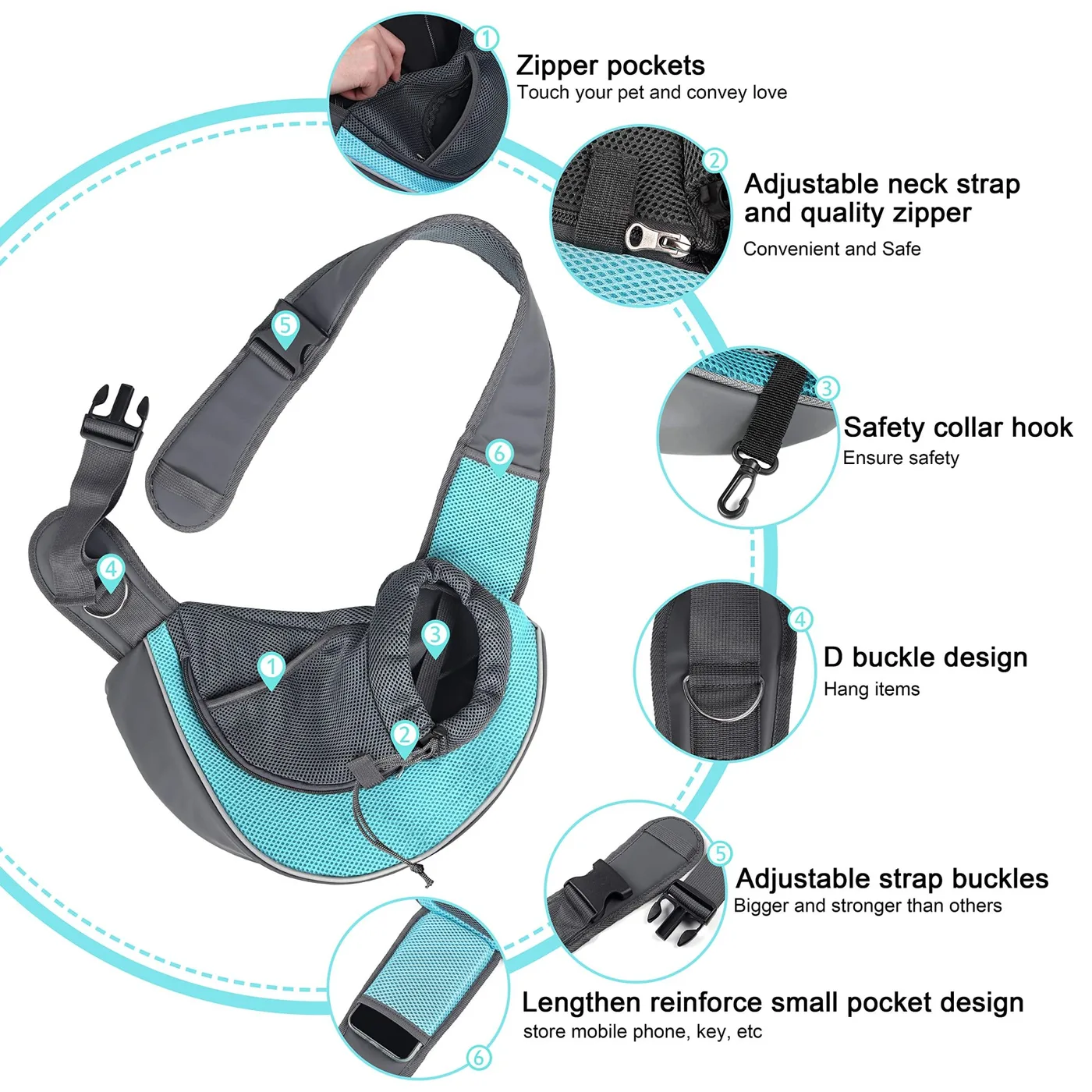
Autumn use is wetter than buyers plan for. Rain, wet leaves, mud and damp storage between walks define the season, and a bag specified only for appearance will generate returns within weeks. Three performance requirements cover the reality: a water-resistant shell, a base that resists standing water, and an interior that dries quickly.
Shell water resistance should be specified by spray test and by hydrostatic head rather than by the word water-resistant. A spray-test rating of 90 or better and a hydrostatic head appropriate to sustained drizzle give a factory a target and give an inspector a check. Bags intended for genuine wet-weather use should also specify taped or covered main seams, because an untreated seam is the first place water enters.
Base performance is routinely ignored and routinely fails. A bag set down on wet ground wicks water through the base fabric and into the interior within minutes. A coated base panel, or a base fabric with a higher hydrostatic rating than the shell, removes the failure for a small material cost. Buyers should also consider a slight base raise through moulded feet, which keeps the panel off standing water entirely.
Interior dry-down closes the loop. Even a well-specified shell will admit some moisture, so the lining should be quick-dry and the cavity should vent high on the panel so it can dry between uses. A bag that stays damp becomes an odor complaint, and in autumn those complaints arrive faster than most distributors expect.
- Specify spray-test rating and hydrostatic head, never the word water-resistant alone.
- Coat or upgrade the base panel; add moulded feet where the budget allows.
- Use a quick-dry lining and high-placed venting on the main cavity.
- Tape or cover main seams on wet-weather programs.
- Verify dry-down time in the sample stage, not after the first shipment.
Colour Fastness and Shade Consistency Across Dye Lots
Fall palettes are unforgiving on shade. Muted earth tones are blends of several dyes, and small variations in dye uptake or in finishing temperature show visibly as a different colour on the shelf. A rust that runs slightly orange or an olive that runs slightly grey will be noticed immediately when two units sit side by side in a retail fixture.
The control is a lab dip approval process plus a stated shade tolerance. Buyers should approve a lab dip for each colorway before bulk, retain it as the reference, and specify a tolerance in Delta E terms, typically 1.0 or tighter for fall palettes. They should also require that all units in a single shipment come from the same dye lot wherever order size allows, because the most visible shade complaints come from mixing lots within one shipment.
Colour fastness testing should cover the risks autumn actually presents: fastness to rubbing, because damp bags rub against car seats and clothing; fastness to light, because autumn sun is lower and often brighter on a bag carried outdoors; and fastness to water, because a wet bag that bleeds colour onto a surface is an immediate return. Recognised textile procedures published by AATCC textile test methods give buyers a neutral reference for all three.
Textured and coated fabrics complicate shade control, because the surface finish changes perceived colour independently of the dye. A matte finish reads darker than a glossy one at the same dye concentration, so the lab dip must be prepared on the finished fabric with the final coating applied rather than on greige goods.
Buyers should also plan for the reorder shade problem. A reorder placed eight weeks after the first shipment will come from a new dye lot, and matching it exactly is difficult. Approving the reorder against the retained lab dip, and accepting a tolerance rather than demanding perfection, is the practical approach.
Buyers should also require that the shade reference travels with the order rather than staying with the buyer. A retained lab dip held at the production base, alongside the golden sample, lets the line supervisor compare each batch without waiting for a courier exchange. That single procedural change shortens shade disputes from weeks to days and is one of the cheapest controls available in a seasonal program.
Cost and MOQ Considerations for Seasonal Colourways
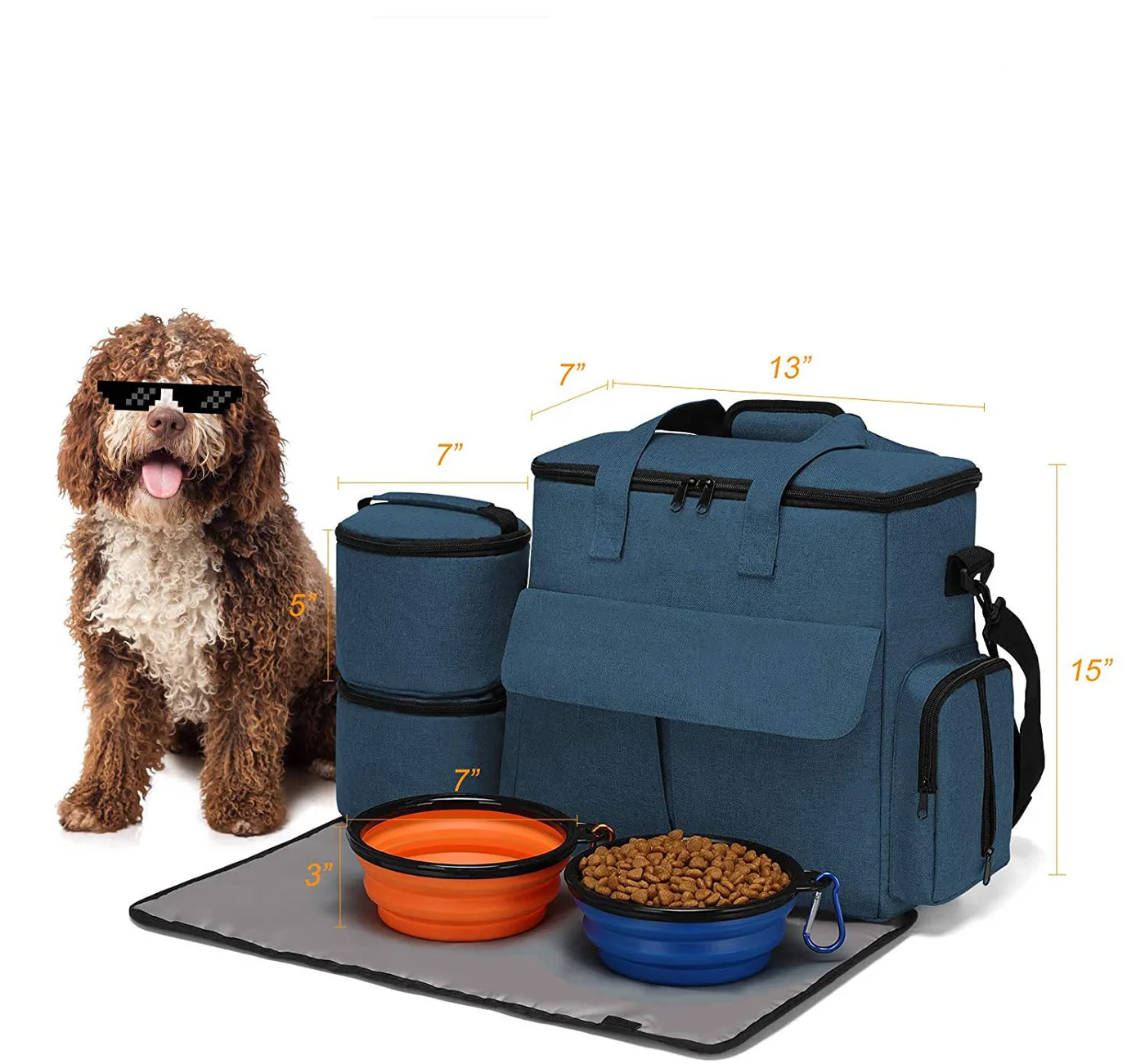
Seasonal colourways cost more than core colours for a straightforward reason: they are produced in smaller dye lots. A mill will charge a premium for a 500-metre lot against a 5,000-metre lot, and that premium flows directly into unit cost. On a 30-litre build quoted FOB Xiamen, a seasonal colorway typically adds USD 0.20-0.55 per unit over a core colour on the same fabric.
The MOQ of 500 pieces per color per style interacts with this directly. Because each colorway is a separate dye lot, running five colors means five lots at 500 pieces each, whereas running two colors at 1,250 each halves the number of lots and reduces per-unit fabric cost. Distributors should weigh the merchandising benefit of a wide palette against the measurable cost of fragmented dye lots.
Texture adds cost independently of colour. Canvas and brushed fabrics cost more per metre than standard oxford, and textured weaves may carry a minimum order quantity at the mill that exceeds the garment requirement. Buyers should confirm fabric minimums at quotation, because a mill minimum of 1,500 metres can force a larger commitment than the bag order justifies.
- Seasonal colorway premium: USD 0.20-0.55 per unit over a core colour.
- Fewer, larger dye lots cost less than many small ones.
- Confirm mill fabric minimums before committing to a textured weave.
- Plan the reorder as part of the original lot where volume allows.
- Budget for lab dip and shade approval time, not only for production.
Pricing should reflect the season. Autumn pet bags typically carry a 10-18% premium over a core equivalent, supported by texture and palette rather than by construction. That premium is defensible at shelf in a way that a construction-based premium often is not, because the shopper can see and feel the difference.
Inspection Criteria for Textured and Coated Shells
Textured and coated shells fail differently from flat synthetics, and inspection criteria should be adjusted accordingly. Visual and workmanship defects run to AQL 2.5 as standard, but the defect list has to be expanded for this construction to include coating unevenness, texture direction mismatch between panels, shade deviation beyond tolerance and finish marks from handling.
Coating unevenness is the most common issue. A matte or brushed finish applied unevenly produces panels that read as different colours under retail lighting, and the effect is invisible under factory lighting but obvious in a store. Inspection should therefore include a lighting check under conditions closer to retail, and a defined sample should be examined as an assembled bag rather than panel by panel.
Texture direction is the second. On a twill or herringbone weave, panels cut at slightly different angles produce a mismatched appearance that reads as a defect. A directional cutting requirement in the tech pack, verified at inspection, prevents the issue almost entirely.
Functional gates follow the weather requirements. Spray-test verification on a defined sample, seam coverage where taped seams are specified, and a dry-down check on the interior all belong in a zero-tolerance gate rather than in the percentage table. Buyers should state these separately in the purchase order so that a supplier does not fold them into AQL 2.5 and pass a shipment on percentages.
Chemical documentation should travel with the shipment. Fabric and coating documentation against restricted-substance requirements is standard for EU-bound programs, and independent textile certification such as OEKO-TEX testing for harmful substances is the fastest way to satisfy a retail compliance desk without commissioning a separate laboratory round for every colorway.
Delivery Calendar for an Autumn Sell-In Window
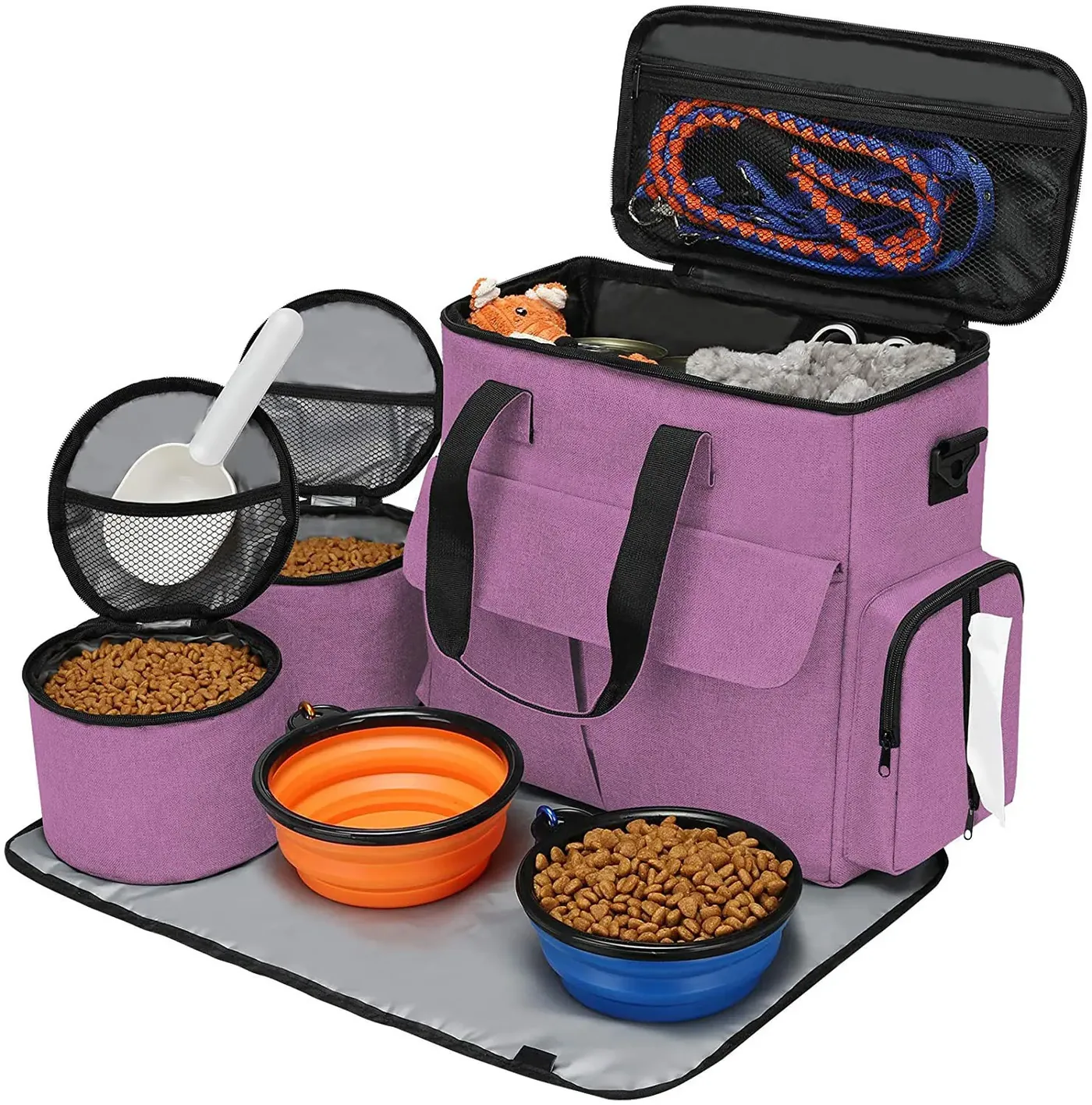
Autumn sits in an awkward position in the production calendar, between the summer close-out and the pre-winter peak. For an August shelf set, artwork should be approved by early April, lab dips by mid-April, samples completed by early May, approval confirmed by late May and the bulk slot booked by early June. That schedule clears the pre-peak congestion and leaves room for one reorder.
Lab dips are the step most often underestimated. A seasonal palette needs dip preparation, courier time, buyer approval and possible revision, and that cycle routinely takes two to three weeks before sampling can even begin. Buyers who plan sampling without planning dips will find their calendar slipping by a month.
Standard production terms are samples in 6-10 working days from tech pack sign-off and bulk in 35-50 days from deposit. The practical door-to-port figure for a fall program is 55-70 days, because textured fabrics are usually procured to order and shade approval adds a milestone that a standard program does not have.
The reorder window is the payoff for hitting the calendar. An autumn assortment that lands in early August can reorder in late September and still receive stock in November, which is where the season's margin is usually made. Buyers should agree the reserved reorder slot at the time of the original booking, when it costs nothing.
Merchandising and Bundle Strategy for Fall Retail
Fall pet bags merchandise best as part of a seasonal story rather than as standalone units. Bundling a bag with a matching accessory, such as a travel bowl, a waste-bag dispenser or a grooming cloth in the same palette, lifts basket value and gives the retailer a reason to allocate end-cap space. Bundles also simplify the buyer's decision, because one purchase covers a gift occasion.
Planogram logic should follow the palette. Grouping the autumn shades together as a seasonal block reads as intentional and encourages a shopper to compare within the story rather than against the core range. Separating them across the aisle dilutes the effect and makes the collection look like random colour variation.
Packaging carries more weight in autumn than in any other season. Seasonal presentation, a hangtag that names the palette and care instructions for wet-weather use all support the premium. Buyers should specify packaging as part of the program rather than accepting a generic option, because the autumn shopper is buying appearance and packaging is part of it.
E-commerce presentation should emphasise texture. Close-up photography of the weave, a lifestyle image in autumn light, and a stated water-resistance rating all convert better than a generic pack shot. Retailers consistently report that texture detail images reduce returns, because the shopper knows what is arriving.
Finally, plan the transition. Autumn stock should be drawn down before winter insulated product lands, or the two will compete for the same fixture. Distributors who sequence the two deliberately, with a defined markdown point for autumn, consistently end the year with less carryover.
Buyers should also decide the markdown trigger in advance rather than reacting to weekly sell-through. A defined date, agreed with the retailer before shipping, removes the negotiation from the moment when leverage is weakest and protects the relationship for the following season. Reaction-based markdowns arrive later and cut deeper, because by the time the decision is made the demand has already gone.
Own-Brand and Assortment Extension Options
Fall is the season where own-brand programs perform best, because the differentiation is visual rather than structural. A distributor can run the same base construction under several labels, differentiated only by palette, trim, hardware finish and packaging, and each label can position the product at its own price point without re-engineering the bag.
The economics favour this approach. Development cost is incurred once, the compliance file is shared across labels, and the production slot is consolidated. What varies is the fabric colour, the branding method and the packaging, all of which are low-cost change points relative to the construction.
Branding method should be chosen for the fabric. Woven labels and embroidery suit canvas and twill; heat transfer and rubber patches suit coated synthetics; embossed or debossed badges suit premium builds. Selecting a method that fights the fabric produces a branding defect that no amount of design work will fix.
Branding placement should be tested on the assembled bag rather than chosen on a flat sketch. A label positioned on a curved panel, across a seam or under a strap will read differently in production than in artwork, and a placement that looks centred in a drawing often sits visibly off once the panel is sewn. Approving placement on the first production sample avoids a defect that appears on every unit in the shipment.
Buyers running several labels should also standardise the branding position across the range. A consistent position simplifies production, reduces the chance of an operator error on a small run, and lets the own-brand owner change artwork without re-engineering the panel. Consistency costs nothing and removes a recurring source of small defects.
Assortment extension works along two axes. Depth adds sizes within one palette, which suits retailers with a dedicated pet travel section. Breadth adds accessories in the same palette, which suits gift and boutique channels. Most fall programs are better served by breadth, because the accessories carry higher margin and lower inventory risk than an additional bag size.
Production capability
- SGS-verified production space of 4,950 m², 149 machines, 7 assembly lines
- Pet bag output since 2014 from a 137-person team
- 200,000 units shipped monthly under BSCI and ISO 9001 systems
People Also Ask
What is a fall pet bag?
A seasonal pet bag built on textured fabric and an autumn palette with a water-resistant finish, positioned between the lightweight spring build and the insulated winter build.
Which colours sell in autumn pet bags?
Rust, ochre, olive, deep teal, chestnut and warm grey. Muted earth tones also hide the mud and leaf staining that dominates real autumn use.
Do autumn pet bags need waterproofing?
They need a durable water-repellent finish with a stated spray-test rating, taped or covered main seams and a coated base panel, because autumn use is consistently wet.
Why do fall bag colors vary between units?
Muted earth tones blend several dyes and are sensitive to dye uptake and finishing temperature. Control shade with approved lab dips and a Delta E tolerance of 1.0 or tighter.
How long is the autumn selling window?
Roughly twelve to fourteen weeks from late August through November, which is long enough to support one mid-season reorder if the original slot was hit.
Should autumn bags be bundled with accessories?
Yes. Bundling with a matching travel bowl, waste-bag dispenser or grooming cloth lifts basket value and earns end-cap space for the seasonal story.
Frequently Asked Questions
What defines an autumn pet bag program?
Texture, palette and weather performance rather than insulation. Expect a 600D-900D textured shell, a durable water-repellent finish, and a palette built on rust, ochre, olive, teal and chestnut.
Which fabric suits a fall pet bag best?
Poly-cotton twill or brushed polyester for mid-tier programs, cotton canvas for boutique and gift channels, and 900D matte oxford where abrasion and wet weather dominate.
How water-resistant should an autumn bag be?
Specify a spray-test rating of 90 or better plus a hydrostatic head appropriate to sustained drizzle, and tape or cover main seams. Never rely on the word water-resistant alone.
Why does the base panel need separate specification?
A bag set down on wet ground wicks water through the base within minutes. A coated base panel, a higher hydrostatic rating than the shell, or moulded feet removes the failure cheaply.
What shade tolerance should fall palettes use?
Delta E 1.0 or tighter, approved against a retained lab dip prepared on the finished fabric with the final coating applied. Muted earth tones show variation badly.
How many colorways should a fall assortment carry?
Three per style, with one reserved reorder slot. Autumn invites over-assorting, and five or six colorways routinely leave three slow movers at the end of the season.
What is the MOQ for autumn colorways?
MOQ is 500 pieces per color per style. Because each colorway is a separate dye lot, two colors at 1,250 pieces cost less per unit than five lots at 500.
How much does a seasonal colorway add per unit?
USD 0.20-0.55 over a core colour on the same fabric, reflecting smaller dye lots at the mill. Textured fabrics carry an additional cost and may carry mill minimums.
When should an autumn program be booked?
Approve artwork by early April, lab dips by mid-April, samples by early May and book the bulk slot by early June for an August shelf set.
What inspection defects are specific to textured shells?
Coating unevenness, texture direction mismatch between panels, shade deviation beyond tolerance and finish marks from handling, examined on an assembled bag under retail-like lighting.
How should autumn bags be merchandised?
As a seasonal block grouped by palette, ideally bundled with a matching accessory. Packaging should name the palette and include wet-weather care instructions.
Is own-brand a good fit for autumn programs?
Yes, because differentiation is visual. One construction can run under several labels with different palettes, trims, hardware finishes and packaging, sharing development and compliance cost.
Talk to QUANZHOU JUNYUAN BAGS about a wholesale pet bag order: MOQ 500 pieces per colourway, samples in 6-10 working days, bulk production in 35-50 days under AQL 2.5 inspection.
Get a free quote Request a sample