Polyester Fabric: Affordable and Durable
Polyester remains the default wholesale pet bag shell because it delivers 80-90% of nylon's durability at roughly 80-88% of the fabric cost, and it accepts sublimation printing that nylon cannot hold. Cost per metre sits 12-20% below comparable nylon, colour fastness to light is better, and recycled PET variants now match virgin performance. It is the rational choice whenever landed cost or printed graphics drive the programme.
Executive summary. Polyester programmes succeed when the costing model is honest about where savings come from and where they evaporate. The fabric line is cheaper, and so are lab dips, because polyester dyeing is forgiving enough that approval cycles rarely extend. Our production team sources polyester in 300D, 600D and 900D constructions, including GRS-documented recycled variants, and we quote each against written strength and colour targets rather than against a trade name. Every quotation assumes MOQ 500 pieces per colourway.
Development follows a fixed path: sampling in 6-10 working days once the tech pack is frozen, then bulk production in 35-50 days after sample approval, since printing screens, strike-offs and colour approval all sit inside that calendar rather than after it. Pre-shipment inspection runs at AQL 2.5 with zero tolerance on critical defects, and surface defects such as barre, pilling and print misregistration are counted separately because they behave differently in the field than structural failures.
The decision that most affects cost is usually print method rather than fabric grade. Once artwork is fixed at the right resolution and the right transfer process, unit economics stabilise; when artwork arrives late or at low resolution, both the fabric decision and the schedule are reopened at the worst possible moment.
Choosing a pet carrier supplier or a pet bag supplier comes down to the same three checks: a named production base, a test file that matches the destination market, and a price list that states what is excluded. An own-brand launch usually fails on the second check rather than the first, because the file gets assembled after the order instead of before it.
Where the affordability actually comes from
Polyester's price advantage is structural rather than promotional. The polymer is cheaper per kilogram than polyamide, the spinning and weaving infrastructure is larger and more competitive, and dyeing is faster because polyester accepts disperse dyes at high temperature without the mordanting complexity some nylon shades require. Each of those three facts removes cost before anyone negotiates.
The second driver is yield. Polyester is dimensionally stable through dyeing and finishing, so cutting yield is predictable and waste rates run lower than on fabrics that move unpredictably in finishing. In a cutting room running several thousand units, a two or three point improvement in marker efficiency is real money, and it shows up in the quotation without ever appearing as a line item the buyer sees.
Third is the availability of stock shades. Because polyester runs in enormous volumes across the whole sewn-goods industry, our production team can frequently source standard shades from existing mill stock, eliminating minimum dye lots and their accompanying lead-time penalties. Programmes that can live within a stock-shade card often save two weeks and a meaningful share of fabric cost compared with those that require custom colour.
What buyers should not do is treat savings as automatic. A cheaper base fabric specified without a written abrasion or tear target invites substitution, and substitution is how a cost saving converts into a return rate. The savings survive only when the technical specification stays equal and the comparison is apples to apples.
Finally, remember the freight dimension. Polyester bags are typically a little heavier than an equivalent nylon build for identical strength, which pushes slower but cheaper sea freight into the plan for many programmes. Where delivery windows allow sea shipment, that heavier specification costs less landed than a lighter air-freighted one.
There is also a resilience argument that buyers often overlook until they compare chain profitability rather than unit cost. Polyester's price is comparatively stable across quarters because the polymer is produced at enormous scale for apparel, bedding and industrial uses alongside bags. Nylon pricing correlates more closely with a narrower set of industrial applications and therefore swings harder when those sectors tighten, which makes polyester easier to forecast across a two or three season plan.
The cost advantage also survives better across reorders than most buyers expect. Because the fabric is produced at such scale, second-year pricing tends to track polymer markets rather than mill availability, whereas specialist constructions often move more sharply once demand returns after a quiet season.
Constructions buyers actually order: 300D, 600D, 900D
Polyester naming conventions confuse newcomers because "polyester" describes the polymer, not the fabric. The useful specification always includes denier and weave, and the three constructions dominating pet bag programmes each have a clear job. 300D serves lightweight totes, slings and interior linings where drape and low weight matter more than brute strength. 600D is the workhorse shell for backpack formats, travel bags and most structured bodies. 900D appears on heavy bases, wheeled formats and products aimed at large dogs.
Oxford weave deserves separate mention, because the term describes a basket weave traditionally associated with a shiny appearance and good tear resistance rather than a fibre. Polyester Oxford - specifically a 600D by 600D construction with a PU backing - is the most widely quoted specification in this entire category, and it is the specification to compare others against when building a costing sheet. We keep a standing comparison with Oxford weave ratings because most buyers encounter the two decisions together.
The trap lies in GSM. Two mills offering "600D polyester" may differ by 20% in mass per square metre, and the lighter one will abrade out faster and show grin-through where a coating is thin. Always write the GSM minimum with a tolerance into the purchase order, not just the denier.
Back-coating deserves specific mention, because it is the specification most often omitted from a purchase order and the one with the largest effect on how a bag behaves. A thin acrylic back-coat stiffens slightly, stops seam slippage and prevents filling migration, while a heavier PU back-coat adds genuine water resistance and body. Both cost little per metre and both change the perceived quality of the finished product substantially.
Finally, consider how the construction interacts with cutting efficiency. High-denier, heavily coated fabrics nest less efficiently on the marker because they resist folding and easing, which slightly raises fabric consumption per unit. Small effects, but they compound across a full container and belong in the costing model rather than in the waste bin.
One more practical point: request a retained cutting swatch from the actual bulk lot rather than from the approval sample, then archive it. Reorders eighteen months later are matched against that physical reference, and no amount of digital colour data resolves a dispute about whether bulk matched original.
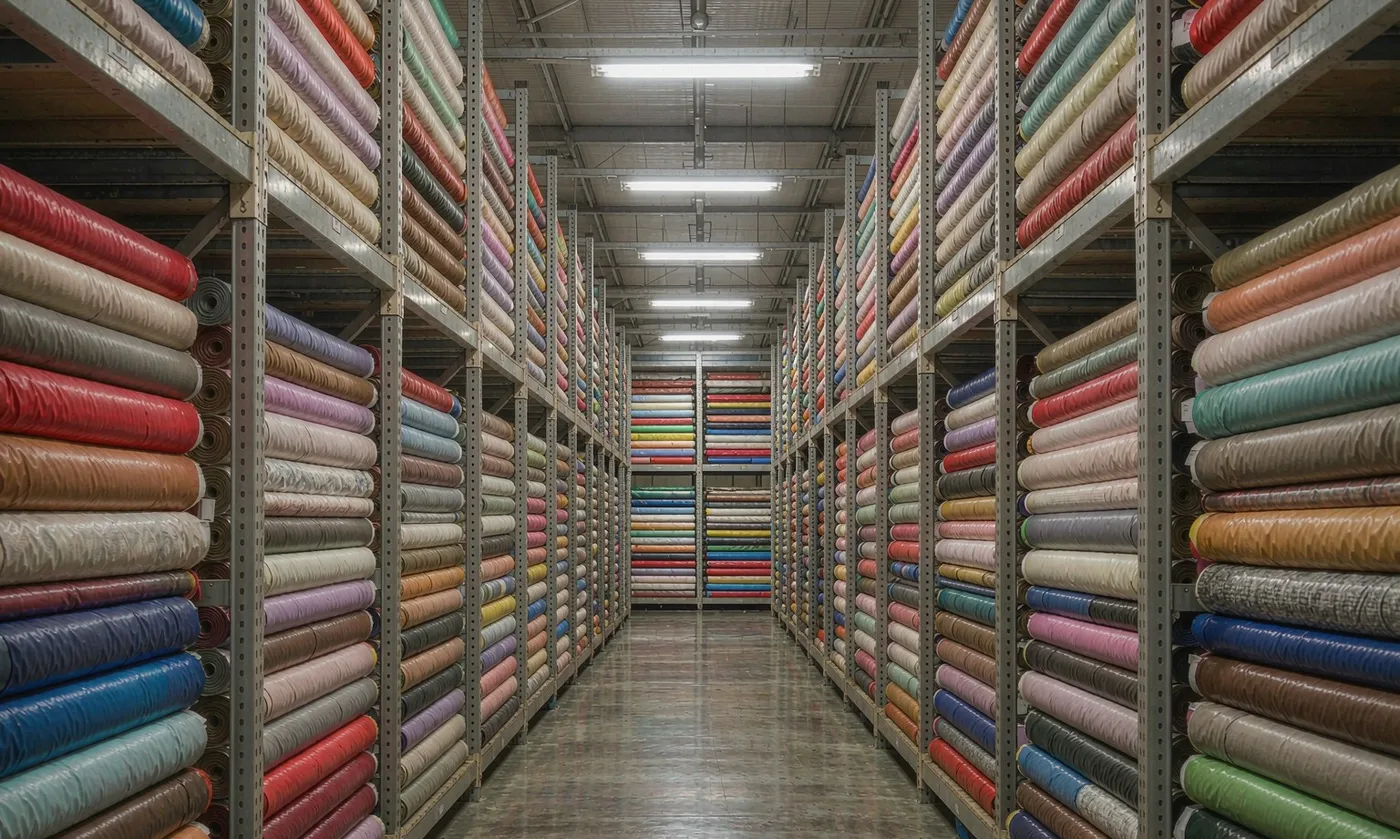
Cost and performance across the three base fabrics
The table below compares the three families that compete for a standard pet bag shell on equal footing, using specification targets our production team quotes rather than generic marketing claims. Cost index is anchored at 1.00 for 600D polyester with a standard PU backing. Read the durability and weight columns together, since cost per wear, not cost per metre, is the metric that actually lands on your margin.
| Family | Shell GSM | Relative cost per metre | Light fastness | Printability | Best fit |
|---|---|---|---|---|---|
| 600D polyester | 210-260 gsm | 1.00 | Good (4-5) | Excellent - sublimation capable | Volume shells, printed graphics |
| 420D nylon | 150-180 gsm | 1.15 | Moderate (3-4) | Limited - heat sensitive | Weight-critical builds |
| 12 oz cotton canvas | 400-440 gsm | 1.35 | Poor (2-3) | Pigment print only | Fashion and natural-positioned ranges |
| rPET 600D polyester | 210-260 gsm | 1.12 | Good (4-5) | Excellent - sublimation capable | Sustainability-mandated programmes |
Cost per wear changes the conclusion for heavy-use products. A base panel specified in 900D polyester costs meaningfully more per metre than 600D but can double service life at the contact point, which lowers total ownership cost for rental, veterinary and boarding fleets even though it raises unit cost.
For printed programmes, cost behaves differently again, because the fabric is a carrier for the artwork. Sublimation onto polyester produces photographic graphics at no per-colour screen cost, so complex artwork is cheaper on polyester than alternative printing routes - a decisive advantage that no other factor outweighs in graphic-led ranges.
Seasonal and regional considerations also belong in this comparison. Programmes destined for hot, humid climates frequently find that polyester's faster drying and better hydrolysis resistance outweigh nylon's abrasion advantage, because fungal staining and coating breakdown cause more returns than wear ever does. Conversely, programmes sold into cold, dry markets see the reverse, where nylon's retained flexibility at low temperature matters more than any cost difference.
Buyers comparing quotes should also normalise for coating weight. A heavier backing adds both cost and water resistance, so a higher headline fabric price may simply reflect a better specified coating rather than a worse commercial deal.
Dyeing, printing and the colour numbers to specify
Colour is the single largest source of dispute in textile sourcing, and nearly all disputes trace back to specifications that were never quantified. A written colour requirement should include the reference standard, acceptable instrumental tolerance, fastness targets for light, rubbing and washing, and a statement of whether metamerism is acceptable under retail lighting.
Polyester's advantage here is real but conditional. Disperse dyeing penetrates the filament and produces excellent wash and light fastness values on standard shades, better than nylon on most mid-tones. Dark saturated shades, particularly bright reds and royal blues, are the exception, where rub fastness can struggle and where a written minimum rub rating prevents disappointment. Test method reference frameworks published by AATCC are the common language for these requirements, and quoting against standard methods lets your own laboratory verify independently.
Sublimation printing deserves the most attention from buyers building graphic-led ranges. Because the dye transfers into the polymer rather than sitting on the surface, printed panels survive abrasion far better than screen prints and do not crack along fold lines. The constraint is fibre: sublimation bonds to polyester, not to cotton or nylon, so any mixed-fabric design will show colour mismatches between components.
Consider logistics too. Sublimation requires heat transfer and therefore a panel construction that tolerates it, printed before assembly, which means artwork must be locked at the point fabric is committed. Late artwork changes interact badly with the 35-50 day bulk window, which is why we freeze print files before bulk booking rather than at the start of production.
Registration and strike-off behaviour deserve a budget line of their own. Printed programmes typically require at least one physical strike-off before bulk, sometimes two when artwork involves gradients or fine detail, and each costs both time and money. Buyers who plan two strike-offs routinely hit their launch dates; buyers who plan one routinely discover later that the second was unavoidable.
For programmes requiring matched colours across components, remember that printed panels and dyed solid panels rarely match perfectly even from the same supplier. Designing so that printed components sit adjacent to contrasting rather than matching colours avoids the visual mismatch that otherwise becomes a costly reprint.
Finally, agree who pays for colour re-runs. Where a submission falls outside tolerance through no fault of the buyer, the cost should sit with the supplier, and stating that now prevents a negotiation later when both parties have less flexibility than they imagined.
Recycled polyester: documentation is the product
Recycled PET has moved from novelty to compliance requirement for many European and North American retailers, and rPET fabric now performs comparably to virgin at a modest premium. The engineering question is settled; the documentation question is not. Recycled content claims are auditable claims, and a claim without transaction certificates is a liability rather than a selling point.
Buyers should therefore specify two things: the claimed percentage of post-consumer content and the certification scheme that backs it, together with the requirement that transaction certificates accompany the shipment rather than the quotation. Third-party verification bodies such as SGS are routinely used to verify both material composition and factory compliance documentation, and accepting a self-declaration in place of third-party evidence is a risk suppliers quietly price into their own margins.
There is also a performance caveat worth stating plainly. Recycled feedstock streams vary more than virgin polymer, which shows up most often as slight shade variation between lots and marginally higher defect rates in the woven fabric. Specifying rPET does not require accepting lower quality, but it does require tighter incoming inspection and a willingness to accept a small shade tolerance band on recycled programmes.
There is also a straightforward availability constraint that affects scheduling. Documented recycled feedstock is allocated rather than infinitely available, and confirming supply at the quotation stage avoids discovering during bulk booking that the certified stream has been committed elsewhere. Where brand requirements allow, agreeing a defined acceptable substitution - same certification scheme, same performance targets - keeps the line moving if supply tightens.
Certification also carries a recurring administration cost that rarely appears in the first quotation. Maintaining valid documents per colourway and per component across seasons takes someone's time on the supplier side, and suppliers who price that work in from the start are usually easier to deal with than those who discover it later.
Where polyester fails: three realistic limits
Every material has an honest failure profile, and the credibility of a costing model depends on stating it before the customer discovers it. Polyester's three limits are well understood and, in each case, manageable.
- Abrasion at contact points. Polyester abrades faster than nylon under identical construction. Base panels, strap contact edges and interior corners should move up a denier tier or add a reinforced binding.
- Pilling on brushed finishes. Brushed polyester linings and fleece contact surfaces pill with use. Specify pilling resistance with a written rating rather than relying on appearance at sample stage.
- Hydrolysis in hot humid storage. PU coatings on polyester can break down in prolonged high-heat, high-humidity container conditions, producing a tacky surface and coating odour. Choosing hydrolysis-resistant coatings matters for long sea transits into tropical markets.
Each of these is preventable at specification stage for a small cost and unfixable once goods are on the water. That asymmetry is the whole argument for writing test targets into the purchase order rather than relying on the supplier's standard practice.
A fourth limit, specific to printed polyester, is crocking on very dark saturated grounds, where unfixed dye can transfer onto light surfaces. This is largely a processing rather than a polymer issue, but it should be specified as a minimum rub fastness rather than left to standard practice, particularly for dark bags shipped alongside light-coloured accessories.
Each of these limits can also be reframed as a specification opportunity rather than a defect. Writing the requirement turns an engineering weakness into a managed cost line, which is the outcome buyers actually need from a material decision.
Two failure cases recur in the claim files our production team keeps. The first is a printed tote ordered at 190 gsm against a 600D headline: panels passed sampling and then grinned through at the fold after eight weeks on shelf, and the entire booking was reprinted. The second is a boarding fleet that specified a standard PU coating for a humid coastal route, where the coating turned tacky inside a 32-day container transit. Both were preventable with two extra lines on the purchase order.
Specification checklist for the purchase order
The most reliable polyester orders share one trait: the fabric line is written as a complete specification rather than a name. Our production team works from six fields, and any quotation missing more than one of them will produce surprises later.
- Fibre and construction: polyester, denier, filament structure and weave, plus the GSM minimum with tolerance.
- Coating: type, application method and coating weight in grams per square metre, with a specified minimum water resistance.
- Colour: physical reference, instrumental tolerance, and fastness targets for light, rubbing and washing.
- Recycled content: percentage claimed, certification scheme, and shipment-level transaction certificates if applicable.
- Test targets: tensile, tear and abrasion figures stated together with the method reference used to measure them.
- Inspection: agreed sampling standard, defect classification and acceptable quality level before shipment release.
With those six fields complete, sampling completes within 6-10 working days and quotations become directly comparable. Without them, two suppliers can quote within a few cents of each other on entirely different products.
Two further fields often prove decisive in practice. Care and cleaning parameters belong in the specification because they drive the instructions printed on the product page, and those instructions drive return behaviour when they are absent. Packaging specification also matters more than buyers expect, since bags compressed tightly into undersized cartons arrive creased regardless of how well the fabric performs.
Buyers should finally decide who owns the retained reference. Keeping one signed swatch at your office and one at the supplier's is standard, and it removes any later argument about whether bulk matched the approved sample.
Where a buyer operates several suppliers, insisting on identical specification fields across all of them is the fastest route to genuinely comparable quotations, and it takes about ten minutes per enquiry once the template exists.
A useful discipline is to require the quotation to repeat your specification fields verbatim. When a supplier restates GSM, coating weight and fastness targets in their own offer, both sides are comparing the same product; when the offer reverts to a trade name such as "heavy duty polyester", the specification has already been silently reinterpreted. That restatement costs nothing and prevents most downstream disputes.
Order economics: colourways, print runs and MOQ behaviour
The MOQ 500 pieces per colourway exists to make a fabric booking economically viable, but how buyers use that structure determines real cost. Three tactics consistently lower unit cost without weakening the product: consolidate colourways across sizes into one booking, choose stock shades over custom lab dips where brand does not depend on an exact tone, and align print layout so that panels nest efficiently on the marker.
Print economics deserve a specific note. Sublimation carries no per-colour screen charge, so artwork complexity is free, but rotary or flat screen printing does carry per-colour costs and requires minimum yardage per colour. Programmes using screen printing should therefore expect higher effective minimums per design, typically met by concentrating artwork into fewer colourways that repeat across the range.
Finally, timing interacts with everything. Bulk production takes 35-50 days partly because fabric booking, printing and finishing queue in sequence. Buyers who approve samples by return, rather than circulating them internally for two weeks, regularly shave five to seven days off total calendar time without paying any expedite premium at all.
If you are still deciding between families, read this alongside the notes on material selection and colour fastness, which cover the two topics that most often decide the question after cost.
Planning buffers represent the last area where money hides. Because bulk production takes 35-50 days and because shipping adds weeks beyond that, a programme targeting a specific retail window needs its sample approval date set backwards from the launch rather than forward from the enquiry. Buyers who plan backwards rarely pay for expediting; buyers who plan forwards pay for it almost every season.
Reorders then benefit from the discipline too: with parameters fixed, subsequent seasons can be compared line by line, and price movement can be attributed to real market movement rather than to specification drift nobody noticed.
One caution on consolidation: merging colourways into a single fabric booking only saves money when the shades share a dye lot family. Combining three unrelated custom shades into one booking does not reduce mill minimums, and buyers who assume otherwise discover the surcharge at quotation stage rather than at enquiry stage. Confirm the dye classification before promising a consolidated price internally, because that promise is the one that gets revisited.
Why brands source here
- Pet bag programmes run since 2014; founding team in sewn goods since 2004
- SGS-verified production floor of 4,950 m² with 137 workers across 7 lines
- Monthly capacity of 200,000 units, audited to BSCI and ISO 9001
People Also Ask
Is polyester better than nylon for pet bags?
Neither dominates. Polyester wins on cost, printability and light fastness; nylon wins on strength to weight and abrasion. The right answer depends on whether cost or weight governs your programme.
How long does polyester pet fabric last?
With written abrasion targets met and normal consumer use, well specified 600D polyester shells last several years of regular service. Field failure usually begins at contact points, not in open panels.
Can polyester be waterproofed?
Yes, with PU or PVC coatings plus seam sealing. Standard practice is a water-resistant PU backing adequate for rain, reserving full seam-sealed construction for genuine waterproof claims.
What is recycled PET fabric made from?
Principally post-consumer beverage bottles and post-industrial polyester waste, chipped, re-polymerised or re-melted and spun into filament with performance equivalent to virgin yarn.
Why does my printed fabric fade in store windows?
UV exposure degrades dyes over time. Polyester respond well but no dyed fabric is immune; specify a light fastness target and avoid unfiltered sunlight for long display periods.
Does the MOQ change for custom colours?
The 500-piece minimum per colourway still applies, but custom lab dips add days to development and often carry mill minimums. Stock shades avoid both penalties.
Frequently Asked Questions
Is polyester durable enough for pet bags?
Yes. Correctly specified 600D polyester passes standard load and abrasion targets suitable for most wholesale programmes. It abrades somewhat faster than nylon, so high-wear contact points should move up a denier tier or carry reinforcement.
How much cheaper is polyester than nylon?
Typically 12-20% less per metre at comparable construction. Because fabric is 22-34% of FOB cost, the effect on ex-works pricing is usually around 4-6%, though it grows on large surface-area designs.
Can I print photographic artwork on polyester?
Yes, via sublimation transfer, which bonds dye into the fibre and resists cracking and abrasion far better than surface prints. The fabric must be polyester; mixed constructions will show shade differences between panels.
What is the difference between 600D polyester and Oxford?
600D describes yarn thickness while Oxford describes a basket weave commonly built from those yarns. "600D Oxford polyester" is the most quoted shell specification in this category and should always be stated with its GSM.
Is recycled polyester as strong as virgin?
Yes in practical terms, with equivalent performance when specified to the same test targets. Expect slightly higher lot-to-lot shade variation and slightly higher defect rates, which incoming inspection should cover.
What documentation should I request for rPET claims?
A written percentage of post-consumer content, the certification scheme behind it, and transaction certificates that travel with the shipment. A claim without transferable documentation will not survive a retailer audit.
Do PU-coated polyester bags degrade in storage?
They can, particularly in prolonged high heat and humidity, where hydrolysis produces a tacky coating and odour. Specify hydrolysis-resistant coatings for long sea shipments into tropical destinations.
Why is light fastness better on polyester?
Disperse dyes penetrate polyester filaments deeply and resist photo-degradation better than dyes on many nylon constructions. Practical difference is roughly one rating step on mid-tone shades, which matters for window displays.
Does polyester absorb odour?
Polyester is hydrophobic and dries quickly, but its surface can retain oily residues. Anti-microbial finishes and washable liner design mitigate odour build-up far more effectively than changing base fabric.
What GSM should I specify for 600D polyester?
Common commercial fabric sits around 210-260 gsm depending on coating build. Write the minimum with a tolerance rather than accepting a headline denier, because thin low-GSM variants abrade out quickly.
How do MOQ rules apply to printed designs?
MOQ is 500 pieces per colourway. Screen printing adds per-colour minimums and set-up charges, so concentrating artwork into fewer repeat designs generally lowers unit cost more than negotiating fabric price.
Can you match a competitor's existing fabric?
Usually yes, given a physical sample. We reverse-engineer construction, GSM and coating from the swatch and quote to written test targets, so the comparison is measured rather than assumed.
Talk to QUANZHOU JUNYUAN BAGS about a wholesale pet bag order: MOQ 500 pieces per colourway, samples in 6-10 working days, bulk production in 35-50 days under AQL 2.5 inspection.
Get a free quote Request a sample