KC Certified Pet Bags: South Korea Market Access
Most pet bags entering South Korea do not require KC certification. The mark attaches to products on the controlled safety list, which is dominated by electrical and child-related categories; an ordinary fabric bag is evidenced by chemical and physical test reports instead. Where a bag carries a mains charger, a heater pad or a powered fan, the safety certificate route opens and costs roughly USD 1,400-4,800 with 3-7 weeks added before bulk.
Korean market access is less about the certificate than about who signs for it. Under the Korean product safety framework the importer of record, not the offshore maker, generally carries the declaration duty, which changes the commercial conversation: a Korean distributor will ask for the file they must hold, and the quality of that file decides how fast they list the line. This page walks through how the scope is determined for a pet bag assortment, what an importer asks for when nothing electrical is fitted, and what changes when it is.
Every figure here is attached to how a wholesale order is actually built. Our programmes run at MOQ 500 pieces per colourway, samples take 6-10 working days, bulk production takes 35-50 days after approval, and pre-shipment inspection runs to AQL 2.5. Certification activity sits before production, never inside it, and the order calendar should be planned backwards from the listing date rather than from the shipping date.
Pet bag market size is reported three different ways depending on whether carriers, travel bags and accessories are bundled, so Material & Technology planning should pick one definition and stay with it. Pet bag market report figures are useful for board decks and of little use for MOQ planning.
Reading the Scope Before Anything Else
The Korean safety system works from a controlled list, and scope is decided by what appears on that list rather than by what a product is called. A fabric pet bag, however clever the design, is not on it. Attach a mains-powered component and you have moved into territory where the list does reach, because the list is organised around hazards rather than around merchandise categories.
That leads to a counter-intuitive but useful rule for buyers: the riskattach attaches to the bundle, not to the bag. A SKU sold with a bundled wall charger, USB wall adapter or power bank may be treated differently from the same bag sold without one, even though the sewn article is identical. Consequently, a buyer can sometimes change the risk classification simply by changing what goes in the retail box, which is a far cheaper lever than redesigning the product.
The second determinant is user age. Categories aimed at children carry stiffer obligations than general-purpose goods, and several pet bag designs sit close enough to children's products to raise the question - novelty shapes, cartoon treatments, small-format bags sized for young owners. None of these automatically triggers the child route, but a buyer should be able to answer the question if a distributor raises it, and the answer should be documented in the tech pack rather than improvised later.
Practically, our advice at the enquiry stage is to classify each SKU against three questions. Does it contain a powered component? Does it connect to mains supply at any point in normal use? Is it presented or marketed toward children? Three no answers give a defensible position that can be written into a declaration and held on file.
Who Signs: Importer Obligations Versus Factory Evidence
The single most misunderstood part of Korean access is that the overseas factory usually cannot make the declaration on its own. The importer of record takes responsibility for placing goods on the Korean market, which means the importer needs documents that let them fulfil that duty, and they are entitled to ask the supplying side for them.
This reverses the usual negotiating order. Instead of the supplier deciding what to test, the Korean partner specifies what evidence they must hold, and the supplier either produces it or loses the order. Buyers who arrive with a ready file shorten their own sales cycle considerably. In our experience the difference between a programme that lists within one season and one that lists two seasons later is frequently nothing more than documentation readiness.
The obligation also explains why Korean distributors are unusually detailed about packaging data, batch identification and traceability. If a market surveillance action is taken, the importer must be able to identify which units are affected, thereby the batch coding has to reach the retail unit, not only the carton. Lining up production batch coding with distributor traceability requirements is a two-hour conversation before cutting and a two-month problem after shipping.
- Importer-facing evidence. Test reports, declarations and batch identification.
- Supplier-facing evidence. Component certificates, raw material lots and process records.
- Shared evidence. Batch coding, packaging artwork and the marking schedule.
- Retail-facing evidence. Hang tag copy, warnings and distributor contact details.
A useful reference for how this division is standardised in trade terms is the International Chamber of Commerce, whose rule sets frame where responsibility changes hands. On the quality side, third-party reports from laboratories such as SGS are the form Korean importers most commonly accept.
The Evidence File for a Non-Electrical Pet Bag
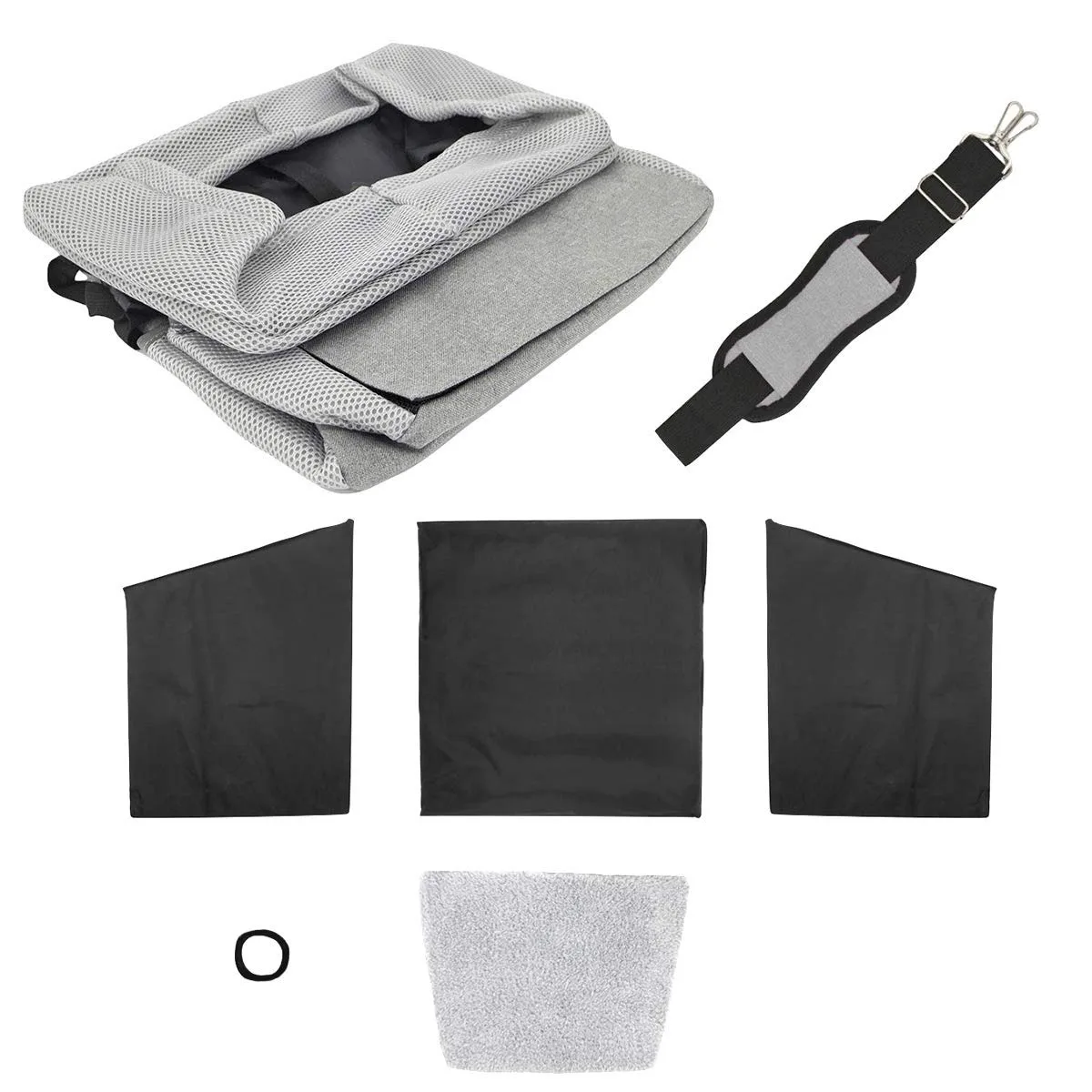
Where no electrical component is fitted - which covers the large majority of wholesale pet bags - the practical requirement is a chemical and physical evidence file. It exists to satisfy the importer, the retailer and any market surveillance enquiry, and its content is largely the same across developed markets. Building it once, to the strictest method in play, is cheaper than building it per destination.
The chemical section should cover restricted substances across all textile inputs: shell fabric, lining, mesh, webbing, foam, coatings and print pastes. It must reference the dye lot actually shipped, not the laboratory's generic substrate. This is where an otherwise good programme fails, because reports age and a repeat order on a new dye lot quietly invalidates the evidence.
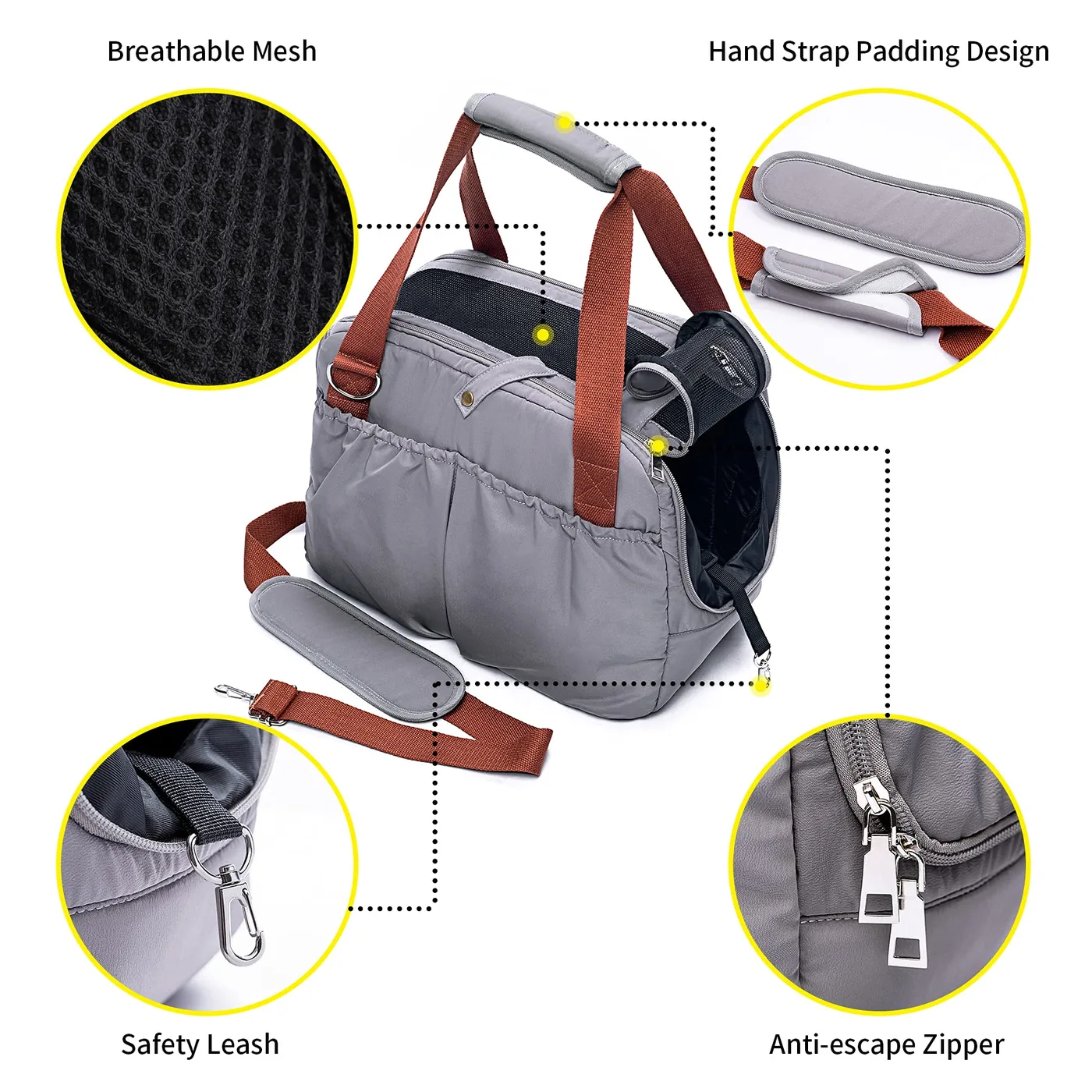
The physical section covers what a retailer's own laboratory will re-test: seam strength, strap and handle strength under cyclic load, zipper and buckle cycle counts, colour fastness to rubbing and to light, and dimensional stability after laundering. Pet bag buyers ask specifically about the carry system because strap failure is the most common field complaint in this category.
| Block | Contents | Referenced to | Usual validity |
|---|---|---|---|
| Restricted substances | All textile inputs, coatings, prints | Shipped dye lot and batch | 12 months or new lot |
| Hardware declaration | Zippers, buckles, rivets - nickel and lead | Component purchase batch | Per batch |
| Physical performance | Seam, strap and zipper cycle results | Approved production sample | Until design change |
| Colour fastness | Rub, wash and light on the actual substrate | Shipped dye lot | 12 months or new lot |
| Origin and labelling | Country of origin, importer details, batch code | Shipment | Per shipment |
| Marking photos | Every permanent and hang-tag marking | Shipment | Per shipment |
One further convention helps where several SKUs share a platform. Ask for the evidence file to be organised by component rather than by SKU, so that a shared fabric, zipper or webbing appears once with all its reports attached. A component-level file survives line extensions without rework, whereas a SKU-level file has to be rebuilt every time a colour is added - and the rebuilding, not the testing, is where the cost hides.
Two details make the file genuinely reusable. First, ask for the full bill of materials with named sub-suppliers, because a report without traceability is worth very little when an enquiry lands. Second, keep photographic evidence of the marking positions, because disputes in this market are usually about what the consumer saw rather than about what the laboratory measured.
Cost and Timeline When the Electrical Route Opens
Once a powered component is in scope, budgets change shape. There is a fixed project cost covering application, testing and representation, and it amortises over volume in exactly the way tooling costs do. At 500 units the added cost is significant enough to threaten the margin of a mid-priced bag; at 5,000 units it is barely visible.
The timeline movement is usually more damaging than the cash. A cold start to electrical evidence takes 3-7 weeks, and any failure adds most of that again. The goods cannot be produced to their final configuration during that window if the outcome might change the component choice, which means idle production slots and, more seriously, a launch date that slips past a seasonal window.
| Line | Cost (USD) | Weeks | Per unit at 500 | Per unit at 2,000 |
|---|---|---|---|---|
| Application and representation | 400 - 1,200 | 1 - 2 | 0.80 - 2.40 | 0.20 - 0.60 |
| Safety testing | 900 - 2,800 | 3 - 5 | 1.80 - 5.60 | 0.45 - 1.40 |
| Additional production samples | 100 - 400 | 1 - 2 | 0.20 - 0.80 | 0.05 - 0.20 |
| Re-test contingency | 0 - 1,000 | 0 - 3 | 0.00 - 2.00 | 0.00 - 0.50 |
| Total | 1,400 - 4,800 | 4 - 7 | 2.80 - 9.60 | 0.70 - 2.40 |
Read alongside our production calendar, the arithmetic becomes obvious. If samples take 6-10 working days and bulk takes 35-50 days, an additional four to seven weeks of pre-production activity roughly doubles the front end of the project. The remedy is to start the electrical question during the enquiry phase, not at the point where a tech pack has already been signed off.
Korean Language Labelling and Retail Packaging
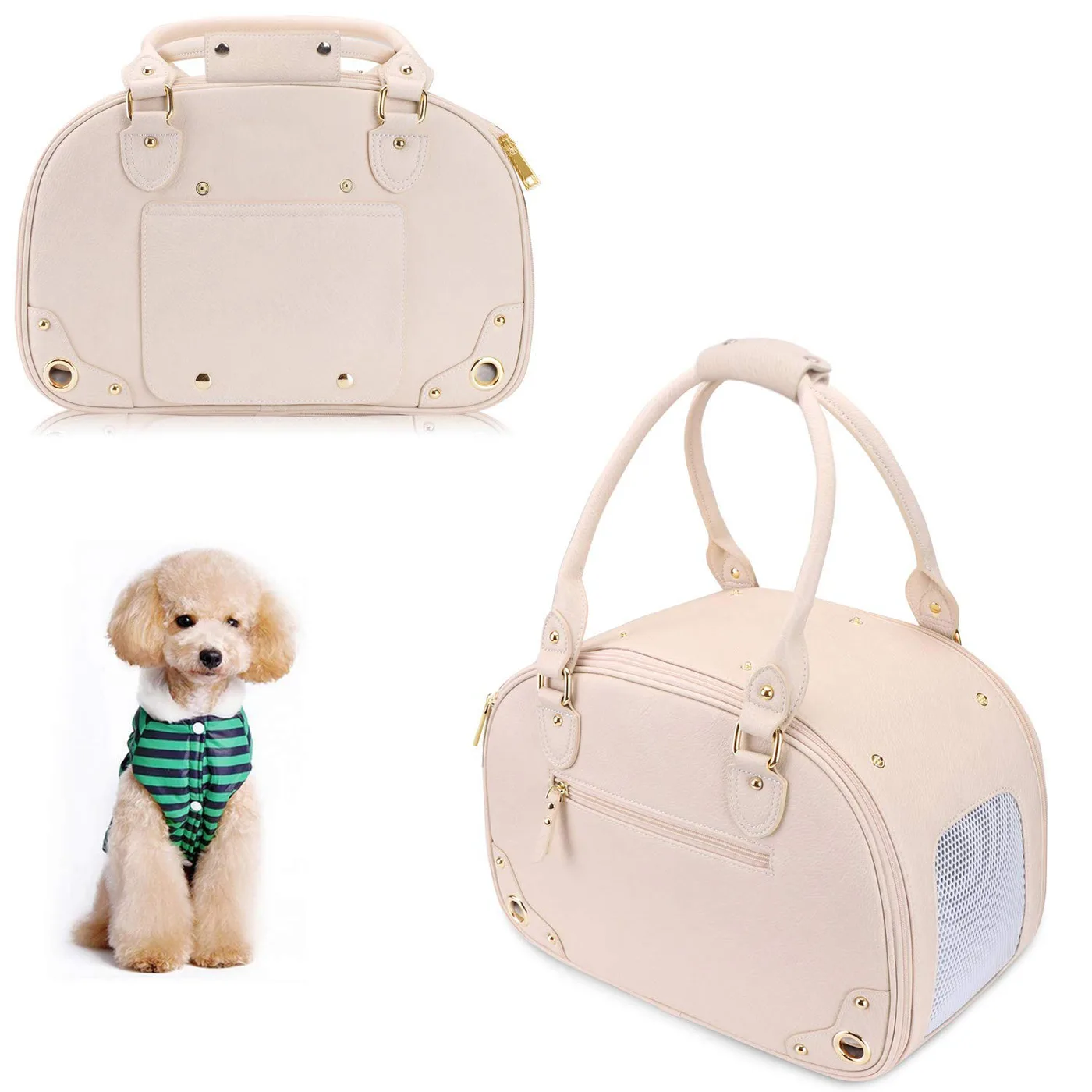
Korean labelling rules are consumer-facing and detailed, and they are enforced at the shelf rather than only at the border. The importer's details, the country of origin, material composition and care instructions all need to read correctly in Korean, which means artwork has to be produced locally rather than translated from English at the last minute.
Buyers routinely underestimate two things about this. The first is the length of Korean copy relative to English: Asian-language text blocks expand or contract unpredictably, and a hang tag designed around an English paragraph will not necessarily fit its Korean equivalent. The second is that compliance copy and marketing copy compete for the same space, so the retail pack design has to be settled with both in mind.
Three conventions make this painless. Reserve a fixed panel on the hang tag and on the sewn-in label for compliance text, sized to the longest expected language rather than to English. Keep the care symbols standardised so that the portion needing translation stays small. And ask the distributor for their own artwork template early, because most Korean retailers have internal requirements that override your house style.
Two more steps close the remaining gaps. First, require the distributor to approve the Korean artwork against a physical pre-production sample rather than a digital proof, because colour shift between screen and printed label is a frequent source of rejected deliveries. Second, specify the label construction itself: a woven satin label behaves differently from a printed satin heat-transfer label in both legibility and durability, and the choice should be made deliberately against the washing and cleaning instructions that appear beside it.
Separately, remember that the retail pack carries obligations too. Carton markings, unit weight declarations and any plastic packaging statements belong in the same approval cycle as the hang tag. Teams that run pack artwork and compliance copy in parallel workstreams routinely ship cartons that contradict the units inside them, and reconciling that after loading is far more expensive than approving both together.
Print durability deserves a mention because it is the most common defect found on inspection for Korean-bound goods. A label that is legible when packed and illegible after a month in a warehouse creates a retail rejection that no amount of test data will rescue. Specify rub resistance on printed labels to the same standard you specify it on the shell fabric.
Testing Once, Selling Several Markets
A Korean programme is rarely a Korean-only programme. Most wholesale buyers we work with ship the same platform to three or more destinations, and the cost of compliance is controlled by deciding, at the start, to build one evidence pack against the strictest applicable method rather than three packs against three baselines.
In practice this means choosing the test panel before production rather than after. Pick the highest load figure for the strap cycle test among your destinations, the strictest colour fastness grade, and the broadest restricted-substance screen. Then run one set of samples and hold the results centrally. The marginal cost of widening a screen is small; the marginal cost of repeating a whole test cycle is not.
| Test | Typical baseline | Stricter variant | Recommended standard |
|---|---|---|---|
| Restricted substances | Single-market list | Broadest composite list | Composite list, per dye lot |
| Strap cycle load | Static pull only | Cyclic with load at temperature | Cyclic variant |
| Colour fastness to rubbing | Dry only | Dry and wet, light included | Dry, wet and light |
| Zipper cycles | Open-close count | Count plus lateral pull | Count plus lateral pull |
| Printed label durability | Visual check | Rub test method | Rub test method |
Documentation discipline for this approach is set out in the ISO 9001 quality management material, and textile method neutrality is easier where everybody agrees on recognised method sources such as AATCC test methods. Agreeing the method before testing avoids the situation where two parties hold different results from equally competent laboratories.
Negotiating the Compliance Clause With a Korean Distributor
Compliance clauses in distribution agreements are usually written by lawyers who will not have to fund the testing, so they tend to be broad and expensive. The buyer's job is to make them specific enough to be cheap. Four points deserve explicit wording: who pays, who holds the evidence, what happens on a change of component, and what happens on a change of regulation.
Cost allocation should follow benefit. If the distributor owns the local listing, they normally fund any local validation. If the supplying side specifies the component, it should fund the evidence for it. Ambiguity here becomes a dispute at exactly the moment the programme can least afford one - shortly before the first shipment.
The change clauses matter more than buyers expect. A distributor will want notice of any component substitution and often a right of re-approval, which sounds reasonable until it collides with a hardware supplier's lead time. Agree the notification period in working days, agree who pays for retesting triggered by each type of change, and keep a written change-control list attached to the tech pack so that the conversation is about fact rather than about memory.
Regulatory change should be treated as a shared risk with a defined process: the party who first becomes aware notifies the other, both assess, and cost is split for the transition stock. This rarely matters until it suddenly matters a great deal.
Failure Points at Korean Clearance and How to Pre-empt Them
Clearance difficulties in this market cluster around documents rather than goods. Three are frequent. The first is a mismatch between the declared importer details on documents and those printed on retail packaging, which is easy to introduce when artwork is revised after the order is booked. The second is a batch code present on the carton but absent from the retail unit, defeating traceability. The third is a report referencing an old dye lot for what is plainly a different colour shipment.
Each is trivially avoidable with one process step: freeze the artwork set and the evidence set together, at the same meeting, against the same shipment. Buyers who run these as separate workstreams - artwork handled by a designer, testing handled by a compliance colleague - produce mismatches by default.
A fourth issue appears less often but costs more when it does: carton contents that disagree with the packing list, typically because a mixed-colourway shipment was repacked after a partial inspection. Korean importers often reconcile physically rather than trust the document, and a single miscounted carton can hold an entire container while the discrepancy is resolved. Packing lists generated from the final inspection count rather than from the order sheet remove this risk almost entirely.
The commercial consequences deserve stating plainly. A held shipment is not merely late; it is late in a market where shelf space is seasonal and re-orders are planned years ahead. Buyers sometimes accept the cost of extra testing as insurance purely to avoid the variance of a clearance delay, and at 2,000 units that insurance usually costs less than the margin on one week of lost shelf time.
Pre-emption costs nothing beyond a checklist. Before shipping, confirm that the importer block on every retail unit matches the import declaration, that every carton and unit carries the agreed batch code, that test references match the shipped lots, and that the marking photography in the file corresponds to what actually loaded. Confirming takes about ninety minutes per shipment; discovering at clearance takes about ninety days.
Building the Korean Assortment on One Platform
Once compliance is understood as a documented rather than a mystical process, it becomes a design constraint like any other - and like any other constraint, it rewards standardisation. The most successful programmes we support send one bag platform into Korea, Japan and Europe with variations only in colour, branding and packaging, keeping the structural evidence common.
The economics are straightforward. A common platform means one samround of structural testing, one set of patterns, one inspection specification and one photographic asset set per season. Variation then costs only the marginal material and finishing difference, which is usually the cheapest part of the bill. The same logic is what allows mixed colourways inside a single order while still clearing 500 units per colourway.
Sequencing is the other half. Start the Korean listing with the simplest version of the platform - no powered components, standard materials - and add complexity on re-order once volume justifies it. This keeps the first cycle fast, keeps the evidence file simple, and gives the distributor a proven seller before anyone proposes adding features that lengthen the compliance calendar.
Working terms on these programmes are unchanged: MOQ 500 pieces per colourway, samples in 6-10 working days, bulk production in 35-50 days, inspection to AQL 2.5, T/T 30/70 and shipment FOB Xiamen. Our production team is used to assembling the evidence file alongside the goods rather than after them, which is the difference between a file that exists and a promise to send one. Buyers who build the folder this way also find it becomes a sales asset rather than a cost, because Korean partners compare two offers on documentation quality as often as they compare them on price.
Related reading for buyers building this out: our notes on Japanese standards evidence, origin labelling and import duty planning.
Order and quality terms
- MOQ 500 pieces per colourway; samples in 6-10 working days
- Bulk production 35-50 days after approval; AQL 2.5 inspection standard
- T/T 30/70 terms, FOB Xiamen, full document set per shipment
People Also Ask
Who pays for compliance testing in a Korean distribution deal?
Normally whoever owns the benefit: the distributor funds local validation, the supplying side funds evidence for components it specified. Put the split in writing before the first order rather than negotiating it after a failure.
Can we avoid certification by removing a bundled accessory?
Often yes. Because classification follows what reaches the consumer, shipping the bag without the mains accessory frequently keeps it outside the controlled list. Confirm with the importer before changing the pack.
What is batch identification and why does it matter?
It is the traceability code linking a retail unit back to its production batch. It matters because a market action requires the importer to identify affected units, so codes must reach the unit rather than only the carton.
How early should the electrical question be raised?
At enquiry stage. Adding four to seven weeks of evidence work after a tech pack is signed off is the most common cause of a missed Korean launch window.
Do we need to retest when changing fabric colour?
Yes, colour changes mean a new dye lot, and chemical evidence is referenced to the lot actually shipped. Colour fastness results from a different substrate do not carry over.
Is Strap strength tested differently in Korea?
Destinations vary mainly in whether they specify cyclic or static load testing. Build your panel to the cyclic method with stated load and temperature conditions, and the result is acceptable in more markets.
Can hanging the evidence file on one platform save money?
Yes. One structural platform across Korea, Japan and Europe means one round of structural testing, one set of patterns and one inspection specification. Colour and branding then cost only marginal material difference.
Frequently Asked Questions
Does every pet bag sold in South Korea need KC certification?
No. Only products on the controlled safety list require it, and ordinary fabric pet bags are not on that list. If your SKU carries a powered component such as a charger, heater pad or fan, the safety route can open.
Can the overseas manufacturer apply for the certificate itself?
Generally the importer of record carries the declaration for the Korean market, so practical applications run through the importer or their representative. What the supplying side provides is the technical evidence that makes the application possible.
What does a Korean importer normally ask us for?
Chemical test reports tied to the shipped dye lot, hardware declarations, physical test data on seams and straps, origin information, batch identification reaching the retail unit, and photographs of all markings.
How long does test evidence stay acceptable?
Commonly twelve months, but the binding condition is usually the lot rather than the calendar. A new dye lot or a new hardware batch normally means new evidence, regardless of how recently the last report was issued.
Is Korean language labelling mandatory on the retail unit?
Yes, practical retail requirements include Korean language information on materials, care, origin and importer details. Produce the artwork locally and reserve space on the label before finalising pack design.
Does bundling a charger in the box change the classification?
It can. Since risk attaches to what reaches the consumer, a bag sold with a mains accessory may be treated differently from the identical bag sold alone. Changing the retail bundle can be a cheaper lever than redesign.
How should we handle a component substitution mid-programme?
Nominate it on the change-control list, notify the distributor within the agreed working days, and re-run only the affected tests. Agree who pays for each class of change before the order is placed.
What is the most frequent document error at clearance?
Importer details printed on retail packaging that differ from those on the import declaration. Freeze artwork and the evidence file against the same shipment to avoid it.
Can one test report serve several markets?
Usually yes, provided you built the panel against the strictest applicable method in advance. Widening a screen costs little; repeating a test cycle costs a great deal.
How much does certification add to unit cost?
For a powered SKU, roughly USD 2.80-9.60 per unit at 500 pieces and USD 0.70-2.40 at 2,000 pieces, because the cost is largely fixed and amortises over volume.
Do we need child-product testing for small novelty bags?
Not automatically, but if marketing leans toward children the question will be raised. Document your answer in the tech pack so it can be defended rather than improvised.
Does the inspection include label checks?
Our pre-shipment inspection runs to AQL 2.5 and can include label legibility, marking position and batch code presence as defined defects, which we recommend for Korean-bound shipments.
Can we mix several colourways in one 500-piece minimum?
Yes, the minimum applies per colourway, and mixed colourways are permitted within one order. Size splits inside one style also count toward the threshold.
Talk to QUANZHOU JUNYUAN BAGS about a wholesale pet bag order: MOQ 500 pieces per colourway, samples in 6-10 working days, bulk production in 35-50 days under AQL 2.5 inspection.
Get a free quote Request a sample