Pet Emergency Kit: Wholesale Preparedness Buying Guide
A wholesale pet emergency kit should cover at least 72 hours of organization with 6-10 durable, nonperishable tools in a visible grab bag, typically costing USD 10.00-24.00 FOB Xiamen at MOQ 500. The bag should separate records, feeding support, cleanup, and owner-supplied supplies without making medical or disaster-safety guarantees.
Preparedness products are purchased on trust. Retailers, municipalities, adoption groups, insurers, and corporate programs need a clearly scoped kit whose contents are documented, easy to count, and practical to refresh. A strong wholesale brief begins with a hazard and distribution scenario: evacuation, temporary shelter, storm season, wildfire readiness, or household contingency. The product is an organization platform, not a promise that one prepacked set addresses every animal, climate, or official instruction.
The standard supply framework is MOQ 500 bags or completed sets per colorway, samples 6-10 working days after specification approval, bulk 35-50 days after the signed sample, and final inspection at AQL 2.5. Standard payment is T/T 30/70 and quotation is FOB Xiamen. Our production team can coordinate the preparedness bag, textile tools, printed checklists, and approved partner-facility accessories through an SGS-verified production base. Buyers should decide whether the SKU is an empty organizational bag, a durable-goods kit, or a regionally completed program. Keeping consumables owner supplied usually improves shelf life, lowers compliance risk, and lets official guidance remain current without scrapping physical inventory.
Most buyers source pet bags from china through a mix of catalogue review and sample rounds, and Pet Bag Types & Styles decisions sit in the middle of that sequence. Pet bag wholesale suppliers who publish a price list with the fabric spec attached save a full round of email, and bulk pet bag orders then move on carton weight rather than on unit count.
Start With a Hazard and Distribution Scenario
An emergency kit for a coastal retailer, wildfire region, winter utility program, or urban adoption partner cannot be identical in emphasis. The buyer should define the disruption being prepared for, the expected movement of the animal, the likely storage location, and the organization distributing the unit. These decisions shape visibility, weather protection, capacity, labeling, and component choice.
Evacuation-oriented kits need fast retrieval and obvious identification. A bright exterior, reflective patch, broad grab handles, and owner-information window may matter more than premium decoration. Temporary-shelter programs need clear separation of documents, feeding support, and cleanup items. Home-contingency kits can use a more compact rectangular format designed for a closet shelf. Vehicle-stored programs need better temperature and abrasion consideration and should avoid components whose integrity degrades in heat.
Define the duration carefully. A 72-hour organizational bag does not mean its supplied contents sustain every pet for 72 hours. Food, water, medication, restraint equipment, and documents are animal-specific and often best added by the owner. Packaging should state what is included and identify owner-supplied categories without promising a universal quantity. This boundary is especially important for public or insurance distribution, where recipients may interpret a branded kit as authoritative guidance.
The distribution model changes packaging. Retail needs a component inventory and barcode. Municipal or nonprofit programs may need writable household fields, multilingual inserts, and case packs sorted by district. Corporate preparedness gifts may need subtle decoration and recipient instructions. Online sales require a compact shipping profile and photography that does not imply included items that are merely shown as examples.
Use current local authority advice to shape checklist headings, then keep the wording generic enough for the sales territory. A printed card can direct owners to official resources rather than reproduce changing rules.
A preparedness kit becomes credible when its hazard, duration, storage location, and distribution owner are defined before components are chosen.
Choose Durable Components and Leave Consumables Refreshable
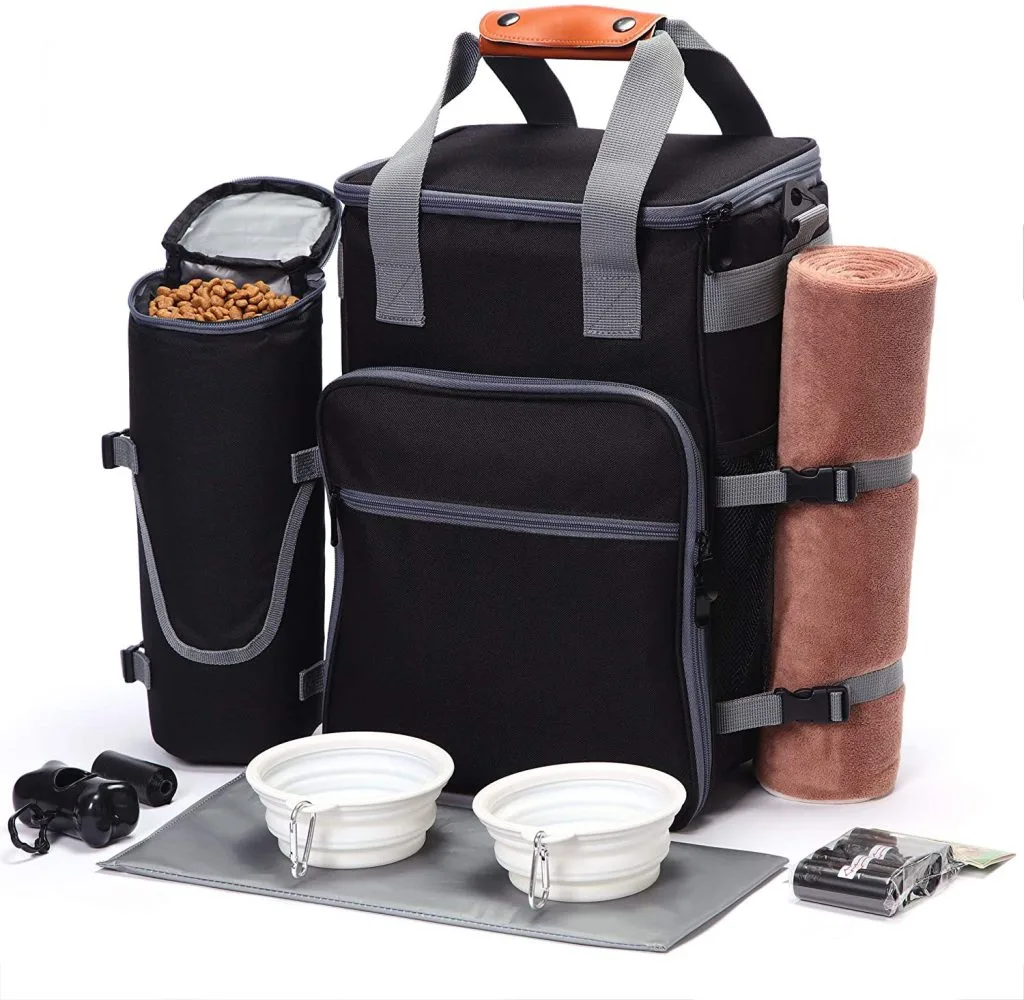
The most manageable wholesale format combines a purpose-built bag with durable organizational tools. Suitable inclusions include a document wallet, collapsible bowl, absorbent cloth, waste-bag dispenser, empty labeled pouches, LED-free reflective marker, and a laminated inventory card. These pieces have long shelf lives and can be inspected against objective specifications.
Food, bottled water, medication, disinfectant, batteries, chemical warmers, and topical treatments introduce expiry dates, storage limits, dangerous-goods questions, or medical implications. A buyer can source them locally under a separate controlled program, but they should not be added casually to an imported soft-goods set. Empty containers should be marked as storage only and should not carry dosing or treatment instructions.
Restraint products also need their own evaluation. A basic leash, collar, harness, or tether is not universal across species and sizes. If supplied, it requires dimensions, working-load expectations, hardware checks, and clear fit limits. Many broad distribution programs are safer when they provide a labeled restraint compartment and ask recipients to add the animal's correctly fitted equipment.
Component colors should support recognition. A red or orange document wallet, blue feeding pouch, and gray cleanup zone can create a simple visual system. Avoid relying on color alone where multilingual or accessibility needs apply; pair color with icons and printed names. Every component should carry an internal code so the inspector and program operator can identify missing or revised pieces.
| Preparedness module | Recommended supplied item | Owner-added category | Primary control |
|---|---|---|---|
| Records | Zipped document wallet | Copies and contacts | Water resistance |
| Feeding | Collapsible bowl | Food and water | Material evidence |
| Cleanup | Cloth and waste holder | Waste rolls and wipes | Colorfastness |
| Health | Empty labeled pouch | Prescribed medication | No medical claim |
| Movement | Reflective marker | Correctly fitted restraint | Visibility test |
A long-life emergency kit should supply organization and leave perishable, prescribed, and size-sensitive essentials refreshable by the owner.
Specify a Grab Bag for Visibility, Access and Storage
The bag must be easy to identify under stress and stable during long periods of storage. A rectangular 10-18 liter format works for many household programs because it fits shelves, vehicle compartments, and larger travel carriers without becoming difficult to lift. The opening should expose labeled modules immediately. Deep narrow totes force users to unpack the kit before locating records or cleanup supplies.
Use a bright shell panel or high-contrast identification patch, but do not assume one color is recognized as an emergency standard in every market. Reflective trim improves visibility during low-light movement. A clear covered information window can hold household and contact details while protecting privacy when the bag is displayed in retail. Place it where it can be turned inward or covered after purchase.
A coated 600D polyester shell offers a balanced entry specification. Premium programs may use 900D fabric, a reinforced coated base, and protected zippers. Water resistance should be described honestly: a coated shell and storm flap resist rain, but untreated seams do not create a waterproof article. A removable inner liner or separate sealed pouch gives better protection for papers and damp items than an unsupported whole-bag claim.
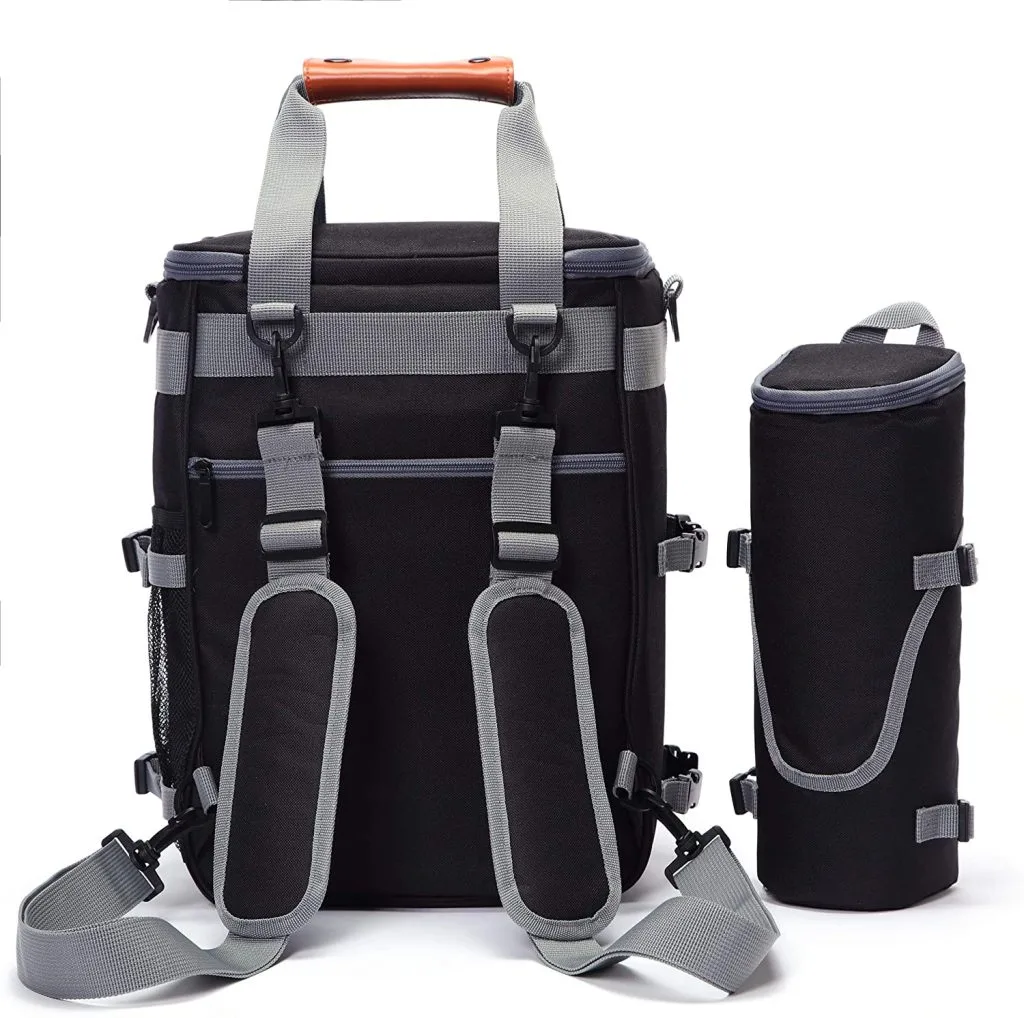
Handles should be sized for gloved use where winter or disaster-response channels are relevant. A removable shoulder strap can help, but attachment points need a documented working load. The bag may be packed heavier by the owner than it is at retail, so test it at a realistic filled load such as 8-12 kg. A light bag with weak anchors becomes a failure precisely when rapid movement is required.
Storage aging matters. Folded reflective tape, elastic loops, coatings, and printed labels can change over time. Buyers should request accelerated-aging or material-stability evidence where the program promises multi-year storage, and they should recommend periodic content review on the package.
An emergency bag should remain recognizable, accessible, and liftable after years on a shelf, not merely look organized in its launch photograph.
Create Checklists Without Making Unsafe Promises
Printed preparedness content can be more valuable than another low-cost accessory, but it also creates responsibility. The insert should function as an inventory and reminder system, not as personalized veterinary, evacuation, or treatment advice. Use category prompts, writable dates, and official-resource directions. Do not prescribe medication quantities, food rations, or first-aid procedures for unknown animals.
A useful card has sections for pet identification, microchip number, veterinary contact, emergency contact, feeding notes, medication list completed by the owner, vaccination-copy reminder, current photograph, and date of last kit review. It can also prompt owners to check local shelter policies and transport requirements. The wording should distinguish supplied items from items the household must add.
US-facing programs can direct users to the American Veterinary Medical Association for animal-care resources and to relevant local emergency agencies. Border or evacuation travel may also require current documentation; the CDC animal importation information is a recognized source for US entry topics. Buyers should have legal or compliance teams approve any jurisdiction-specific content.
Use a separately coded insert rather than printing detailed guidance permanently on the bag. Paper can be revised when recommendations, partners, languages, or QR destinations change. The bag can carry only stable identification such as the product name, owner field, and general instruction to review contents regularly.
QR codes should lead to a maintained page controlled by the program owner. Test contrast, quiet zone, and scanning after print production. Provide a short printed fallback because connectivity may be unavailable during an emergency. Multilingual versions need professional review and distinct artwork codes to prevent packing errors.
Preparedness content should help owners organize verified information, not turn a soft-goods supplier into an emergency authority.
Model Price, Sponsorship and Program Economics
Emergency-kit pricing depends on whether the buyer purchases an empty organizer, a durable-goods set, or a locally completed program. An empty structured grab bag with labeled zones may cost USD 6.50-11.00 FOB Xiamen. A durable kit with bowl, cloth, document wallet, pouches, reflective marker, and printed guide commonly costs USD 10.00-17.00. Higher-spec weather protection, upgraded hardware, multilingual sorting, and presentation packaging can move the unit to USD 18.00-24.00 or more.
For retail, work backward from landed cost and required gross margin. For sponsored distribution, calculate cost per household reached, including regional inserts, sorting, case labels, and delivery points. A sponsor may value a broad decoration panel, but over-branding can make recipients less likely to keep the bag visible. A removable sponsor panel or restrained woven label preserves practical credibility.
Line-item quotation is essential. Separate the bag body, each accessory, print, kitting, testing allowance, individual packing, and master cartons. This lets program managers replace a component or localize inserts without requesting an entirely new price. It also shows whether a low quote omitted assembly checks or used a less protective bag structure.
Value engineering should protect visibility, handle strength, document protection, and identification. Cost can be reduced by using stock shell colors, one common bag body across regions, paper dividers instead of molded trays, owner-supplied consumables, and a standard bowl color. A premium rigid gift box rarely improves preparedness performance and increases cube; a belly band or folding sleeve is usually more efficient.
Container and parcel costs should be modeled from actual packed dimensions. Emergency bags are often shipped partly empty to leave room for owner additions, which means buyers can pay freight for air. Controlled flat packing may help if the product can recover shape and the retail channel accepts final assembly.
The best program economics place money into retrieval, protection, and information rather than decorative bulk or short-life fillers.
Schedule MOQ, Regional Versions and Production Gates
MOQ is 500 units per colorway for a standard bag or completed durable-goods set. Regional programs can share the same shell while varying inserts and outer labels, provided each print run meets the packaging supplier's practical minimum. This is often more economical than changing bag decoration for every location. Use distinct suffixes and carton marks for each region to prevent distribution errors.
Sampling should begin with a capacity and access mock-up. Pack representative owner-added items, lift the bag at the planned full weight, locate records in low light, and test the information window. The second stage confirms exact materials, visibility treatments, logos, and component colors. The pre-production sample must include the final checklist version, language, barcode, packing sequence, and case label.
Samples take 6-10 working days after the specification and component list are approved. Bulk requires 35-50 days following final sign-off and deposit. Printed material deadlines should be earlier than the packing date because late language changes can stop every completed bag from shipping. Laboratory reports and third-party inspections also need space in the calendar.
Preparedness demand may be seasonal or event driven. Buyers should not wait for a forecasted storm or fire season to begin production. Plan arrival before the education campaign, retail reset, or public distribution date. Reorder triggers should account for both production and destination transport, and insert revisions should be managed independently from durable inventory.
Standard terms are T/T 30/70 and FOB Xiamen. Buyers comparing partner facilities should hold the Incoterm, kit contents, packing, and testing scope constant. The SGS-verified production base covers 4,950 square meters with 137 people, 7 lines, 149 equipment units, and approximate monthly capacity of 200,000 pieces, but component evidence and artwork approvals still govern readiness.
Regional preparedness programs scale best when the durable bag stays common and updateable information remains a controlled insert.

Inspect for Completeness, Traceability and Stored Reliability
Emergency kits need a stricter count discipline than ordinary bags because recipients may store them unopened until a high-pressure event. A missing component may remain invisible for months. The approved bill of materials should list each item, internal code, dimensions, color, material reference, label, and exact packing position. Photographs should show both the open kit and every layer removed.
Incoming inspection verifies material lots, component declarations, quantities, print versions, reflective performance, and closure specifications. During production, check reinforcement at handles and strap anchors, base shape, information-window clarity, module fit, and access order. Components sourced from partner facilities should be quarantined until documents and visual samples match the approved code.
Final inspection at AQL 2.5 must select sealed units across cartons. Inspectors count all supplied items, scan codes, verify region and language, inspect for sharp edges or odor, operate zippers and buckles, and load the bag to its stated working weight. Document wallets and sealed pouches should undergo their defined water-resistance checks. Critical defects include unsafe points, materially false labels, or failed load-bearing handles. Missing items, wrong inserts, failed closures, and unreadable barcodes are major.
For storage reliability, keep production-date and lot records. Buyers may add a review date on the consumer insert even when the durable components do not expire. Retention samples should be checked periodically for coating tackiness, elastic degradation, print transfer, corrosion, and adhesive failure. Test frameworks can draw on methods available through ASTM International, while SGS can provide independent inspection or laboratory services.
Receiving inspection should reconcile the packing list with regional allocations before cartons enter long-term storage. Scan a sample of unit barcodes, open cartons from the beginning and end of the shipment, and verify that information cards are readable and current. Storage areas should protect coated textiles and paper inserts from excessive heat, moisture, and compression.
When units are held for several seasons, inspect retention stock before redistribution. A small review of zippers, coatings, reflective panels, adhesives, and print can identify aging before a public handout. Record the result against lot and storage location so old and new stock are not mixed without evaluation.
An emergency kit is reliable only when its contents, revision, and material lot remain traceable long after the retail carton is sealed.
Plan Refresh Cycles and Adjacent Preparedness SKUs
Preparedness inventory should be designed for review rather than forgotten after sale. The physical bag may have a long service life, while owner-added food, water, medication, batteries, and documents require different refresh dates. The supplied checklist should make those cycles visible without claiming one universal interval. A writable last-reviewed field and separately coded replacement card are low-cost tools.
Program owners need their own review process. At least once per selling cycle, confirm that printed references, QR destinations, languages, and partner contacts remain current. Check whether component materials or suppliers changed and whether existing reports still apply. Review returns and field feedback by issue: missing piece, zipper, handle, water ingress, misleading capacity, print version, or component deterioration.
Build adjacent SKUs around distinct risks rather than cosmetic themes. A household emergency organizer can lead to a compact vehicle kit, a travel-document module, or an empty first-aid pouch. Medical storage should remain separate from general preparedness claims and should be developed with appropriate expert content review. A pet first aid kit therefore needs a different product brief, even if it shares shell fabric with the emergency bag.
Retailers can connect the range to a pet travel kit or pet dry bag where evacuation and weather protection overlap. Do not duplicate components unless the use case supports them. Shared dimensions, labels, and colors can reduce procurement cost while the module names and functions stay clear.
Forecast reorders around campaigns and geographic demand, keeping a buffer of blank or universal bags if regional inserts change frequently. The 35-50 day production window requires decisions before visible shortage.
A preparedness range remains trustworthy when durable hardware, changing information, and owner-refreshed supplies each follow their own controlled lifecycle.
Set Procurement Controls for Institutional Distribution
Institutional buyers need controls beyond a standard retail purchase order. Municipal programs, insurers, employers, shelters, and nonprofit distributors may send the same physical bag to many locations with different languages, sponsor marks, or local inserts. The procurement file should separate universal components from variable regional materials and assign a responsible approver to each version.
Create a distribution matrix listing destination, unit quantity, insert code, language, barcode, carton mark, sponsor panel, and delivery point. The kitting line should scan or visually verify this matrix before sealing units. Master cartons should never contain mixed regional versions unless the receiving organization has explicitly requested and labeled that pack. A wrong insert can undermine an otherwise perfect production run.
Privacy deserves attention when the bag includes owner-information fields. The supplier can provide a covered window or blank record card, but completed personal information should normally be added after distribution rather than collected in the manufacturing process. Packaging photography should use fictional example data. Digital registration, if offered by the program owner, needs its own privacy and security review outside the bag specification.
Contract documentation should define substitutions, audit access, record retention, incident reporting, corrective action, and ownership of unused branded components. If a sponsored campaign is cancelled, printed panels and inserts need an agreed disposal or rework plan. Universal unbranded bags reduce this exposure and can be paired with removable sponsor sleeves closer to distribution.
Run a small packing pilot before full regional allocation. Send representative cartons through the receiving process and ask local staff to confirm carton weight, count, insert accuracy, data fields, and handout speed. Their feedback may identify a case-pack or labeling issue that product testing cannot reveal.
After distribution, collect structured field reports rather than general satisfaction scores. Ask whether the bag was identifiable, the checklist understandable, modules accessible, and owner-added supplies easy to place. Feed those findings into the next controlled revision.
Define acceptance and escalation before delivery. Receiving teams should know how to quarantine cartons with incorrect regional labels, report missing components, and preserve lot information. The purchase agreement can name response times and evidence needed for corrective action without promising operational outcomes outside the product scope. A controlled spare quantity of universal components and blank inserts may resolve small distribution shortages more efficiently than reopening finished cartons.
Financial reporting should also separate durable unit cost, localization, freight, and field distribution. This lets sponsors and program owners compare cost per correctly delivered household rather than only the FOB price. It also makes future regional expansion easier to budget.
Institutional emergency-kit procurement succeeds when regional accuracy, privacy, brand ownership, and receiving workflow are controlled as tightly as the physical bag.
Why brands source here
- Pet bag programmes run since 2014; founding team in sewn goods since 2004
- SGS-verified production floor of 4,950 m² with 137 workers across 7 lines
- Monthly capacity of 200,000 units, audited to BSCI and ISO 9001
People Also Ask
What should be in a pet emergency kit?
A durable wholesale kit can supply a grab bag, document wallet, collapsible bowl, cleanup cloth, waste holder, empty labeled pouches, reflective marker, and checklist.
How much does a wholesale pet emergency kit cost?
Empty organizers often cost USD 6.50-11.00 FOB Xiamen, while durable-goods sets generally cost USD 10.00-24.00 depending on weather protection and contents.
How large should a pet emergency bag be?
A 10-18 liter rectangular bag suits many household programs, but capacity should be validated with the exact supplied and owner-added contents.
Is a pet emergency kit waterproof?
Most bags are water resistant. Coated fabric, protected zippers, a reinforced base, and a sealed document pouch offer practical protection without overstating the whole bag.
How often should an emergency kit be reviewed?
Owners should review it regularly according to the dates on food, medication, batteries, records, and local guidance rather than rely on one universal interval.
Can emergency kits be used for public distribution?
Yes. Common bags can be packed with region-specific, professionally reviewed inserts and sorted by language or destination under controlled SKU codes.
Frequently Asked Questions
What is the MOQ for a wholesale pet emergency kit?
The standard MOQ is 500 bags or durable-goods sets per colorway. Regional inserts can vary within a common bag program when print minimums and identification controls are met.
How long does emergency kit sampling take?
Samples normally take 6-10 working days after capacity, components, materials, artwork, and checklist content are approved.
What is the production lead time?
Bulk production takes 35-50 days after final sample approval and deposit, excluding testing, inspection, transport booking, and destination delivery.
Can the kit be supplied as an empty organizer?
Yes. An empty labeled bag lets retailers or program partners add locally sourced consumables under their own compliance and shelf-life controls.
Can medication be included?
Medication should be managed by qualified local channels and the pet owner. The imported kit can include an empty labeled storage pouch without dosing or treatment claims.
How are multilingual versions controlled?
Each language insert receives a distinct artwork code, barcode or SKU suffix where needed, approved quantity, packing instruction, and carton mark.
What payment terms apply?
Standard payment is T/T 30/70 with quotation FOB Xiamen. Other terms should keep the same inspection and packing scope for comparison.
Can a sponsor logo be added?
Yes. A restrained woven label, transfer mark, or removable panel usually preserves practical use better than covering every component with branding.
How much weight should the grab bag hold?
The working load depends on capacity, but many household formats should be tested at 8-12 kg because owners add water, food, and equipment after purchase.
How are sealed pouches checked?
The purchase specification should define a water or seepage test, exposure time, fill condition, and acceptable result for each protected pouch.
Can reflective materials be used?
Yes. Reflective tape or patches improve low-light recognition, but their location, initial performance, and storage stability should be approved.
What files should accompany a repeat order?
Use revision-controlled specifications, component codes, material documents, artwork, language matrix, packing photographs, inspection reports, and retained samples.
Talk to QUANZHOU JUNYUAN BAGS about a wholesale pet bag order: MOQ 500 pieces per colourway, samples in 6-10 working days, bulk production in 35-50 days under AQL 2.5 inspection.
Get a free quote Request a sample