Pet Travel Kit: Wholesale Essentials, Cost and MOQ
A wholesale pet travel kit should organize 5-8 journey essentials in a compact bag, fit the target transport mode, and cost roughly USD 9.00-21.00 FOB Xiamen at MOQ 500 sets per colorway. Buyers get the best margin by defining road, rail, air, or hotel use before choosing components.
Travel kits are not miniature luggage collections. They are systems for controlling documents, feeding accessories, cleanup items, and short-term organization while keeping the packed volume acceptable for a retailer, marketplace, or travel partner. The buyer should start with a journey map and specify what the kit must make accessible at departure, in transit, and on arrival. Airline-oriented programs need conservative wording and current carrier references; road-trip programs need better liquid separation and rapid access.
Our commercial baseline is MOQ 500 sets per colorway, samples 6-10 working days from a frozen specification, bulk 35-50 days after approval, and final inspection at AQL 2.5. Standard terms are T/T 30/70 and FOB Xiamen. The production team coordinates the travel organizer, textile components, packaging, and documented accessory partners through an SGS-verified production base. Buyers should not present a general accessory kit as approval for animal transport or as a substitute for a compliant transport container. The profitable product is a well-scoped companion to the journey: low in regulatory risk, high in repeated utility, easy to inspect, and compact enough that freight does not consume the planned channel margin.
A wholesale dog carrier order and a wholesale cat carrier order rarely share one mould, so the Pet Bag Types & Styles decision has to be locked before tooling money moves. Wholesale pet carriers built on a single shared shell platform let a buyer cover both species from one fabric purchase, which is usually where the first real saving appears.
Map the Journey Before Building the Assortment
Travel behavior changes by transport mode, duration, destination, and animal size. A two-hour road trip needs rapid access to water, waste supplies, and cleanup textiles. A rail journey values quiet organization and compact dimensions. An air itinerary puts documents, collapsible feeding pieces, and carrier-compatible storage at the center. A hotel or holiday-rental program may place more emphasis on surface protection and temporary storage after arrival.
Create three lists: items used before departure, items required in transit, and items needed at destination. The travel bag should place frequent-access pieces near the opening and isolate anything damp or soiled. This exercise often removes decorative components that looked attractive on a concept board but serve no defined point in the trip. It also reveals whether one bag is enough or whether a removable wet pouch adds genuine value.
Travel duration should set capacity. A day-trip kit may be 3-5 liters and carry a bowl, towel, waste rolls, and documents. A weekend accessory bag may need 8-12 liters and room for measured food containers supplied by the user. Longer trips are better served by modular packing pieces than by one oversized kit that becomes heavy and difficult to merchandise.
Do not combine the accessory organizer with claims belonging to a travel carrier or aviation authority. A pet travel kit can support preparation but cannot guarantee cabin acceptance, border entry, or animal suitability. Requirements vary by airline and jurisdiction. The package should tell buyers to check current rules and measured carrier limits for the specific journey.
Channel teams should sign the journey brief before sampling. An outdoor retailer, airline loyalty program, pet chain, and online travel brand will prioritize different details even at the same target cost.
A travel kit earns repeat sales when every compartment corresponds to a real step in the buyer's journey map.
Select Essentials That Stay Useful Across Trips
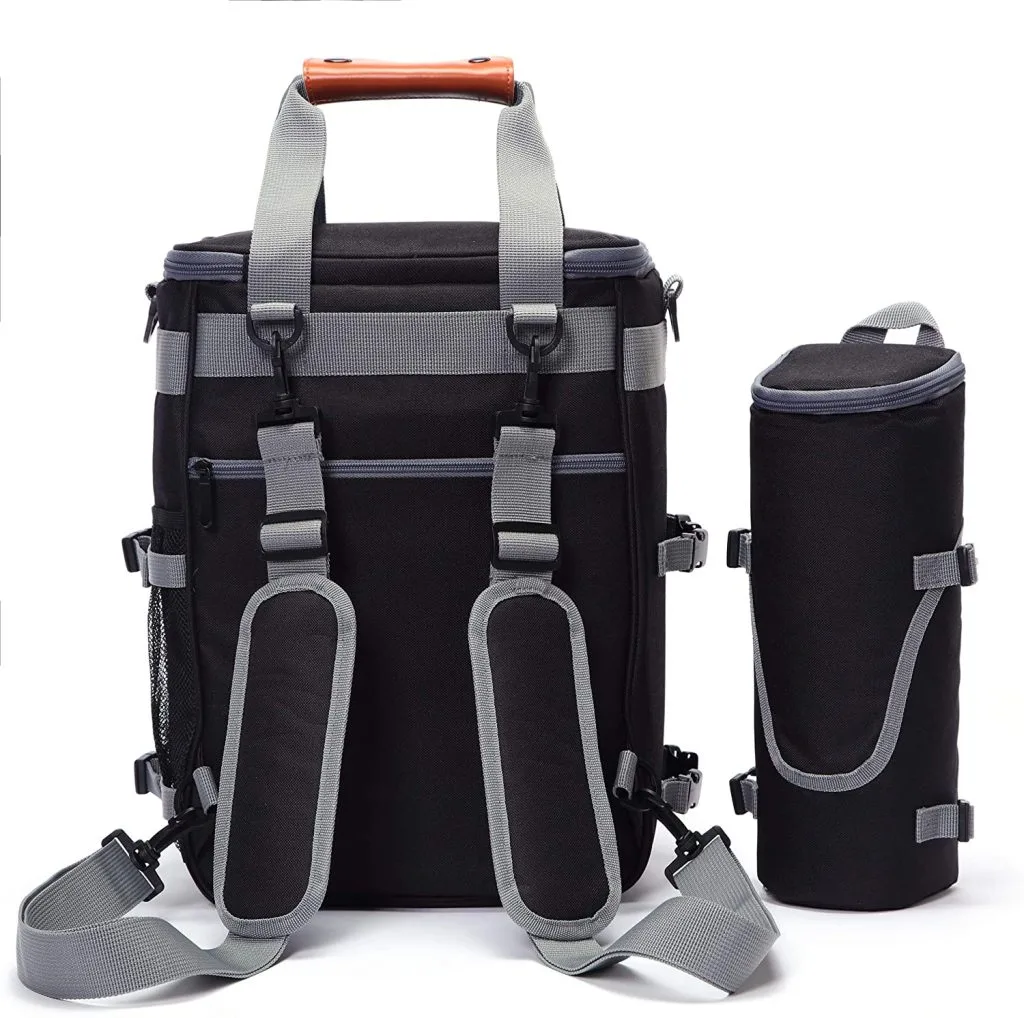
A reliable travel assortment starts with a zippered organizer or small duffel and adds components that are durable, compact, and easy to document. A collapsible bowl, absorbent towel, waste-roll pouch, document wallet, and removable wet pocket cover most short journeys. A food scoop or sealed empty container may fit road programs, but buyers should avoid supplied food, medication, and liquids unless they are prepared for separate regulatory and shelf-life controls.
The main bag should represent roughly half of the product cost and perceived value. It needs broad access, an upright packed shape, and handles that tolerate the full working load. Internal dividers should be removable or flexible because users carry different contents after the initial trip. A light-colored lining improves visibility, while a coated base protects against damp floors and luggage-cart abrasion.
Component selection should minimize incompatibility. Bowls need a stated open volume; document sleeves need to fit the destination's common paper size; bottles and containers need leak tests; car attachments require load and vehicle-use evidence. Avoid generic restraint clips presented as universal safety devices. If a program includes a tether or seat attachment, treat it as a separately specified load-bearing product rather than a promotional extra.
Useful upgrades include a washable feeding mat, a ventilated laundry pouch, or a labeled medication organizer supplied empty. The last item must be described only as storage, with no dosing or health promise. A removable shoulder strap benefits airport and station use, but it should not cover external pockets or drag when the kit is set down.
| Travel component | Recommended specification | Typical FOB allowance | Main risk |
|---|---|---|---|
| Organizer bag | 5-10 L, coated base | USD 5.00-9.50 | Overpacking and balance |
| Collapsible bowl | 400-750 ml open volume | USD 0.75-1.70 | Material documentation |
| Absorbent towel | 30 x 50 cm microfiber | USD 0.60-1.30 | Dye transfer |
| Document wallet | Zipped, splash resistant | USD 0.45-1.10 | Wrong paper format |
| Wet pouch | Sealed coating, removable | USD 1.10-2.40 | Leakage and odor |
The best travel essentials are compact enough to pack every trip and durable enough to remain after the gift packaging is discarded.
Separate Airline References From Product Claims
Air travel creates strong search demand but also the highest risk of inaccurate merchandising. Airlines control cabin dimensions, animal eligibility, booking procedures, route restrictions, and seasonal rules. Government agencies control entry requirements. A pet travel kit can organize paperwork and accessories, but it cannot make a carrier, animal, or itinerary compliant by association.
Buyers developing an air-oriented version should use the Federal Aviation Administration guidance for travelers flying with pets as a reference point for US journeys and review airline policies at the time of sale. International cargo and animal transport planning can refer to the International Air Transport Association. Entry rules may also involve health certificates, vaccination records, import permits, and destination-specific timing that change independently of product production.
The kit's safe role is organizational. A bright document wallet can hold copies of records, a checklist card can prompt travelers to confirm current requirements, and a compact bowl or absorbent pad holder can support layover routines. Avoid printing fixed airline size limits or universal approval symbols on long-life packaging. Those statements can become obsolete while inventory remains in the warehouse.
For airport retail, the outer pack needs an immediate component inventory and dimensions in both metric and imperial units where relevant. The organizer should fit within a larger personal-item strategy without promising that it qualifies as a personal item. Security inspection also favors wide openings and removable pouches, because opaque fixed dividers slow access.
If the kit is bundled with a separate travel carrier, maintain distinct SKUs, test files, and claims. The organizer's quality inspection does not establish the carrier's ventilation, escape resistance, or dimensional suitability. Marketing images should make the separation clear.
Travel regulation should shape the information architecture of a kit, never become an unsupported approval claim printed on it.
Specify Materials for Spills, Abrasion and Repeated Packing
A travel kit experiences more surface contact than a home organizer. It sits on car floors, station benches, luggage carts, hotel tiles, and outdoor ground. The shell therefore needs abrasion resistance and cleanability, while the base needs better moisture protection than the upper panels. A 600D or 900D polyester shell with a controlled PU coating is a dependable commercial baseline. Premium programs may use lighter high-tenacity nylon or documented recycled polyester.
Water resistance should be described by construction level. A coated fabric does not make the complete bag waterproof because zippers and seams remain entry points. For most travel kits, a water-resistant shell, protected base, and removable sealed wet pouch provide better cost performance than fully taped seams. Buyers should reserve waterproof claims for products tested as complete articles under a defined method.
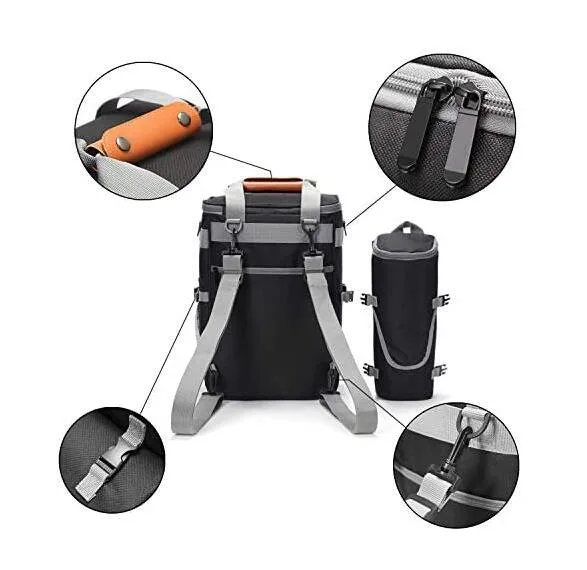
Hardware must tolerate repeated opening and a packed load. Specify zipper size, puller type, webbing width, buckle resin, and handle reinforcement rather than accepting generic heavy duty language. A 6-8 kg working load is suitable for many weekend organizers, even if expected contents are lighter, because users frequently add bottles or personal items. Repeat lift testing should use the filled sample.
Interior colors should balance visibility and stain appearance. Pale gray or sand allows users to find small items but hides routine marks better than white. Removable dividers need sufficient hook-and-loop engagement so they do not collapse into the contents. Elastic bottle loops should be sized around specified diameters and tested after conditioning, since loose elastic creates spill risk.
Chemical documentation must match the actual coatings, prints, and hardware finishes. EU programs can reference information from the European Chemicals Agency, and textile certification options are described by OEKO-TEX. Test requirements should be defined by destination and retailer policy.
For a travel kit, cleanability and packed-load performance are more valuable than an unsupported claim based only on fabric denier.
Calculate Price by Module and Shipping Cube
Travel kits cover a wide price range because the words travel essentials describe both a small pouch and a complete weekend system. Buyers need module-level quotes to compare like with like. Ask for separate prices for the main bag, removable wet pouch, each accessory, decoration, retail packaging, kitting labor, and master-carton packing.
An entry five-piece set generally costs USD 9.00-12.00 FOB Xiamen. A structured bag with a documented bowl, towel, document wallet, and wet pouch commonly falls at USD 12.50-17.50. A premium weekend program with upgraded fabric, molded containers, metal hardware, and shelf presentation can reach USD 18.00-28.00. These ranges assume standard components rather than new molds.
Fabric and sewing may account for 40-50 percent of the product cost, accessories 20-30 percent, packaging 10-18 percent, and kitting plus quality control the balance. The expensive feature is often not visible: a fully sealed removable compartment, structured base, or stable bottle system can cost more than another decorative accessory. Buyers should protect the features that prevent spills and disorganization because they drive real reviews.
Cube can change the landed-cost ranking. Rigid bottles, bowls, and dividers prevent compression, while large gift boxes multiply parcel and container volume. Request unit packed dimensions, gross weight, master-carton dimensions, carton count, and container estimate with every quote. A lower FOB set that ships 25 percent fewer units per cubic meter may be the more expensive program at the warehouse.
Value engineering should nest components, use folding containers, remove duplicate storage pieces, and share the bag body across good-better-best tiers. Increasing volume from 500 to 3,000 sets can improve purchasing leverage, but it does not repair poor cube efficiency. Test both retail-ready and e-commerce pack options.
The correct cost target for a travel kit is landed cost per usable journey, not the lowest FOB price per included item.
Coordinate MOQ, Samples and Departure-Date Planning
MOQ begins at 500 sets per colorway for standard travel bag constructions. Every module may carry its own sourcing minimum, particularly custom-color molded parts, printed food containers, specialty waterproof zippers, and retail cartons. The quotation should disclose those dependencies and show whether extra components will be held, packed as spares, or invoiced separately.
The first sample should test the journey, not the artwork. Fill a stock-color organizer with every intended item, place it inside the expected luggage or shelf environment, carry it through access steps, and measure the final pack. Move pockets and dividers at this stage. A second sample can confirm exact fabrics, logos, and colors. The pre-production sample should include final labels, warnings, barcode, packing sequence, and master-carton plan.
Samples require 6-10 working days once dimensions and component references are final. Bulk production takes 35-50 days after signed approval and deposit. A seasonal travel launch must also include compliance testing, inspection, port booking, transit, customs, and distribution appointments. Working backward from the warehouse delivery date prevents the buyer from compressing quality checks to recover time lost in artwork reviews.
Destination calendars matter. Summer road-trip inventory may need to arrive before spring retail resets, while year-end travel gifts compete for both production and freight capacity. Forecast by trip season and channel rather than using one annual average. Reorders should be triggered while several weeks of stock remain because the production lead time alone can exceed a marketplace's sell-through window.
Use T/T 30/70 and FOB Xiamen as the common commercial comparison. The production network supports combined orders across travel and adjacent pet bag lines, allowing buyers to share fabrics or container space where specifications align. However, mixed orders do not remove component lead times.
A travel-kit launch date is credible only when the sourcing calendar includes approvals, evidence, inspection, and transport after production.
Inspect Function, Count and Transit Presentation
Inspection should recreate the stresses of packing and travel rather than focus only on sewing appearance. At incoming control, the production team verifies shell fabric, coating, color, zipper specification, accessory dimensions, material documents, print files, and component quantities. During assembly, inspectors check divider placement, wet-pouch fit, bottle-loop size, handle reinforcement, and the sequence used to pack each set.
Final inspection at AQL 2.5 should draw sealed units from different cartons and production periods. The inspector opens each kit, counts components, scans the barcode, compares labels to the approved market version, and operates all closures. The main bag should be loaded to the specified working weight and lifted repeatedly. The wet pouch needs a defined leak or seepage check, the bowl needs dimensional and visual review, and dyed textiles should be assessed for transfer risk.
Defect classification must reflect customer impact. A sharp edge, wrong compliance statement, failed handle, or leaking closed component is critical or major according to the buyer's protocol. A missing accessory, unreadable barcode, broken zipper, severe shade mismatch, or incorrect document insert is major. Small surface marks hidden inside the product may be minor if they do not affect use or presentation.
Transit assessment needs both retail and master packaging. Parcel programs should undergo a packed-unit drop sequence, while wholesale cartons need compression, moisture, and stack checks. Recognized methods can be sourced through ASTM International, and independent verification is available from organizations such as SGS.
Retain a sealed sample, an unpacked reference, inspection images, and current evidence by component code. These records speed claims analysis and protect repeat-order consistency.
Use a defect dashboard after launch. Separate missing components, damaged packaging, broken closures, wet-pocket transfer, incorrect dimensions, and misunderstood transport claims. Match every issue to the production lot and sales channel. A high return rate from one marketplace image may require a content correction rather than a product rebuild, while repeated zipper failure across channels needs structural action.
Before reordering, compare retained production samples with a returned unit and a newly proposed sample. This three-way review can reveal normal use wear, a lot variation, or an unapproved material change. Document the conclusion and carry any revised acceptance test into the purchase order.
A travel kit passes inspection only when its contents remain complete, accessible, and presentable after the distribution journey.
Build a Travel Range That Can Expand Without Duplication
The first travel kit should be narrow enough to measure. One compact day-trip SKU and one weekend SKU usually reveal more useful demand data than five cosmetic variations. Both can share the same color system and selected accessories while using different organizer capacities. This approach concentrates material purchasing without forcing every customer into the larger pack.
Track sales by trip type and channel. Road-oriented customers may value the wet pouch and wide opening, while airline-focused listings may receive more engagement around documents and compact dimensions. Hotel partnership programs may prioritize washable mats and neutral branding. Returns should be coded separately for dimensions, missing items, leakage, hardware, misleading claims, and packaging damage.
Design modules so a buyer can upgrade one function at a time. A standard towel can become a larger mat, a document sleeve can become a removable passport wallet, and an unstructured base can become a protected tray. Avoid changing every material with each tier because that multiplies test files and color approvals. A stable anchor bag also lets the retailer sell replacement or expansion modules.
Reorder records should include component codes, suppliers, materials, dimensions, color standards, packaging revision, and test-report applicability. If a bowl resin or coating changes, the documentation must be reviewed before the new lot is treated as equivalent. Maintain an editable checklist insert so regulatory references can be updated without scrapping the durable product.
Range extensions can connect naturally to a new-owner starter kit or a waterproof pet dry bag, but overlapping SKUs should have distinct journey roles. One clear trip promise per product makes assortment planning and search positioning easier.
A scalable travel range reuses proven modules while keeping day trips, weekend use, and regulated transport preparation commercially distinct.
Prepare Product Data for Retailers, Marketplaces and Travel Partners
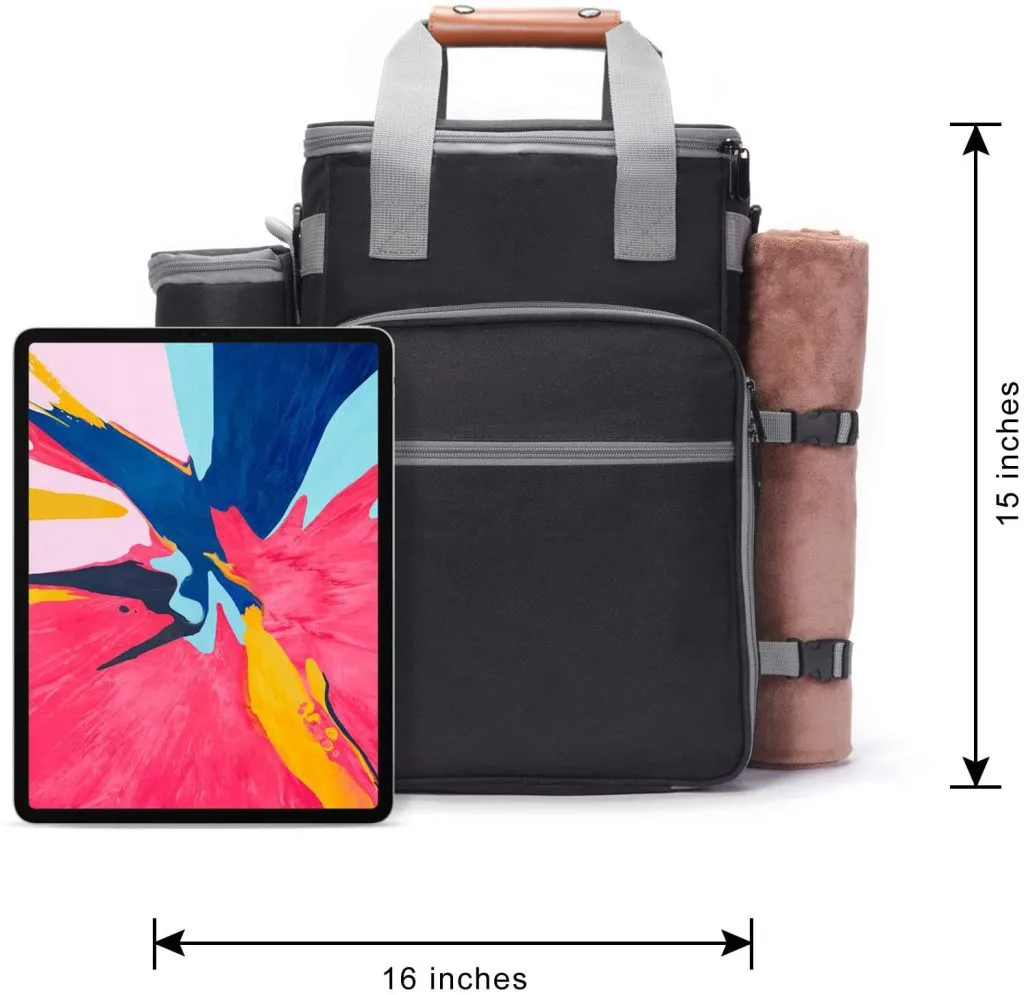
Travel products generate detailed pre-purchase questions, so the commercial data pack should be built with the sample. At minimum, provide finished external dimensions, usable capacity, empty weight, recommended working load, shell and lining materials, compartment dimensions, supplied-component inventory, care instructions, packed dimensions, carton quantity, country of origin, and the exact water-resistance language. These values must match the tested production sample.
Photography should answer operational questions. Show the organizer empty, filled with the listed components, carried, opened on a flat surface, placed inside representative luggage, and packed for retail. Include a dimension graphic and a clear statement that airline, rail, hotel, and border requirements are controlled by the relevant provider or authority. Avoid showing unlisted accessories without an illustrative label because customers often interpret every visible object as included.
Marketplaces need consistent data across title, bullets, image text, specification fields, and package. A bag described as 10 liters in one place and 12 liters elsewhere will create avoidable returns. If capacity is calculated geometrically, also give a realistic reference load after dividers and closure allowance. Barcode, model, color, and component count should be identical on the unit, carton, invoice, and inspection report.
Travel partners may require co-branded insert cards, destination sorting, or reservation references. Keep variable information on separately coded cards rather than printing it permanently on the organizer. This allows regional or policy updates without discarding durable inventory. The buyer should control every QR destination and maintain a printed fallback for essential contact information.
Provide a compliance folder containing signed specification, material declarations, applicable reports, claim matrix, artwork, inspection standard, and a high-resolution photograph of the approved packed unit. A retailer onboarding team can review this file faster than scattered email attachments, reducing the risk that launch content is invented after production.
Ask the warehouse team to validate case dimensions and handling before the first order closes. Travel kits often contain mixed soft and rigid pieces, so the theoretical carton plan may shift when real units are packed. A short receiving trial can confirm case weight, label visibility, scan performance, pallet pattern, and whether the organizer recovers its intended shape after compression. Record the result in the data pack for future replenishment.
Complete and consistent product data turns a travel kit from a vague bundle into a retail-ready SKU that channels can list without expanding its claims.
Order and quality terms
- MOQ 500 pieces per colourway; samples in 6-10 working days
- Bulk production 35-50 days after approval; AQL 2.5 inspection standard
- T/T 30/70 terms, FOB Xiamen, full document set per shipment
People Also Ask
What should a pet travel kit include?
A useful kit includes a compact organizer, collapsible bowl, absorbent towel, waste-roll holder, document wallet, and removable wet pouch.
How much does a wholesale pet travel kit cost?
Typical FOB Xiamen cost ranges from USD 9.00-12.00 for entry kits to USD 18.00-28.00 for premium weekend systems.
What size should a pet travel organizer be?
Day-trip programs often use 3-5 liters, while weekend accessory bags commonly use 8-12 liters, subject to the exact component list.
Are pet travel kits waterproof?
Most are water resistant rather than fully waterproof. A coated shell, protected base, and sealed removable wet pouch provide practical spill control.
Can a travel kit hold pet food?
It can hold user-supplied sealed containers, but included food adds expiration, storage, labeling, and market-specific regulatory obligations.
How do buyers verify airline pet travel rules?
Check the current airline policy, route conditions, destination authority, and recognized guidance such as FAA or IATA resources before each journey.
Frequently Asked Questions
What is the MOQ for a wholesale pet travel kit?
The standard MOQ is 500 sets per colorway for established organizer constructions and available accessories. Special molds or exclusive component colors can require higher individual minimums.
How long does travel kit sampling take?
Samples normally take 6-10 working days after the dimensions, materials, component list, and artwork are frozen.
What is the bulk production lead time?
Bulk production takes 35-50 days after sample approval and deposit. Testing, inspection, booking, and destination transit should be added separately.
Can the kit be marketed as airline approved?
No general kit should claim universal airline approval. Airline and route requirements change, and an accessory organizer does not establish transport-container compliance.
Can travel kits include a collapsible bowl?
Yes, when the supplied material is documented for the intended market and the open capacity is stated clearly.
What payment terms are used?
Standard terms are T/T 30/70 with FOB Xiamen pricing. Alternative terms should be compared using the same product and packing scope.
Can a wet pouch be removed for cleaning?
Yes. A removable sealed pouch is recommended because it isolates damp items and can be inspected or replaced without changing the whole organizer.
How is the organizer load tested?
The finished sample is filled to its specified working load and subjected to repeated lifts, handle checks, base observation, and closure operation.
Can paper travel checklists be updated on reorders?
Yes. Keep the checklist as a separately coded insert so references and partner details can change without revising the durable bag.
Are mixed travel kit sizes possible in one shipment?
Yes, provided each size and color meets its applicable MOQ and is identified by distinct carton, barcode, and component records.
How should travel kits be packed for e-commerce?
Use a closely sized protective mailer or carton, immobilize hard components, verify barcode placement, and test the complete packed unit through a parcel drop sequence.
What records support repeat orders?
Retain signed samples, specifications, component codes, color standards, material evidence, artwork files, packing instructions, and inspection reports by revision.
Talk to QUANZHOU JUNYUAN BAGS about a wholesale pet bag order: MOQ 500 pieces per colourway, samples in 6-10 working days, bulk production in 35-50 days under AQL 2.5 inspection.
Get a free quote Request a sample