Pet Mud Bag: Wholesale Dirty-Gear Specs and Buying Guide
A wholesale pet mud bag should contain 8-25 liters of dirty boots, towels, leads, coats, or outdoor gear in a broad-opening, wipe-clean body, with typical FOB Xiamen pricing of USD 5.50-17.00 at MOQ 500. The buyer should specify soil type, load, cleaning method, and vehicle or retail use before choosing structure.
Mud bags solve a containment and handling problem after walks, training, hiking, field sports, and grooming. Unlike a wet pouch, they must tolerate abrasive grit, bulky irregular equipment, heavier loads, and contact with vehicle floors. Unlike a dry bag, they keep outside dirt away from the surrounding area rather than protecting contents from external water. This distinction should govern material, opening, base, closure, and claims.
Standard commercial terms are MOQ 500 pieces per colorway, samples 6-10 working days after the dirty-gear inventory and performance brief are frozen, bulk 35-50 days after signed approval, and final inspection at AQL 2.5. Standard payment is T/T 30/70 with FOB Xiamen quotation. Our production team develops the soft bag through an SGS-verified production base and can coordinate documented liners, trays, and hardware from partner facilities. Buyers should avoid unsupported odor-proof, disinfecting, or universal leakproof claims. The successful SKU is one that loads without spreading dirt, stands in a boot or utility room, cleans by the stated method, and ships compactly enough to support a healthy wholesale or online margin.
Buyers comparing bulk dog carriers against bulk cat carriers usually find the difference is structural, not cosmetic: Pet Bag Types & Styles sets the base panel and the vent area, and both drive the tooling. Bulk pet carriers ordered across two species still qualify as one programme when the shell platform is shared.
Define Dirty Gear by Soil, Shape and Weight
Mud is only one part of the load. Outdoor pet programs may carry grit-coated leads, wet coats, boots, towels, toys, stake lines, training dummies, bowls, and protective covers. Some items are soft and compressible; others have buckles, rigid soles, or metal clips that abrade lining. A useful sourcing brief lists each item, maximum dimensions, wet weight, edge risk, and expected soil.
Fine sand behaves differently from clay. Sand migrates through mesh and zipper gaps. Wet clay adheres to textured fabric and adds weight. Snow creates free water as it melts. Saltwater exposure introduces corrosion concerns. Grass seeds and hair catch in open weaves. The selected liner and closure should reflect the most demanding expected mixture rather than a clean sample towel.
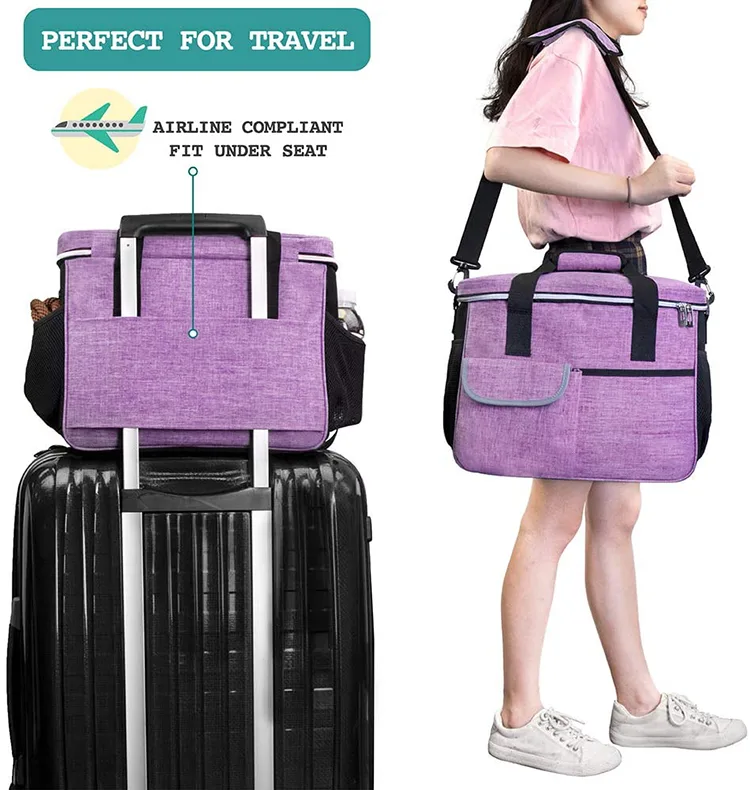
Define where the bag will sit. Vehicle-boot programs need a stable low center, broad base, and handles that do not snag cargo. Utility-room storage can use a taller hamper style. Retail walk kits may need a compact folding sack. Professional dog-sport teams often want stackable rectangular formats and individual identification. These shapes should not share one capacity claim without packed tests.
Estimate the real load. A 20-liter mud bag filled with wet towels and footwear can weigh 10 kg or more. Handles, base, and seams must be rated accordingly. If users may lift the bag by one end, both handle positions need the full test. Shoulder carry can be useful, but dirty exteriors may contact clothing, so many vehicle users prefer short reinforced grabs.
The bag should be described as dirty-gear containment, not as animal transport, waste disposal, or a sealed chemical container. Clear scope guides both inspection and user care.
A mud bag can be engineered correctly only after the buyer converts a vague dirty-items concept into measured soil, shape, and working-load conditions.
Select the Opening and Base for No-Mess Loading
The opening is the defining feature because dirty gear must enter without dragging across clean exterior panels. A wide U-shaped zipper creates excellent access and can expose a washable tray, but zipper teeth require protection from grit. A roll-top opening contains irregular loads and avoids a long zipper, though users need enough clean edge to make the folds. A rigid-rim tote loads quickly in a vehicle but needs a cover for transport.
Low, rectangular bags work well for boots, folded coats, and towels. A structured base lets users place gear rather than push it downward. Tall sacks are more efficient for soft laundry but allow heavy hardware to fall onto the base. The buyer should choose geometry from the item map and vehicle dimensions, not from nominal liters alone.
Base construction can use a removable molded tray, encased PP board, heavy welded panel, or doubled coated textile. A tray gives the easiest cleaning and protects the shell from clips and boot soles. It adds cost and cube. Encased board is lighter but must not absorb water. A flexible welded base packs efficiently but may collapse under irregular loads. Test all options on an inclined vehicle surface.
Internal hard-item sleeves can protect the wall from buckles and stakes. They should be removable because trapped grit acts like sandpaper. External clean pockets are useful for keys or waste rolls but should not share seam paths with the dirty chamber when stronger containment is promised.
| Format | Best load | Typical capacity | Primary tradeoff |
|---|---|---|---|
| Wide zip rectangle | Boots and folded gear | 12-20 L | Grit at zipper |
| Roll-top sack | Irregular wet gear | 10-25 L | Slower closure |
| Rigid-rim tote | Vehicle loading | 15-25 L | Needs cover |
| Flat folding pouch | Lead and small towel | 5-10 L | Limited structure |
| Tray-base carrier | Heavy muddy footwear | 12-22 L | Higher cube |
The best mud-bag opening lets users deposit dirty gear directly onto a protected base without touching the clean carrying surfaces.
Choose Surfaces That Release Grit and Mud
Cleanability is more important than a premium textile hand. Smooth coated surfaces release mud and hair better than deep basket weaves. A 600D polyester shell with stable PU or PVC backing works for value programs, while heavier tarpaulin or TPU-laminated textile suits more demanding outdoor use. The visible outer layer still needs abrasion and print performance.
A removable liner or tray creates the most practical cleaning boundary. Users can lift it out, shake loose grit, wipe residue, and dry it separately. Permanent soft linings collect debris in bound seams and pocket corners. If a removable liner attaches with hook-and-loop, place the mating strips outside the main soil path so they do not fill with hair and sand.
Water-management claims should be localized. A washable tray may contain residual moisture while the upper shell remains only water resistant. A fully welded body offers stronger containment but can trap dirty water and become difficult to empty. Drain plugs add hardware, possible leaks, and cleaning requirements. Many vehicle programs perform better with a removable tray than with a sealed bucket shape.
Color affects appearance after use. Mid-tone gray, olive, brown, and black hide stains, but a lighter removable interior helps users see grit and confirm cleaning. Print should avoid the base and fold zones. Reflective marks may benefit roadside or low-light dog-sport use, subject to abrasion testing.
Material chemistry must match destination requirements. The European Chemicals Agency provides information relevant to EU chemical obligations, while OEKO-TEX explains textile certification options. Coated systems, prints, adhesives, and colors should match the reviewed production specification.
Sample reviews should include a cleaning-effort score. Time how long it takes to remove reference grit from corners, zipper tracks, hook-and-loop areas, and tray edges using the approved care method. A bag can technically become clean yet demand too much labor for a daycare or field team. Simplifying seams or making the liner removable may deliver more value than upgrading exterior denier.
Check material behavior after drying. Coatings can block, liners can shrink away from attachment points, and boards can warp if moisture reaches an unsealed edge. Reassemble the bag and repeat the fit test after the care cycle. Replacement liners should be tested in both a new shell and a retained earlier production shell.
Keep high-abrasion surfaces free from unsupported decorative print. Branding on a protected upper panel remains visible longer and avoids claims that routine mud wear is a print defect.
A mud bag stays commercially useful when its dirtiest surfaces can be removed, opened, and wiped without trapping grit in decorative construction.
Control Closures, Odor Expectations and Care Claims
A closure keeps soil from spreading, but it does not eliminate odor. Zippers provide familiar access and a neat retail look; roll tops create a stronger barrier around uneven loads; drawcord covers reduce visible spill but allow airflow and fine grit movement. The buyer should decide whether containment, ventilation, or speed has priority.
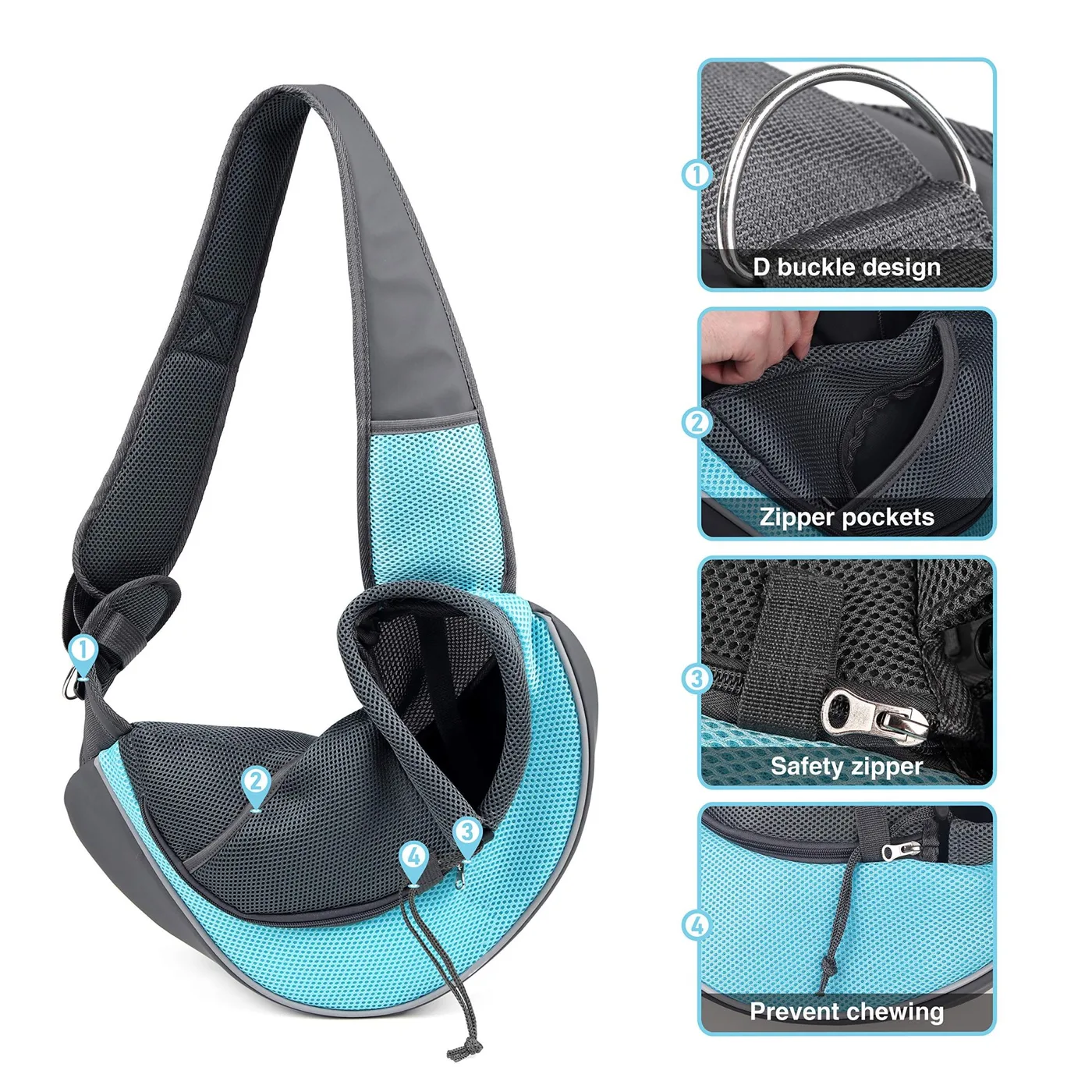
Grit is destructive to fine zipper chains. Larger molded teeth, protective flaps, and clear cleaning instructions improve life. The zipper should be operated after controlled mud or sand exposure during sample testing. Roll-top webbing and buckles need sufficient stiffness and cold-impact performance for outdoor channels. A lid on a tote needs secure attachment so it does not fall into the dirty chamber.
Odor-proof and antibacterial claims should be avoided unless supported by a defined material treatment, complete-product evidence, and destination review. A closed bag may reduce immediate odor transfer during a drive home, but retained damp contents can smell more strongly over time. Instructions should tell users to empty promptly, remove loose grit, wipe or wash according to the tested method, and dry completely before storage.
Care labels must distinguish shell, removable liner, board, tray, and hardware. A machine-wash symbol cannot be applied to a bag containing a nonwashable board. If components have separate care, use clear icons and text. Test coating adhesion, colorfastness, shrinkage, warping, and hardware corrosion after the stated cleaning process.
Professional programs may use numbered bag tags and inspection dates. These support asset management but do not certify sanitation. Operators remain responsible for workplace cleaning protocols and any regulated waste streams.
Mud-bag claims should promise controlled transport and verified cleaning, not permanent odor removal or hygiene outcomes the product cannot guarantee.
Design for Vehicles, Retail Shelves and Field Programs
Vehicle buyers value stability and containment above appearance. A low rectangular base, non-slip exterior panel, short reinforced handles, and lid that opens away from the bumper all improve use. Measure common storage spaces and avoid tall structures that interfere with parcel shelves or seat backs. A folded dirty mat or liner can sit under the bag as a merchandising feature if it has a separate code.
Retail shelves need a compact pack and visible explanation. A mud bag often looks like a plain dark sack when empty, so a paper sleeve should show the loaded use, dimensions, cleaning sequence, and included components. Controlled folding can reduce cube, but base and rim materials must recover shape. A small display insert can support the opening without a large rigid box.
Dog-sport and field programs may require team identification, reflective patches, numbered tags, stronger lash points, and separation for training equipment. Attachment points should be load rated and placed outside the containment chamber where possible. Metal fittings require corrosion review if exposed to wet grass, salt, or repeated washing.
Grooming and daycare channels may prefer modular inner bags that can move directly to a laundry process. A colored clean/dirty system reduces staff errors, while barcodes help track assets. The wholesale supplier provides the physical distinction; the service operator defines handling procedures.
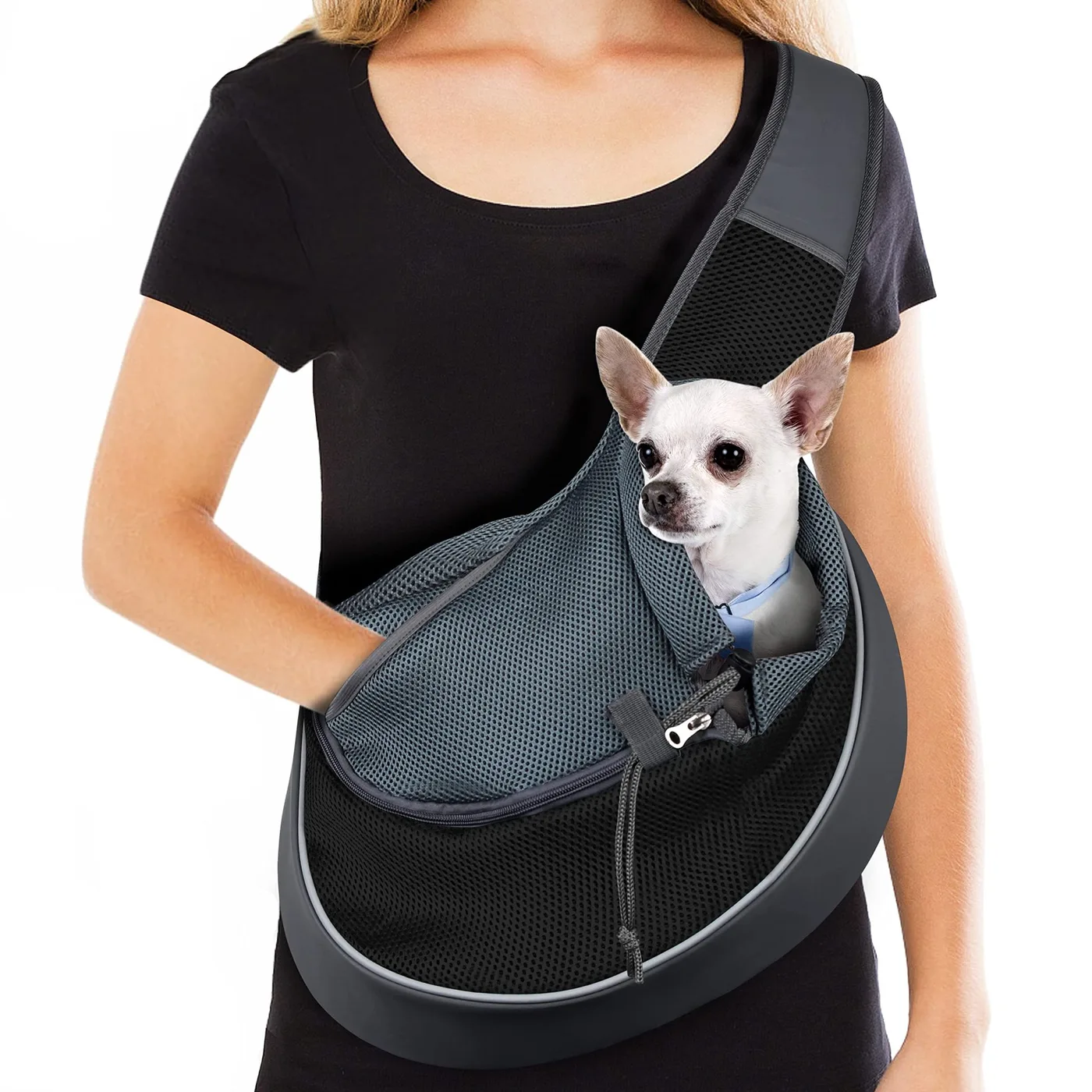
Online programs need accurate capacity and packed dimensions. Images should show real equipment, not an animal inside the bag. Marketplace copy should distinguish mud containment from waterproof protection. A product may have a wipe-clean, water-resistant body without qualifying as an immersion-proof dry bag.
One mud-bag shell can serve several channels only when base shape, identification, and packaging are configured for the actual handling environment.
Model Price From Structure, Liner and Freight Cube
A compact 5-10 liter folding mud pouch may cost USD 5.50-8.00 FOB Xiamen at 500 pieces. A 12-20 liter structured vehicle bag with coated lining, reinforced handles, protected zipper, and folding base commonly costs USD 8.50-13.50. A 15-25 liter professional format with removable tray, heavy abrasion panels, lid, and identification can reach USD 13.00-20.00.
Separate the quote into shell, reinforcement, base, removable liner or tray, closure, handles, hardware, print, retail packaging, testing allowance, and master packing. This makes clear why two similar-size bags perform differently. The tray, base, and opening often create more value than an extra exterior pocket.
Freight can reverse a unit-price decision. Molded trays and rigid rims protect shape but reduce units per cubic meter. Folding structures ship efficiently but may require store assembly or recovery time. Ask for actual retail-packed dimensions, carton count, gross weight, and container estimate for each option. Evaluate parcel dimensional weight for online channels.
Value engineering should simplify decoration, use stock shell colors, standardize webbing, remove redundant clean pockets, and select a folding protected base where loads permit. Do not weaken handle anchors, expose absorbent board, or replace the smooth liner with a hair-catching fabric. Those changes undermine the central use.
Price breaks at 500, 1,500, and 3,000 pieces should keep performance identical. A buyer may gain more by sharing one shell across vehicle and field packages than by launching four colors at opening quantity. Replacement liners can provide a lower-cost add-on and improve program life.
The right mud-bag price pays for load, cleanability, and base control while minimizing the shipping cube of structure that customers do not use.
Plan MOQ, Samples and Outdoor Selling Seasons
The standard MOQ is 500 pieces per colorway. Exclusive coated materials, custom molded trays, special buckles, reflective treatments, and printed boxes may have higher input minimums. A component schedule should show purchase quantity, units consumed, surplus, and lead time so the buyer can plan replacement-liner stock and reorders.
The first sample should be evaluated with dirty-gear substitutes matching actual dimensions and wet weight. Load it from a vehicle edge, close it, lift it by every approved handle, place it on an incline, remove the liner, and follow the proposed cleaning routine. Resolve geometry and structure before approving exact color and artwork.
Samples take 6-10 working days after inventory, materials, and performance criteria are frozen. Bulk production takes 35-50 days after signed approval and deposit. Add time for abrasion, colorfastness, water, cleaning, and load testing; third-party inspection; export booking; and transport. Outdoor retail launches should work back from the rainy, hiking, or field-sport season rather than the production finish date.
Standard commercial comparison uses T/T 30/70 and FOB Xiamen. The production network can consolidate mud bags with related pet bag categories and uses 7 lines with 149 equipment units across the broader range. Combined ordering can improve fabric use and container efficiency, but a molded tray or specialty coating may still set the critical path.
Repeat orders should be released while several weeks of inventory remain. Keep liner and tray dimensions, load fixtures, signed cleaning method, and approved coating codes under revision control. A visually similar replacement material may release mud differently and needs review.
Mud-bag launch planning is reliable when dirty-load testing and seasonal freight are scheduled before campaign artwork creates a fixed deadline.
Inspect With Abrasive Soil, Moisture and Working Load
Incoming inspection verifies shell fabric, coating, liner, tray or board, zipper, webbing, buckles, reflective material, thread, print, and labels. Check material weight or thickness, color, odor, surface defects, and documentation against production codes. Removable trays need dimensional, edge, warpage, and fit checks.
In-process control measures opening, base, liner attachment, pocket position, handle anchors, zipper alignment, seam coverage, and lid fit. Inspect corners where grit accumulates and where boards can abrade fabric. Load-bearing reinforcements should match the approved pattern. A production cleanliness standard prevents loose cuttings or metal fragments from being trapped inside the dark bag.
Final inspection at AQL 2.5 should use a defined dirty-load simulation. Add weighted irregular fixtures, damp textiles, and an agreed amount of inert grit where safe. Load and unload the bag, carry it at working weight, operate the closure after grit exposure, place it on an incline, remove the liner, and assess cleaning. The purpose is repeatability, not creating an uncontrolled demonstration.
Critical defects include sharp hazards and structural failure. Major defects include broken handles, exposed absorbent base material, failed closure, severe liner damage, containment below tolerance, wrong care labels, missing tray, incorrect dimensions, and unreadable barcode. Abrasion and textile test methods can be selected from ASTM International and the American Association of Textile Chemists and Colorists.
Retain one clean sealed production unit and one tested reference with inspection records. Photograph base, corners, closure, anchors, and liner after evaluation.
Define the grit simulation so it does not damage equipment or create unsafe dust. Rounded inert particles in a controlled mass can reveal zipper blockage and corner trapping without pretending to reproduce every field soil. The same reference media and cleaning sequence should be used at sample approval and final inspection. Photograph residue remaining after the approved care process.
Vehicle-focused products also need a short movement assessment. Place the filled bag on the specified surface or representative fixture, apply starts, stops, and incline changes, and record sliding, tipping, lid opening, or handle contact. A non-slip base claim should be tied to the tested surface because carpet, rubber liner, and painted metal behave differently.
After all functional checks, inspect the test area for transferred dye, coating flakes, broken hardware, and escaped grit. These observations show whether the bag protects its surroundings as intended.
A mud bag passes quality control when it can be loaded dirty, carried heavy, emptied, and cleaned without losing containment or structure.
Build a Dirty-Gear Range With Replaceable Interiors
A focused assortment can begin with a compact walk pouch, a medium vehicle bag, and a larger professional field format. The customer should see a clear progression in capacity, working load, base protection, and liner removal. Merely enlarging one lightweight pattern can create handle and stability problems at the top size.
Share shell colors and hardware specifications where tests allow, but code every base and liner independently. Replacement trays or liners create useful after-sales SKUs for intensive users. They also let operators rotate a dirty module through cleaning while keeping the outer bag in service. Attachment dimensions need tight tolerances across production lots.
Track returns by liner fit, trapped grit, closure blockage, handle failure, base collapse, leakage expectation, cleaning damage, capacity, and odor claim. Each category points to a different remedy. Customer education can fix overpacking or delayed cleaning, while repeated hardware or seam failures require product correction.
Reorder planning must allow 35-50 production days plus transport. Keep working-load specifications, dirty-item inventory, tray drawings, coating codes, care tests, and signed samples in one revision-controlled file. Approve alternates before seasonal urgency. A new liner can change both fit and carton cube.
The mud bag sits beside, not on top of, a pet wet bag and pet dry bag. Wet bags isolate damp textiles; dry bags protect clean gear from outside water; mud bags contain abrasive dirty equipment. A pet bath bag adds organized bottle and towel zones.
Retail comparison tools should show reference gear, usable opening, base type, working load, packed dimensions, and care method for each format. This prevents a compact walk pouch from being chosen for wet boots or a rigid vehicle bag from being criticized for poor packability. Clear tradeoffs support a believable price ladder.
Professional accounts may need asset tags, replacement frequency data, and liner-only carton packs. Record liner removals, cleaning cycles, and observed wear during field trials. If the shell remains sound while liners wear predictably, the buyer can stock spares and reduce full-unit replacement cost. If handle or base failure appears first, the platform needs structural revision instead.
Keep compatibility visible. A replacement tray or liner should state the shell revision and dimensions, while warehouse labels should separate visually similar sizes. Test a spare from bulk production in retained earlier shells before promising backward compatibility.
A profitable dirty-gear range scales through stronger bases and replaceable interiors while keeping each containment promise commercially distinct.
Why brands source here
- Pet bag programmes run since 2014; founding team in sewn goods since 2004
- SGS-verified production floor of 4,950 m² with 137 workers across 7 lines
- Monthly capacity of 200,000 units, audited to BSCI and ISO 9001
People Also Ask
What is a pet mud bag used for?
It contains dirty leads, boots, coats, towels, toys, and outdoor equipment after walks, training, grooming, or field activities.
How much does a wholesale pet mud bag cost?
Compact pouches cost about USD 5.50-8.00 FOB Xiamen, structured vehicle bags USD 8.50-13.50, and professional tray-base formats USD 13.00-20.00.
What size mud bag is best for pet gear?
Five to 10 liters suits small walk items, 12-20 liters suits vehicle gear, and 15-25 liters suits larger field loads.
Are pet mud bags leakproof?
Some bases or liners meet defined containment tests, but a general stitched bag is not automatically leakproof. Claims should match the complete construction.
Which material is easiest to clean?
Smooth coated textiles and removable molded or welded liners release grit and mud more easily than textured uncoated fabrics.
Do mud bags prevent odor?
They can reduce transfer during short transport but do not remove odor. Contents and the bag should be emptied, cleaned, and dried promptly.
Frequently Asked Questions
What is the MOQ for wholesale pet mud bags?
The standard MOQ is 500 pieces per colorway. Molded trays, exclusive coatings, reflective materials, or special packaging may carry separate minimums.
How long does mud-bag sampling take?
Samples take 6-10 working days after dirty-item dimensions, wet weight, structure, liner, closure, and artwork are approved.
What is the bulk production lead time?
Bulk production takes 35-50 days after signed sample approval and deposit, excluding testing, inspection, booking, and destination transport.
Can the liner be removed?
Yes. A removable liner or tray simplifies grit removal, cleaning, drying, replacement, and rotation in professional programs.
Can a mud bag be used to carry a pet?
No. It is a dirty-gear container and lacks the ventilation, structure, restraint, and safety evaluation required for animal transport.
What payment terms apply?
Standard terms are T/T 30/70 with FOB Xiamen pricing. Alternative terms should use the same quality, packing, and test assumptions.
Can a mud bag have a waterproof base?
Yes. A welded panel or removable molded tray can provide localized protection, subject to a defined complete-base test and accurate claims.
How are zippers protected from grit?
Larger molded teeth, protective flaps, suitable orientation, and clear cleaning instructions reduce blockage; sample tests should include controlled grit exposure.
Can replacement trays be ordered separately?
Yes. Code the tray and liner independently and control attachment dimensions so replacement parts fit approved shell revisions.
Can the bag be machine washed?
Only if every permanent material and structural insert passes the stated wash method. Many structured formats use removable washable parts and a wipe-clean shell.
How is the working load tested?
The bag is filled with weighted irregular fixtures and lifted repeatedly by every approved carry point while anchors, base, seams, and deformation are inspected.
What does final inspection cover?
AQL 2.5 inspection covers dimensions, material, closure, liner, tray, handles, dirty-load function, care labels, barcode, packing, and carton marks.
Talk to QUANZHOU JUNYUAN BAGS about a wholesale pet bag order: MOQ 500 pieces per colourway, samples in 6-10 working days, bulk production in 35-50 days under AQL 2.5 inspection.
Get a free quote Request a sample