Pet Valentine Bag: Wholesale Love-Theme Sourcing Guide
A wholesale pet Valentine bag programme starts at MOQ 500 pieces per colourway, lands at USD 4.20-7.80 FOB Xiamen per unit, and needs 35-50 days of bulk production after a 6-10 working day sampling cycle. Buyers aiming at a February 5 shelf date should release the purchase order in early October. Every order ships only after an AQL 2.5 pre-shipment inspection.
February is the shortest selling window in the pet bag calendar, and it punishes late purchase orders more than any other season. The working model our production team recommends is a carry-over body with a seasonal print panel: the base shell is produced once at MOQ 500 pieces per colourway, and only the heart-print panel, hangtag and zipper puller change between Valentine, Christmas and Easter runs. That structure keeps the seasonal risk exposure to roughly 22-28 percent of total unit cost instead of the full garment.
Sampling for a love-theme pet bag takes 6-10 working days once artwork and colour standards are confirmed, and bulk production runs 35-50 days depending on print method and hardware sourcing. Add 28-35 days of sea freight to a US West Coast distribution centre and the calendar is tighter than most first-time buyers expect. Quality gates are fixed: AQL 2.5 on the finished shipment, with stitch density, print adhesion and hardware pull tests checked on the same day. Commercial terms are T/T 30/70 against FOB Xiamen, and the SGS-verified production base behind this programme runs 7 lines and 149 machines at 200,000 pieces per month under BSCI and ISO 9001.
Buy dog carriers and buy cat carriers enquiries usually arrive from two different channels - one from pet specialty, one from general merchandise - and Pet Bag Types & Styles has to serve whichever basket is larger. Buy pet carriers in a single colourway first, then extend the shade range on the reorder.
What Buyers Actually Specify on a Love-Theme Pet Bag Order
A love-theme pet bag is not a separate category of construction. It is a standard pet bag body wearing a seasonal skin, and understanding that distinction is what separates a profitable February from a markdown in March. The body remains a soft-sided tote, sling or backpack with the same load path, the same reinforcement points and the same ventilation rules as any other unit in the wholesale catalogue. What changes is the visible layer: print artwork, colourway, hardware finish and the secondary packaging that turns a pet bag into a gift.
When our production team receives a Valentine brief, the first document requested is not a sketch but a spec sheet. Buyers who arrive with a finished spec sheet move to quotation in 48 hours; buyers who arrive with a mood board take two weeks. The spec sheet needs seven fields: body dimensions in centimetres, target pet weight, shell fabric and denier, lining fabric, the ventilation format, the hardware finish, and the retail price point the unit must land under. The last field drives every other decision.
The table below shows the four configurations that account for most love-theme wholesale volume. Price bands are FOB Xiamen at MOQ 500 per colourway and assume a repeat order, not a first run with new tooling.
| Configuration | Shell / trim | Size (cm) | Pet weight | FOB band (USD) | Bulk lead time |
|---|---|---|---|---|---|
| Heart-print tote | 300D polyester, rotary print | 38 x 22 x 28 | Up to 6 kg | 4.20 - 5.10 | 35-42 days |
| Quilted heart sling | 210D nylon, heart quilting | 34 x 18 x 24 | Up to 4 kg | 5.30 - 6.20 | 38-45 days |
| Plush heart backpack | Velvet plush, PU patch | 40 x 24 x 30 | Up to 8 kg | 6.40 - 7.80 | 42-50 days |
| Gift-box bundle | Tote + bow + card set | Box 42 x 30 x 10 | Up to 6 kg | 7.10 - 8.90 | 40-50 days |
Pet weight rating is the field buyers most frequently leave vague, and it is the field that determines whether a unit survives the channel return window. A heart-print tote rated to six kilograms uses a baseboard and a handle anchorage specification that costs roughly forty cents more than the same silhouette rated to four kilograms, and the difference is invisible in a product photograph. Buyers supplying marketplace channels should specify the rating upward rather than to the minimum, because oversized pets are a leading cause of seam failure claims and the claim cost exceeds the specification saving by an order of magnitude.
Two numbers in the table deserve attention. First, the plush configuration carries the longest lead time because velvet plush is a made-to-order fabric with a 12-15 day mill window before cutting starts. Second, the gift-box bundle adds USD 1.90-2.60 to the unit but typically lifts the achievable retail price by USD 8-14, which is why gift-channel buyers accept the extra freight volume of an assembled box.
Material and Trim Selection for the February Sell-In Window
Fabric choice on a love-theme pet bag is a colour-fastness decision before it is an aesthetic one. Red and pink are the two most complaint-prone colour families in the category because any migration onto a light lining reads as a defect on camera, and social commerce returns run 3-4 times higher on visual defects than on structural ones. For that reason our production team specifies a colour-fastness-to-crocking test on every red shell before bulk cutting, and rejects linings below a grade 4 result.
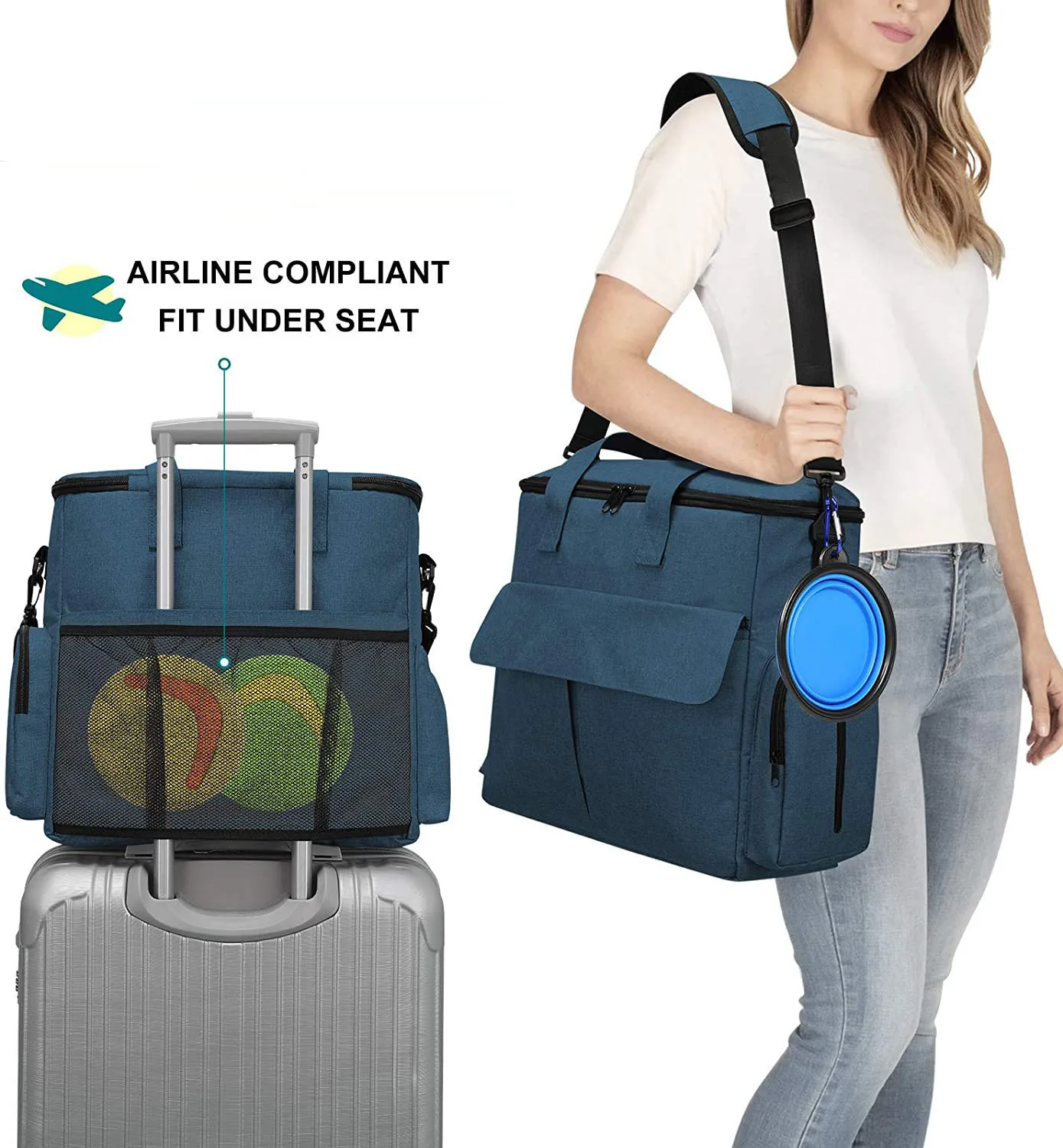
Three shell options dominate the February mix. 300D polyester with rotary screen print is the volume workhorse at the USD 4.20-5.10 band, because rotary screens are reused across Valentine, Easter and Mother's Day runs and amortise to almost nothing by the second season. 210D nylon with heart quilting sits in the middle band and gives a softer hand feel that photographs well, but quilting adds 4-6 days to the bulk schedule. Velvet plush is the premium option; it carries the highest unit cost and the highest return risk if pile crush happens in transit, so it ships flat-packed with tissue interleaving rather than compressed.
Hardware is where seasonal programmes most often lose money. Rose-gold and heart-shaped zipper pullers look identical in a sample photo and very different after 400 cycles of use. Rose-gold plating on a zinc-alloy base wears through at roughly 350-500 cycles on abrasive webbing, which is inside the return window of most online channels. The specification our team writes for high-volume Valentine runs is a PVD finish at a USD 0.28-0.42 per unit premium over standard electroplating, or a dyed-to-match polyester puller where the budget cannot absorb the premium.
Prop 65 exposure is concentrated in hardware and coated fabrics, not in the base cloth. California requires a clear and reasonable warning where a listed chemical is present above the safe harbour level, and buyers selling into that market should request a supplier declaration plus a third-party screen on plated metal and any PVC-coated trim before bulk. The reference point we work to is the California Office of Environmental Health Hazard Assessment safe harbour list, and the screen costs USD 90-180 per material family, which is trivial against a 500-piece colourway.
Cost Structure and FOB Price Bands for Seasonal Units
Seasonal pet bags are quoted FOB Xiamen, and the quote has four cost blocks that behave very differently under volume pressure. Shell fabric is 24-31 percent of FOB and moves with oil-linked yarn prices, so it barely flexes between 500 and 5,000 pieces. Trims and hardware are 18-24 percent and flex the most, because plating, moulded pullers and custom woven labels all carry setup charges that amortise over quantity. Cutting and sewing labour is 26-33 percent and flexes only through line efficiency. Testing, packaging and documentation are 9-14 percent and are essentially fixed per order.
What this means in practice is that a buyer moving from 500 to 3,000 pieces on a heart-print tote should expect an 8-12 percent unit reduction, not the 25-30 percent that first-time importers often assume. The reduction comes almost entirely from amortising screen charges, label setup and the pre-production sample, not from fabric. Buyers who understand this negotiate on setup amortisation and colour consolidation rather than on headline unit price.
Tooling for a custom heart zipper puller runs USD 180-350 per cavity and is worth paying only if the shape will be reused across two or more seasons, or if the brand intends a full own-brand identity. For a one-season test, a stock heart puller in a dyed finish costs nothing in tooling and adds zero lead time. Similarly, digital print on the panel costs USD 0.48-0.62 per panel versus USD 0.19-0.26 for rotary screen, but rotary needs a 12-16 day screen-making window. Below roughly 1,200 panels, digital is cheaper once the calendar is included; above that, rotary wins on both cost and colour saturation.
The final cost lever is the assortment itself. Consolidating three colourways into two raises the average run length by 50 percent and typically drops the unit by USD 0.22-0.38. Buyers who resist consolidating usually do so for planogram reasons rather than cost reasons, which is a legitimate trade-off, but it should be a decision made with the numbers on the table and not a default.
MOQ Strategy: Colour Splits and Assortment Risk Control
MOQ on a wholesale love-theme pet bag is 500 pieces per colourway, and that number is set by fabric dye-lot minimums and print screen setup rather than by sewing capacity. A buyer who wants three colourways is therefore committing to 1,500 units, and the question that should be asked at quotation stage is whether those three colourways can share a single body and a single lining. If they can, the effective risk per colourway drops sharply because unsold red units can be re-paneled for the following season; if they cannot, each colourway is a closed bet.
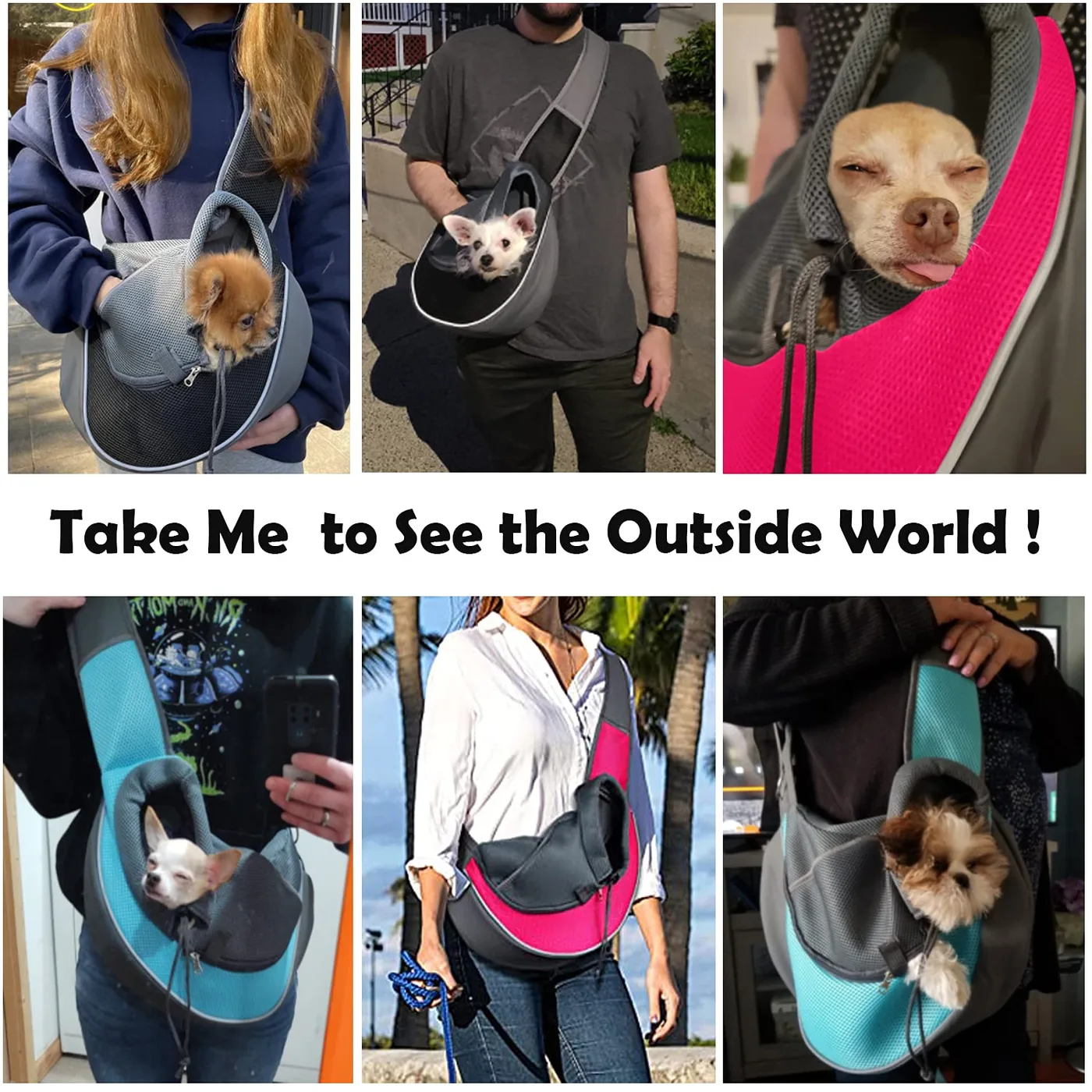
The structure that our production team recommends for a first Valentine programme is a 60/30/10 split across three colourways, with the dominant colourway being the one that survives into other seasons. Red holds 60 percent because it carries the theme but has limited carry-over. Pink at 30 percent carries into spring and Mother's Day. A neutral cream or oat at 10 percent is the hedge: it sells slowly in February but never needs markdown. That hedge colourway is what keeps the blended sell-through above 70 percent on a first-season run.
Buyers frequently ask whether they can split the 500-piece minimum across sizes instead of colours. The answer is yes in one specific case: where the sizes share the same fabric roll and the same print screen. Two sizes of the same printed tote can be combined into a 500-unit fabric commitment because the cutting marker consumes the same cloth. Two different constructions cannot, because the marker, the thread consumption and the line setup are all different. This distinction is worth confirming in writing before the deposit is wired.
Assortment risk is also managed through reorder timing rather than initial depth. February demand curves are steep and short, and the buyers who consistently hit 85 percent sell-through are the ones who place a conservative initial order of 1,500 units and hold an air-freight reorder option for week two. That reorder costs USD 5.40-7.20 per kilogram shipped by air, which on a 420-gram unit adds roughly USD 2.40-3.10 per bag, and that premium is cheaper than a 40 percent markdown on 900 leftover units in March.
The Production Calendar: Artwork, Samples, Bulk and Freight
The Valentine calendar is unforgiving because the selling window closes on a fixed date. Working backwards from a February 5 floor date, the required sequence is: freight and customs 30-38 days, bulk production 35-50 days, sample approval 6-10 working days, and artwork and colour-standard confirmation 4-6 days. That is 75-104 calendar days of critical path, which places the purchase order release in the last week of September or the first week of October at the very latest.
Sampling runs 6-10 working days from confirmed artwork, not from first contact. The clock starts when the buyer has signed off on the print file, the Pantone or physical colour standard, and the hardware finish. In practice, the delay in most first-season programmes is not the sample build but the colour standard: buyers who approve colour from a screen rather than a physical swatch approve two or three rounds, and each round restarts the 6-10 working day window. Our production team ships a physical swatch card with every first sample for exactly this reason.
Bulk production is 35-50 days, and the variable is print method and hardware availability. Rotary screen runs sit at the 35-42 day end once screens exist; velvet plush and custom plated hardware push toward 45-50 days because both are sourced outside the bag assembly schedule. Buyers who compress this window usually do so by accepting stock hardware, and that is the single fastest lever available, worth 5-8 days on its own.
Freight and customs close the loop. Sea freight from Xiamen to a US West Coast distribution centre is 28-35 days door-to-door in a normal season, and peak-season congestion before Lunar New Year can add 7-12 days. Because Valentine volume ships in December, it competes with holiday freight for container space, so bookings should be made 21 days before the cargo-ready date rather than the 10 days that works in a slack month. Buyers who miss the sea window face an air-freight bill of USD 5.40-7.20 per kilogram, which on a 1,500-unit order of 420-gram bags adds USD 3,400-4,500 to the landed cost and wipes out most of the season margin.
Compliance, Labelling and Gift-Channel Documentation
Gift-channel retail applies a documentation standard that general merchandise does not. A love-theme pet bag sold as a present will be handled by a retailer's gift buyer, who will ask for a country-of-origin marking that satisfies US customs rules, a fibre content label where textile rules apply, a tracking label, and a test report on the coated or plated components. Missing any one of these does not stop the shipment at the port; it stops the invoice being paid by the retail accounts payable department, which is the more expensive failure.
On chemical compliance, the scope depends on the destination market. Units sold into California need a Prop 65 assessment on hardware and PVC-coated trim, and the safe harbour levels published by OEHHA are the reference point. Units marketed with a child-appeal element, such as a bag sold alongside a children's gift set, fall under CPSIA lead and phthalate limits, and the US Consumer Product Safety Commission publishes the current thresholds and the list of accredited laboratories. Units sold into the EU need REACH SVHC screening on the same component list.
Testing cost scales with the number of distinct material families, not with unit quantity. A typical Valentine programme with four material families - printed shell, lining, webbing, plated hardware - costs USD 640-1,150 in third-party testing, and that cost is fixed whether the order is 500 pieces or 5,000. This is the clearest argument for consolidating the assortment: every additional fabric or hardware finish adds a fixed test cost that does not amortise.
Packaging documentation is the last piece. Gift-boxed units need a carton marking plan, a barcode allocation, and in most retail channels a GS1-128 shipping label applied at the distribution centre. Our production team applies carton marks and inner polybag warnings at the partner facilities so that the unit arrives DC-ready; buyers who skip this step typically spend USD 0.30-0.55 per unit on third-party relabelling in the destination country, which is pure margin loss.
Channel Requirements: Marketplace, Gift Shop and Specialty Retail
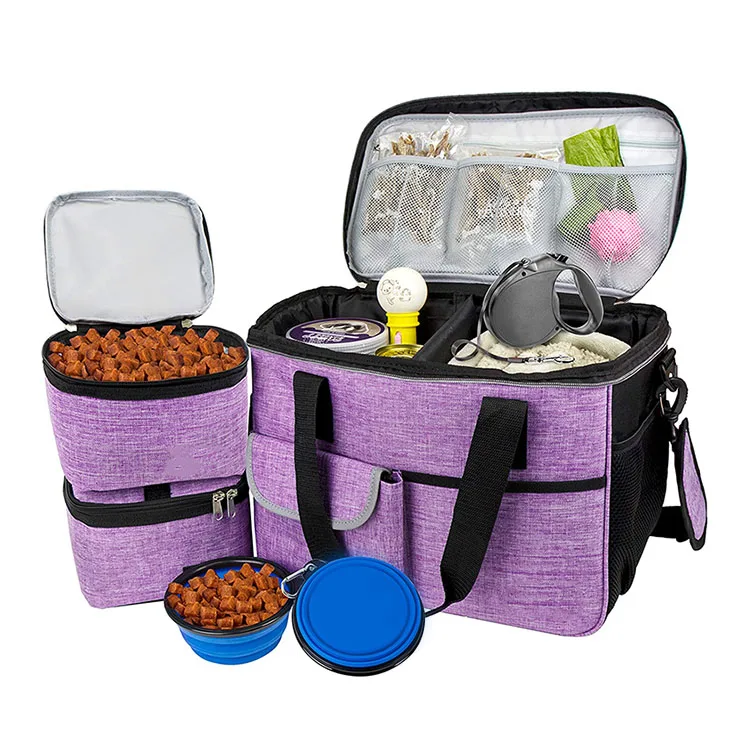
A love-theme pet bag is sold through three channels with three different specification standards, and the same unit rarely satisfies all of them. Marketplace listings reward photographic saturation and a low returns rate, gift shops reward unboxing presentation and a rigid price point, and specialty pet retail rewards functional credibility. Buyers who specify to the wrong channel end up with a unit that is over-packaged for one outlet and under-documented for another.
For marketplace channels, the decisive specification is dimensional weight and returns performance. A plush heart backpack that ships at 40 x 24 x 30 centimetres falls into a dimensional-weight bracket that adds USD 1.10-1.80 per unit in fulfilment fees at typical US rates, which is invisible at quotation stage and very visible in the contribution margin. The fix is a flat-pack or semi-flat-pack construction with a collapsible panel, which typically cuts the billable dimensional weight by 24-32 percent. Buyers should ask for the folded carton dimensions at quotation, not just the assembled ones.
Gift shops and seasonal pop-up outlets work to fixed price points rather than to cost-plus margins. A buyer targeting a USD 24.99 gift price needs a landed cost under roughly USD 7.40 including freight and duty, and every packaging element has to earn its place against that ceiling. In this channel the gift box matters more than the bag trim: a rigid box with a printed sleeve at USD 1.60-2.20 usually outperforms an upgraded shell fabric at the same cost, because the perceived value sits at the shelf, not on the product.
Specialty pet retail is the strictest on function and the loosest on theme. Buyers in this channel should keep the ventilation area, the load-bearing seam strength and the interior tether identical to the year-round specification, and let the theme live entirely in print and hardware. Our production team has seen February units rejected by specialty buyers because a decorative plush overlay reduced the effective ventilation area below the chain's internal standard, which is a theme decision creating a functional failure.
The practical recommendation is to build one body and three packaging configurations. The body satisfies the strictest channel, and the packaging differentiates the channels. That approach keeps the MOQ commitment at 500 pieces per colourway on a single construction while supporting three price points from USD 19.99 to USD 34.99, and it avoids the far more expensive mistake of commissioning three separate constructions for a 12-day selling window.
Supplier Scorecard: Vetting a Seasonal Pet Bag Partner
Seasonal programmes fail on supplier reliability far more often than on design. The scorecard our team uses with buyers has six weighted criteria. Calendar discipline carries 30 percent, measured by whether the last four seasonal orders shipped within the committed window. Sample accuracy carries 20 percent, measured by how closely the bulk unit matched the approved sample on colour, hand feel and hardware finish. Capacity reservation carries 15 percent, which means the supplier holds line time against a forecast rather than booking on receipt of deposit. Testing and documentation carry 15 percent. Communication responsiveness carries 10 percent. Price carries 10 percent.
The weighting surprises buyers, and it is deliberate. A supplier that is 6 percent cheaper and three weeks late on a 12-day selling window has delivered a negative value programme, because the units arrive after the demand curve has peaked. Buyers who score partners on price alone consistently end up with February goods arriving in March.
Quality gates are non-negotiable and should be written into the purchase order. The standard is AQL 2.5 on a general inspection level II sample plan for the finished shipment, with critical defects at zero tolerance. Critical defects in this category are structural: a failed load-bearing seam, a zipper that separates under load, a ventilation panel that blocks airflow, or hardware that detaches in a pull test. Major defects include print misregistration above 2 millimetres, visible colour migration, and stitch density below the approved standard. Minor defects cover loose threads and light soiling that does not survive a wipe.
Independent verification matters more than internal inspection reports. Buyers should commission a third-party pre-shipment inspection through a recognised testing body such as SGS, and should request the social compliance and quality management certificates directly rather than accepting a summary. The production base behind this programme holds BSCI social compliance and ISO 9001 quality management across 4,950 square metres, 137 staff and 7 lines, and those documents are released to buyers at quotation stage rather than after the deposit. Payment terms are T/T 30/70 against FOB Xiamen, with the balance released against the passed inspection report, which keeps the buyer's leverage intact until the goods are verified.
Order and quality terms
- MOQ 500 pieces per colourway; samples in 6-10 working days
- Bulk production 35-50 days after approval; AQL 2.5 inspection standard
- T/T 30/70 terms, FOB Xiamen, full document set per shipment
People Also Ask
How early should I order Valentine pet bags wholesale?
Order 12-14 weeks ahead of the floor date. Artwork and sampling take roughly three weeks, bulk takes 35-50 days, and sea freight adds 28-35 days to a US West Coast distribution centre.
What sells better in February, red or pink pet bags?
Red carries roughly 60 percent of February volume because it reads as the theme colour, but pink has better carry-over into spring. A 60/30/10 split across red, pink and a neutral hedge is the standard first-season structure.
Are themed pet bags more expensive to produce?
The seasonal layer adds USD 0.60-1.40 to a comparable non-themed unit, mostly in print, custom hardware and gift packaging. The base construction cost is identical.
How do I avoid leftover Valentine stock in March?
Order conservatively on the initial run, use a carry-over body with a swappable panel, and hold an air-freight reorder option for week two. Leftover risk is a calendar problem, not a design problem.
Do pet bags need CPSIA testing?
CPSIA applies where the product has child appeal or is marketed alongside children's goods. Standard pet bags are not children's products, but plated hardware and coated fabrics still need Prop 65 and REACH screening.
What is the difference between rotary screen and digital print on panels?
Rotary screen costs USD 0.19-0.26 per panel and needs a 12-16 day screen-making window. Digital costs USD 0.48-0.62 with no setup. Below roughly 1,200 panels, digital wins once the calendar is counted.
Frequently Asked Questions
What is the minimum order quantity for a love-theme pet bag?
MOQ is 500 pieces per colourway for a standard printed or quilted construction. Colourways can be combined into a single fabric commitment when they share the same shell and print screen, but different constructions cannot be combined.
How long does sampling take for a Valentine pet bag?
Sampling takes 6-10 working days once artwork, colour standard and hardware finish are confirmed in writing. The clock does not start at first contact, and colour rounds are the most common cause of delay.
What is the bulk production lead time?
Bulk production runs 35-50 days. Rotary screen programmes with stock hardware sit at the 35-42 day end; velvet plush and custom plated hardware push the schedule toward 45-50 days.
Can I reuse the same body for other seasonal themes?
Yes. The recommended structure is a carry-over body with a swappable seasonal print panel, which limits seasonal exposure to 22-28 percent of unit cost and lets unsold panels be reworked for the next theme.
What is the FOB price range for February pet bags?
FOB Xiamen bands run USD 4.20-5.10 for a printed tote, USD 5.30-6.20 for a quilted sling, USD 6.40-7.80 for a plush backpack, and USD 7.10-8.90 for a gift-boxed bundle at MOQ 500 per colourway.
Which inspection standard applies to the finished shipment?
Shipments are inspected to AQL 2.5 at general inspection level II, with zero tolerance for critical structural defects. Independent third-party inspection is recommended and costs USD 250-380 per man-day.
What compliance documents do gift retailers require?
Gift-channel buyers require country-of-origin marking, a fibre content label where applicable, a tracking label, and third-party test reports on coated fabrics and plated hardware. Prop 65 assessment is required for California.
How much does third-party testing cost per programme?
Testing costs USD 640-1,150 for a four-material-family programme and is fixed per order, not per unit. Every additional fabric or finish adds a test family, which is why assortment consolidation saves real money.
When should the purchase order be released for a February floor date?
The purchase order should be released in late September or the first week of October. The critical path is 75-104 days including artwork, sampling, bulk production and sea freight.
What happens if the sea freight window is missed?
Air freight costs USD 5.40-7.20 per kilogram and adds roughly USD 2.40-3.10 to a 420-gram unit. On a 1,500-unit order that is USD 3,400-4,500, which usually removes most of the seasonal margin.
Are custom zipper pullers worth the tooling cost?
Tooling runs USD 180-350 per cavity and only pays back if the shape is reused across two or more seasons or supports a full own-brand identity. For a single-season test, stock hardware in a dyed finish is the better economics.
Can personalisation such as a name patch be added?
Yes. Embroidered initials or a woven name patch can be added at a USD 0.35-0.90 unit premium and adds 5-8 days to the bulk schedule. Personalised units are non-returnable, so order depth should be conservative.
Talk to QUANZHOU JUNYUAN BAGS about a wholesale pet bag order: MOQ 500 pieces per colourway, samples in 6-10 working days, bulk production in 35-50 days under AQL 2.5 inspection.
Get a free quote Request a sample