Pet Holiday Bag: Christmas Theme Program Specs
A Christmas themed pet bag program needs artwork approved at least 120 days before the shelf date, because printed fabric carries its own minimum and its own lead time on top of the bag. Plan one print method, one base fabric and two colorways maximum, at MOQ 500 pieces per style. Bulk production takes 35-50 days after printed fabric arrives, so a December shelf set requires the fabric order placed by late July and the bulk slot booked by late August.
This note is for buyers running a Christmas or year-end holiday themed pet bag program, the highest-value and highest-risk window in the category. Holiday programs concentrate a large share of annual pet gifting volume into a six-week selling period, and they fail on artwork timing, print minimums and compliance rather than on bag construction. Standard trading terms are MOQ 500 pieces per color per style, samples in 6-10 working days from tech pack sign-off, bulk production in 35-50 days from deposit, inspection to AQL 2.5 with a print-registration and colorfastness gate, payment T/T 30/70 and quotation FOB Xiamen. Our production team coordinates printed-fabric programs through the partner facilities, with restricted-substance documentation prepared for gift-channel distribution and the quality system audited to ISO 9001 alongside BSCI social compliance. The sections below cover the risk profile, print methods, fabric minimums, compliance, packaging, cost, inspection, the reverse calendar and the post-season plan.
Wholesale pet bags uk and wholesale pet bags australia share most of the same test file, but Pet Bag Types & Styles still has to be matched to the retailer's own checklist. Pet bags wholesale china terms are usually quoted FOB, so pet bags import export cost is a separate line the buyer has to model.
Holiday Programs: Revenue Spike and Execution Risk
Christmas pet gifting is the single largest seasonal spike in the category. Pet owners buy for their animals in the same basket as family gifts, themed product commands a premium because it is bought as a present rather than as equipment, and retailers allocate temporary space that does not exist for the rest of the year. For a distributor, a well-executed holiday program can represent a disproportionate share of annual margin.
The same characteristics create the risk. The selling window is roughly six weeks, and it does not move. A program that arrives in mid-December has lost most of its value, because gift shopping is done. Unlike an autumn program, which can reorder in October, a holiday program has effectively one shot, and the inventory that does not sell becomes a carryover problem in January.
The execution risk sits in three places that have nothing to do with bag construction. Artwork approval is the first: themed graphics need more revision cycles than a plain colorway, and each cycle consumes days. Print fabric procurement is the second: printed fabric is made to order with its own minimum quantity and its own lead time. Compliance is the third: gift products attract scrutiny that utility products do not, particularly where a product could be marketed to children.
- Selling window is about six weeks and does not move.
- There is effectively one shot; reorder capacity is minimal.
- Artwork revision cycles consume the calendar faster than buyers expect.
- Printed fabric carries its own minimum and lead time.
- Gift positioning attracts additional compliance scrutiny.
The mitigation is to plan the program backwards from the shelf date and to treat artwork approval as the critical milestone rather than sample approval. Buyers who book production slots at artwork approval consistently land holiday programs; buyers who wait for sample approval consistently miss them.
There is also a portfolio argument for discipline. A distributor running a holiday program alongside a core range should not let the themed SKU consume the production capacity needed for core replenishment, because a stockout in core product in January costs more than a missed holiday opportunity.
Finally, holiday programs should be scoped deliberately small. Two colorways on one base fabric with one print method is a manageable program. Four colorways across two fabrics with three decoration techniques is a project that will consume the entire calendar and still arrive late.
Print and Decoration Methods for Themed Runs
Four decoration methods cover most holiday programs, and the choice determines both the minimum quantity and the calendar. Rotary or digital print on the base fabric is the most flexible: it covers the whole panel, supports photographic artwork, and digital printing in particular carries a low minimum. Sublimation delivers vivid, durable colour on polyester but is restricted to synthetic substrates and light base colours. Screen printing suits simple graphics and spot colours, with a moderate setup cost and a per-colour charge. Applique and embroidery add texture and a premium feel at the highest per-unit cost and the longest production time.
Selection should follow the artwork and the volume, not the fashion. A photographic snow scene needs full-panel digital print; a simple reindeer silhouette in two colours is cheaper and sharper as a screen print; a premium gift program with a small run benefits from an embroidered motif because it reads as quality under retail lighting.
Durability requirements differ by method and should be stated. A printed panel on a bag that will be carried outdoors needs colour fastness to rubbing and to light, and a printed panel that will be wiped clean needs fastness to water. Buyers should specify those three fastness expectations alongside the artwork so that the ink and fixation method are selected for the requirement rather than for convenience.
| Method | Typical fabric minimum | Colour range | Added cost per unit | Best run size |
|---|---|---|---|---|
| Digital print | 100-300 m | Unlimited | USD 0.45-0.95 | 500-3,000 |
| Rotary print | 1,000-2,000 m | Up to 12 | USD 0.25-0.55 | 5,000 plus |
| Sublimation | 200-500 m | Unlimited, polyester only | USD 0.55-1.10 | 1,000-10,000 |
| Screen print | None, per-colour setup | Spot colours | USD 0.20-0.60 | 500-5,000 |
| Embroidery | None | Thread colours | USD 0.75-1.80 | 500-2,000 |
Registration and repeat are the technical risks. A pattern that must align across panels needs a placement print with a specified tolerance, and a repeating motif needs a defined repeat size so that no panel receives an awkward crop. Both should be stated in the tech pack, and both should be verified on the first production sample rather than assumed from the artwork file.
Fabric Sourcing and Print Minimums: The Real MOQ Driver
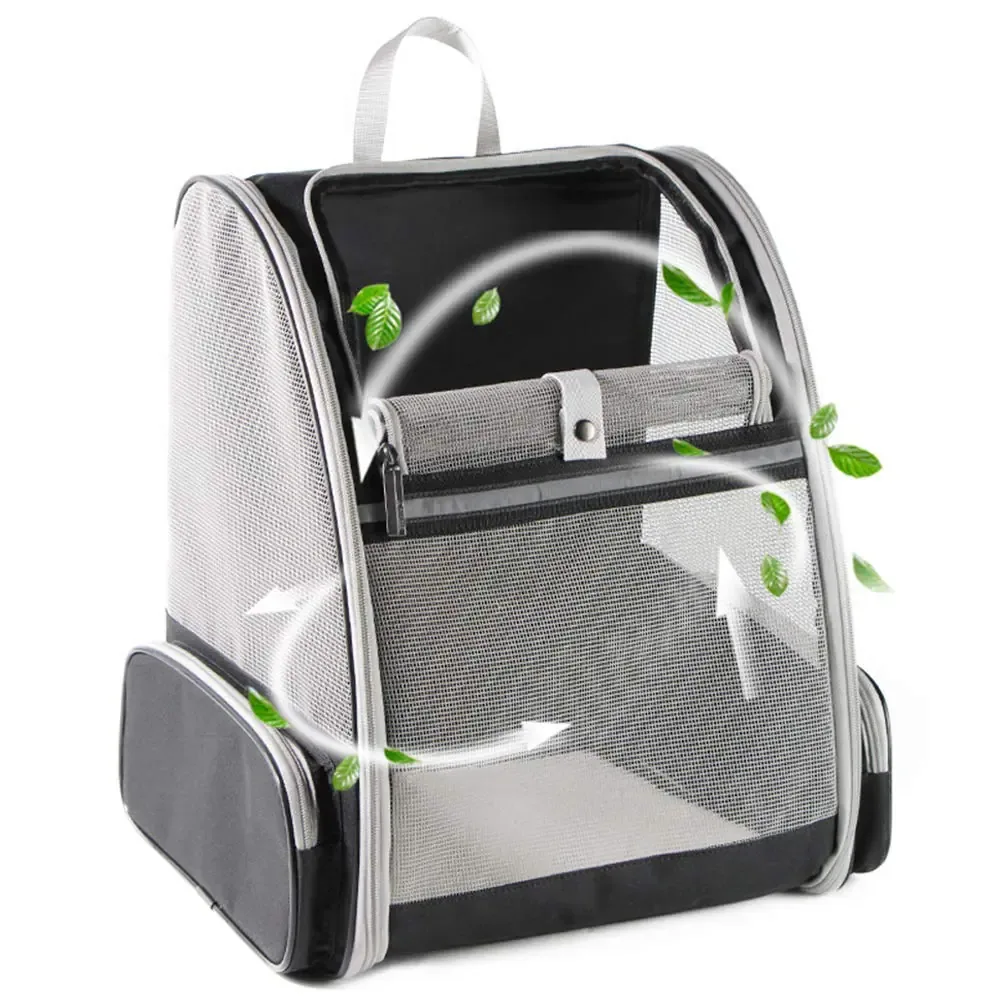
On a holiday program the bag MOQ is rarely the binding constraint; the fabric print minimum is. A bag program of 500 units might consume only 250-400 metres of fabric, while a rotary print mill may require 1,000-2,000 metres per design per colourway. Buyers who plan around the bag MOQ alone discover at quotation stage that they must either buy far more printed fabric than they need or switch to a method with a lower minimum.
There are three workable responses. The first is to select a low-minimum method such as digital print, which aligns the fabric quantity with the bag quantity and leaves no dead stock. The second is to design the program so that the excess printed fabric has a second use, for example by running a matching accessory or a second size in the same print. The third is to accept the carry fabric and plan the following season around it.
The second response is usually the best. A holiday print that also appears on a small accessory, a travel bowl wrap or a gift pouch converts a fabric liability into an assortment, and it gives the retailer a coordinated gift story. Buyers should evaluate this option before signing the fabric order, because it must be designed in rather than added later.
Base fabric availability is a separate constraint. Mills allocate capacity for printed seasonal fabric early, and a buyer requesting a stock base fabric in late July for a December program may find the greige goods unavailable. Confirming base fabric availability at the same time as the print slot is the discipline that separates reliable holiday programs from late ones.
- Fabric print minimum, not bag MOQ, usually drives the order size.
- Digital print aligns fabric quantity with bag quantity.
- Reuse excess printed fabric on a coordinated accessory.
- Confirm base fabric availability when booking the print slot.
- Plan one print design across two colorways rather than two designs.
Compliance and Safety Checks on Seasonal Gift SKUs
Gift positioning changes the compliance profile. A pet bag sold as equipment is assessed as a textile product; the same bag sold as a Christmas gift may be displayed alongside children's items and may attract a children's product assessment, particularly if the graphics are juvenile or the packaging suggests a child recipient. Buyers should decide the intended positioning before artwork approval, because it determines which tests are required.
Where a product could be treated as a children's product in the United States, lead content and phthalates in coatings and inks become relevant, along with tracking label requirements. Buyers can review the framework maintained by the US Consumer Product Safety Commission and should confirm their specific obligations with their own compliance adviser rather than assuming a category exclusion applies.
EU-bound holiday programs need restricted-substance documentation on fabric, coating, inks and any applied decoration. Because holiday programs frequently combine a new print with a new trim or a novelty component, the file has to cover the whole assembly rather than the base bag. Buyers should request a single consolidated declaration covering all components of the themed unit.
Novelty components deserve particular attention. Bells, bows, sequins, glitter coatings and small decorative attachments all introduce small-parts and chemical questions that a plain bag does not have. If a component is not essential to the design, removing it is usually cheaper than testing it.
California-bound programs should check decorations and inks against state chemical listing requirements, and buyers serving multiple markets should declare all destinations at quotation so the test plan is built once. Retrofitting a compliance file in November is the most expensive version of this work.
Packaging, Hangtags and Retail Display Requirements
Holiday product is judged as a gift before it is judged as a bag, and packaging carries the weight. Retail buyers allocating temporary seasonal space want a unit that merchandises with minimal staff effort, which usually means a printed hangtag with the theme, a clear size and care statement, and packaging that stands or hangs without assembly.
Hangtag content should be planned early because it is artwork too. Seasonal copy, care instructions, a barcode placement and any required compliance markings all have to be laid out and approved, and that cycle runs parallel to the bag artwork rather than after it. Buyers who treat hangtags as an afterthought routinely find them holding up the shipment.
Display format matters for temporary space. Counter displays, shelf-ready trays and hanging programs each have different requirements at the retailer, and the wrong choice can cost the placement entirely. Buyers should ask the retail buyer for the display specification at the same time they pitch the program, not after production begins.
E-commerce requirements differ. A holiday SKU sold online needs packaging that survives parcel handling and photographs well, and it needs the theme visible in the main image. A printed retail box that looks excellent on a shelf can be a liability in a parcel network if it is not sized and protected for shipment.
Finally, plan the packaging quantity alongside the bag quantity. Printed packaging has its own minimum and its own lead time, and a program with 500 bags and 2,000 printed boxes has created its own carryover problem in a category where the theme is worthless on the 26th of December.
Cost Model for a Themed Limited Run
A holiday run costs more per unit than the equivalent plain bag for four reasons: printed fabric, a decoration operation, themed packaging and, often, expedited freight. On a 30-litre build quoted FOB Xiamen, the combined premium is typically USD 1.40-3.20 per unit depending on method and run size, with print contributing USD 0.25-1.10 and themed packaging USD 0.35-1.20.
Run size has an outsized effect because setup costs are fixed. A 500-unit holiday run absorbs print setup, hangtag setup and packaging setup over a small quantity; a 3,000-unit run spreads them across six times the volume. Distributors should model both before deciding run size, because the per-unit difference between 500 and 1,500 units is frequently larger than the markdown risk of the extra stock.
Freight is the hidden holiday cost. A program that misses the sea-freight cut-off must fly, and air freight on a bulky bag can exceed the entire product cost. Buyers should build the calendar around the sea cut-off rather than around the production completion date, and should model the air-freight alternative as a contingency with a real number attached.
Trade terms interact with the calendar. Quotations are FOB Xiamen with payment T/T 30/70, and buyers should understand which risks sit with them under the chosen delivery term; the reference framework published by the International Chamber of Commerce on Incoterms rules is the standard source for allocating transport risk and cost between buyer and seller.
Pricing should reflect the six-week window. Holiday themed pet bags typically carry a 20-35% premium over the equivalent plain bag, which covers the added cost, the short window and the markdown risk on what does not sell.
Inspection Focus for Printed and Decorated Units
Printed and decorated units fail in ways that plain bags do not, and the inspection plan has to cover them. Visual and workmanship defects run to AQL 2.5, but the defect list must be expanded to include print registration, colour variation within and between units, ink fixation, and placement deviation on positioned motifs.
Registration is the first check. A motif that sits 5 mm off its intended position is acceptable on one unit and obvious across a shelf of forty. The tech pack should state a placement tolerance, and inspection should measure it on a defined sample rather than judging by eye.
Colour consistency is the second. Digital and rotary printing both vary slightly across a run, and themed graphics with brand-relevant colours, such as a specific red, are sensitive to it. Buyers should approve a printed strike-off before bulk and should retain it as the reference for inspection.
Ink fixation is the third and the one most often missed. An ink that has not been properly fixed will rub off onto clothing, car seats and hands, which is a return and potentially a compliance issue. A simple rub test with a white cloth, run on a defined sample at inspection, catches it before shipment.
Functional gates still apply underneath the decoration. Seam strength, closure operation and handle attachment should be checked exactly as they would be on a plain bag, because a holiday program is not exempt from the requirements that apply to the rest of the range, and a festive print does not excuse a structural failure.
Reverse Calendar from Artwork Approval to Store Shelf
The holiday calendar is unforgiving and should be built backwards from the shelf date. For a December shelf set in a Northern Hemisphere market, artwork should be approved by late June, printed fabric ordered by mid-July, samples completed by early August, approval confirmed by late August, bulk booked by early September, production completed by mid-October and the vessel departed by late October. That leaves roughly four weeks of sea transit and a buffer for customs clearance.
Artwork approval is the critical milestone. It gates the fabric order, which gates sampling, which gates the bulk slot. Buyers should set an internal approval deadline and hold to it, because a two-week artwork slip becomes a three-week program slip by the time it propagates.
Standard production terms are samples in 6-10 working days and bulk in 35-50 days, but printed programs add the fabric lead time in front of both. The practical figure from fabric order to vessel departure is 90-120 days, which is why artwork has to be settled by mid-year.
The sea-freight cut-off is the second critical date. Production completed in mid-October still has to reach the vessel before the cut-off, and the pre-holiday peak makes space scarce. Buyers should book vessel space at the same time they book the production slot, not after production finishes.
Contingency planning should be explicit. If the program is going to miss the sea cut-off, the decision to air-freight has to be made early enough to matter, with a real cost attached. Deciding late produces the worst outcome: air freight at peak rates and arrival after the selling peak.
Buyers should also agree a communication rhythm for the critical weeks. A weekly status update covering artwork status, fabric status, production progress and vessel booking costs nothing and surfaces slippage while it can still be corrected. Holiday programs rarely fail because of a single catastrophic event; they fail because three small slips were each discovered too late to fix.
Post-Season Plan: Markdowns, Carryover and Reorders
Every holiday program produces carryover, and the plan for it should exist before the program ships. Themed product has almost no residual value after the season: a Christmas print is unsellable in February at any discount that makes economic sense. That reality should shape the run size more than any other consideration.
Three disposition paths are available. The first is a planned markdown ladder, agreed with the retailer in advance, which moves stock in the final two weeks and protects the relationship. The second is carryover into the following year, which works only if storage cost is low and the design is not dated. The third is removal of the themed element, which is rarely practical on a printed bag but is sometimes possible where the theme sits on a removable patch or hangtag.
Designing for the second path is worth considering. A motif that reads as winter rather than as Christmas specifically, such as snowflakes or a general winter scene, has a longer sellable life than Santa or a dated slogan, and it can be carried into a January clearance period at a shallower discount.
The reorder question is mostly settled by the calendar. A holiday reorder placed in December arrives after the window, so the discipline is to size the original order correctly rather than to rely on a reorder. Where a reorder is viable, it is viable in early November for a late-December delivery by air, and only for a fast-moving single colorway.
The final discipline is the debrief. Recording actual sell-through by colorway, the real artwork approval date and the real fabric lead time gives the next year's program a factual basis instead of an optimistic one. Distributors who do this consistently improve their holiday margin year over year, which is the only durable advantage in a seasonal category.
One further post-season discipline is to separate the themed result from the core result in the analysis. A strong holiday season can mask a weak core range, and a distributor reading only total revenue will carry the wrong inventory into the following year. Analysing the two separately, and holding the holiday program to its own forecast rather than to a blended one, produces decisions that are correct for both.
Order and quality terms
- MOQ 500 pieces per colourway; samples in 6-10 working days
- Bulk production 35-50 days after approval; AQL 2.5 inspection standard
- T/T 30/70 terms, FOB Xiamen, full document set per shipment
People Also Ask
What is a Christmas themed pet bag program?
A limited-run seasonal pet bag carrying holiday graphics, produced on printed fabric with themed packaging and sold into a six-week gift window.
When should holiday pet bag orders be placed?
Artwork approved by late June, printed fabric ordered by mid-July and the bulk slot booked by early September for a December shelf set.
Why are holiday pet bag runs more expensive?
Printed fabric, decoration, themed packaging and often expedited freight, typically adding USD 1.40-3.20 per unit plus fixed setup spread over a short run.
Can holiday pet bags be reordered mid-season?
Usually not, because a December reorder lands after the window. Size the original run correctly and reserve air freight only for a single fast-moving colorway.
What compliance applies to holiday pet products?
Gift positioning can attract children's product scrutiny, so check inks, coatings and novelty trims. EU programs need consolidated restricted-substance documentation on the full assembly.
How is print quality checked on holiday bags?
Registration against a placement tolerance, colour against a retained strike-off, and ink fixation by a white-cloth rub test on a defined inspection sample.
Frequently Asked Questions
When should a Christmas pet bag program start?
Artwork should be approved by late June for a December shelf set. Printed fabric is ordered by mid-July, samples complete in early August, and the bulk slot is booked by early September.
What is the MOQ for a themed holiday pet bag?
Bag MOQ is 500 pieces per color per style, but the fabric print minimum usually binds. Rotary print may require 1,000-2,000 metres per design, so digital print often suits smaller runs better.
Which print method suits a small holiday run?
Digital print, which typically requires 100-300 metres and supports unlimited colours. Screen printing suits simple spot-colour graphics, and embroidery suits premium small runs.
How much does a themed run add per unit?
USD 1.40-3.20 on a 30-litre build quoted FOB Xiamen, split across printed fabric at USD 0.25-1.10, decoration and themed packaging at USD 0.35-1.20.
Do holiday pet bags need extra compliance testing?
Often yes, because gift positioning can attract children's product scrutiny. Check inks, coatings and novelty components for lead and phthalates, and confirm obligations with a compliance adviser.
What inspection checks are specific to printed units?
Print registration against a stated placement tolerance, colour consistency against a retained strike-off, ink fixation by rub test, and placement deviation on positioned motifs.
How are novelty components handled?
With caution. Bells, bows, sequins and glitter coatings introduce small-parts and chemical questions. If a component is not essential to the design, removing it is usually cheaper than testing it.
What packaging do holiday programs need?
Printed hangtags with the theme, size and care statement, plus packaging that merchandises without assembly. Plan hangtag artwork in parallel with bag artwork, because it gates the shipment too.
How should freight be planned for holiday programs?
Around the sea-freight cut-off, not around production completion. Book vessel space when booking the production slot, and model the air-freight contingency with a real number before the season starts.
What premium can a themed bag carry?
Typically 20-35% over the equivalent plain bag, which covers print, themed packaging, the short window and the markdown risk on unsold stock.
How should holiday carryover be handled?
Plan it before shipping. Use a pre-agreed markdown ladder, favour winter-general motifs that survive into January clearance, and avoid designs that are worthless after the season.
Is a holiday reorder realistic?
Rarely. A December reorder arrives after the window. Size the original order correctly, and consider a November air-shipped reorder only for a single fast-moving colorway.
Talk to QUANZHOU JUNYUAN BAGS about a wholesale pet bag order: MOQ 500 pieces per colourway, samples in 6-10 working days, bulk production in 35-50 days under AQL 2.5 inspection.
Get a free quote Request a sample