Vinyl Fabric: Easy Clean
Vinyl is the cleanability champion of the category: a non-porous surface releases hair, mud and moisture with one wipe, which is why the coating appears in boarding, veterinary and multi-pet programmes. Specify it as a laminate construction - usually PVC or TPU film on polyester knit - with a written phthalate-free declaration and a cold crack temperature below your coldest destination. Expect 8-15% higher cost than standard PU-coated polyester.
Executive summary. Choosing vinyl is fundamentally a compliance decision before it is a performance one, because plasticiser chemistry, not base fabric, determines whether the material can be sold in your destination markets. Our production team quotes vinyl laminates only with documented restricted-substance declarations attached, and we substitute TPU or silicone-coated constructions where a buyer's chemical policy excludes PVC outright. Quotations assume MOQ 500 pieces per colourway.
Development follows the same discipline as any technical shell: sampling requires 6-10 working days after the tech pack is frozen and bulk production runs 35-50 days after sample approval, because laminate suppliers require booking lead time and because solvent flash-off and cure steps must complete before cutting. Shipments clear pre-shipment inspection at AQL 2.5, with additional checks for surface defects such as crease whitening, blocking and odour, all of which are specific to coated materials.
The commercial logic is compelling where it applies. Wipe-clean surfaces extend usable life in shared-use environments, reduce laundering and can justify a price premium in channels where hygiene is the selling point rather than a footnote.
Most buyers source pet bags from china through a mix of catalogue review and sample rounds, and Material & Technology decisions sit in the middle of that sequence. Pet bag wholesale suppliers who publish a price list with the fabric spec attached save a full round of email, and bulk pet bag orders then move on carton weight rather than on unit count.
What buyers are actually buying when they order vinyl
Vinyl is not a fabric in the conventional sense. It is a film, usually polyvinyl chloride or thermoplastic polyurethane, bonded to a textile substrate that supplies strength and dimensional stability. The textile carries load; the film carries cleanability. Understanding that split is the key to specifying vinyl well, because most failures occur either at the bond line or in the film's plasticiser system rather than in the fabric.
The cleanability itself is straightforward physics. A non-porous surface has no capillary structure to hold soil, so water, hair and most organic residue sit on top and lift away. In practical terms this means a bag used daily can be returned to a presentable state in seconds rather than laundered for an hour, which is a decisive advantage anywhere turnaround time determines revenue - boarding facilities, grooming transport, veterinary transfer and multi-pet households.
The penalties are equally physical. Films do not breathe, so ventilation must be engineered elsewhere; they stiffen in cold weather and can crack if plasticiser package is wrong; they can retain plasticiser odour; and they mark more visibly under abrasion, showing scuff lines that textile surfaces absorb invisibly.
Finally, the material attracts scrutiny. Films and their plasticisers sit squarely inside restricted-substance regimes, and enforcement attention on flexible plastics is consistently higher than on uncoated textiles. A vinyl decision made purely on price carries more compliance risk than any other material choice in this category.
The commercial reason to specify vinyl is rarely the material itself; it is the review profile the material produces. Wipe-clean surfaces convert into fewer complaints about odour and staining, and in channels where one product is shared between animals - boarding, grooming, veterinary, rental - that is the difference between a unit that survives a season and one that is retired early. Buyers should therefore value vinyl on expected return rate and cleaning labour rather than on material cost alone, because measured that way the premium is frequently negative.
Construction choices: PVC, TPU and laminate build
Three film families appear in wholesale pet bag programmes, and their differences matter more than supplier branding. PVC laminate is the cheapest and most widely available, offering excellent cleanability, good abrasion life and easy embossing, at the cost of chemical scrutiny and greater cold stiffening. TPU laminate is cleaner from a compliance standpoint, more flexible in cold conditions and substantially more expensive, typically 40-70% above PVC on the fabric line.
Silicone-coated textiles occupy the third position, produced by applying a silicone elastomer rather than a thermoplastic film. They combine good hand feel with chemical inertness and heat tolerance, but cost more and require different seaming allowances, because silicone surfaces grip unpredictably under presser feet.
The substrate deserves equal attention. Polyester knit backing is standard, chosen because knits accept lamination well and recover from stretching; woven backings give better dimensional stability at slightly higher cost. Adhesion between film and substrate is the most common technical failure point, so specify peel strength rather than relying on appearance.
Choosing between these constructions is best done against service temperature and destination chemistry rather than against hand feel. PVC gives the widest colour and embossing range at the lowest cost and carries the heaviest compliance burden. TPU removes the plasticiser question, behaves better in cold and costs more, which suits programmes sold into markets with strict chemical rules or cold winters. Laminate builds on a textile base give the best tear strength at stitch lines and the most familiar sewing behaviour, and they are usually the correct answer wherever the design depends on stitched structure rather than welding.
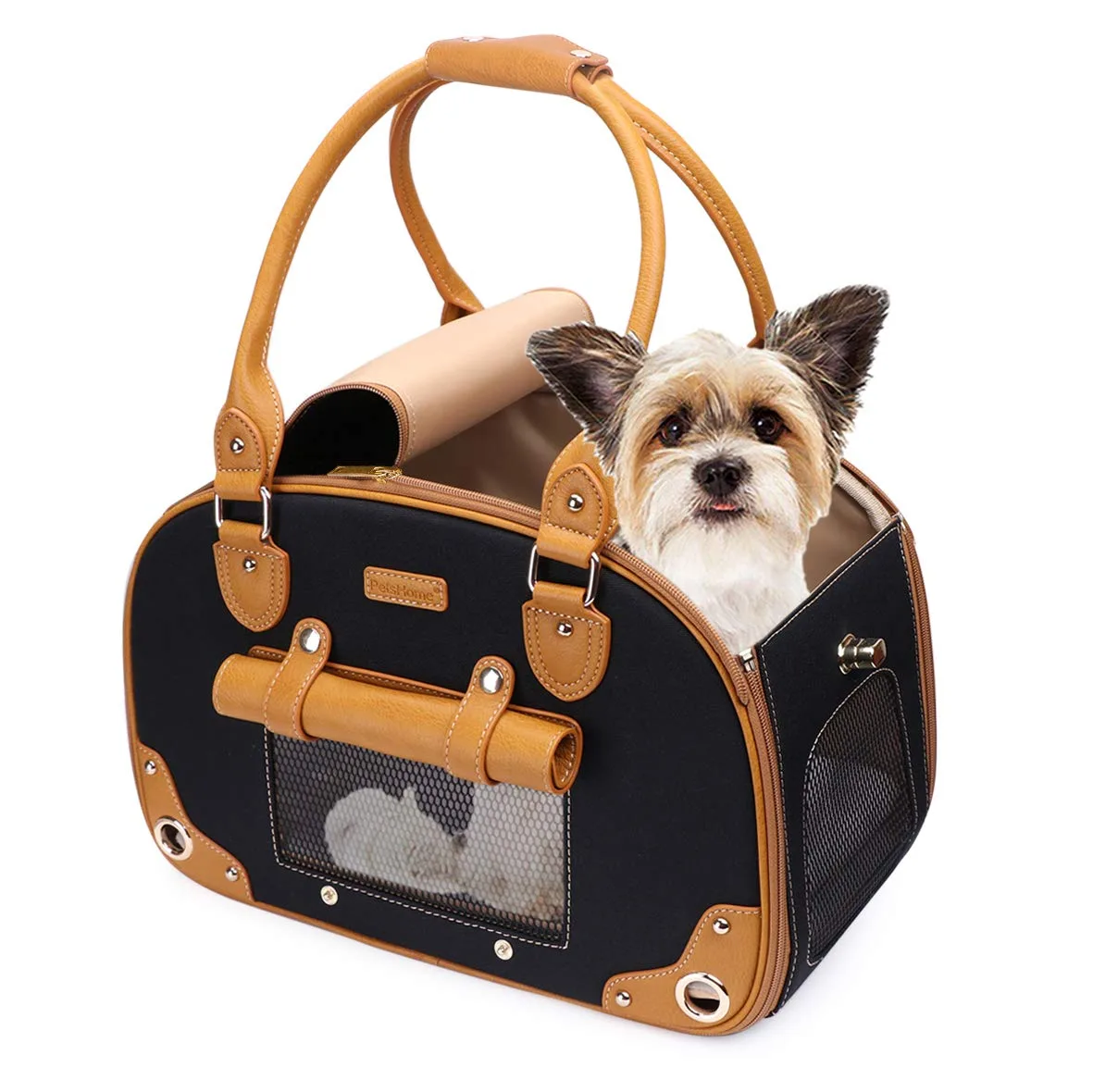
Comparing coated constructions for wholesale programmes
The table below compares the constructions most often quoted, using decision criteria that affect landed cost and market access rather than laboratory properties alone. Cost index anchors standard PU-coated polyester at 1.00.
| Construction | Cleanability | Cold flexibility | Chemical scrutiny | Relative cost | Typical application |
|---|---|---|---|---|---|
| PU-coated polyester | Moderate - wipes, may stain | Good | Low | 1.00 | Volume shell programmes, everyday bags |
| PVC vinyl laminate | Excellent | Moderate - stiffens below 0 C | High - plasticiser scope | 1.22 | Boarding, veterinary, wet-use bags |
| TPU laminate | Excellent | Excellent | Low | 1.85 | Premium and policy-restricted markets |
| Silicone-coated textile | Very good | Very good | Low | 2.10 | Low-odour professional ranges |
Read the chemical scrutiny column as a market access question rather than a technical one. Several European retailer policies exclude certain plasticiser families outright regardless of testing outcomes, so a technically compliant PVC construction may still be unsaleable in your target channel. Deciding this before sampling avoids the expensive pattern of developing a product then finding it cannot be listed.
Cost comparisons should also include downstream effects. TPU and silicone fabrics sew more slowly, require adjusted needle and foot set-up and generate higher cutting yield scrap rates, all of which appear in labour rather than in the fabric line.
Chemical compliance: the plasticiser question
Any discussion of vinyl eventually reaches plasticisers, and buyers who understand this early avoid most downstream problems. Flexible PVC is soft because additives are blended into the polymer; without them the film is rigid. Historically certain phthalate plasticisers were used widely, and several are now restricted or require authorisation in major markets.
European restrictions operate through the framework administered by ECHA, which maintains candidate and authorisation lists that change over time. The practical implication for buyers is simple: a statement that material is "phthalate-free" is meaningless unless it names which substances were tested for and states the result, so require a documented declaration tied to specific restricted lists rather than a generic claim.
In the United States, the relevant state-level requirement most often encountered is California's Proposition 65, whose substance list and safe-harbour guidance are published by OEHHA. Because Prop 65 shifts the burden of warning to the seller, the specification should require both testing evidence and a clear allocation of responsibility for warning obligations.
A pragmatic route many programmes adopt: specify TPU for markets with strict retailer policies, keep PVC for channels without such restrictions, and always require third-party verification. Independent testing through organisations such as SGS converts a supplier assertion into evidence you can present to a retailer, a marketplace or a customs authority.
Documentation should be assembled as a file rather than collected as individual certificates, because what a retailer or marketplace asks for is the set: a material declaration, a restricted-substance test report dated inside the accepted window, and confirmation that the finished article - not the base polymer - was tested. Buyers who submit mill-level declarations routinely fail this step and lose weeks. The efficient practice is to require the article-level report at quotation, with the certificate number and expiry printed on the quote, and to re-issue rather than verbally renew on every reorder.
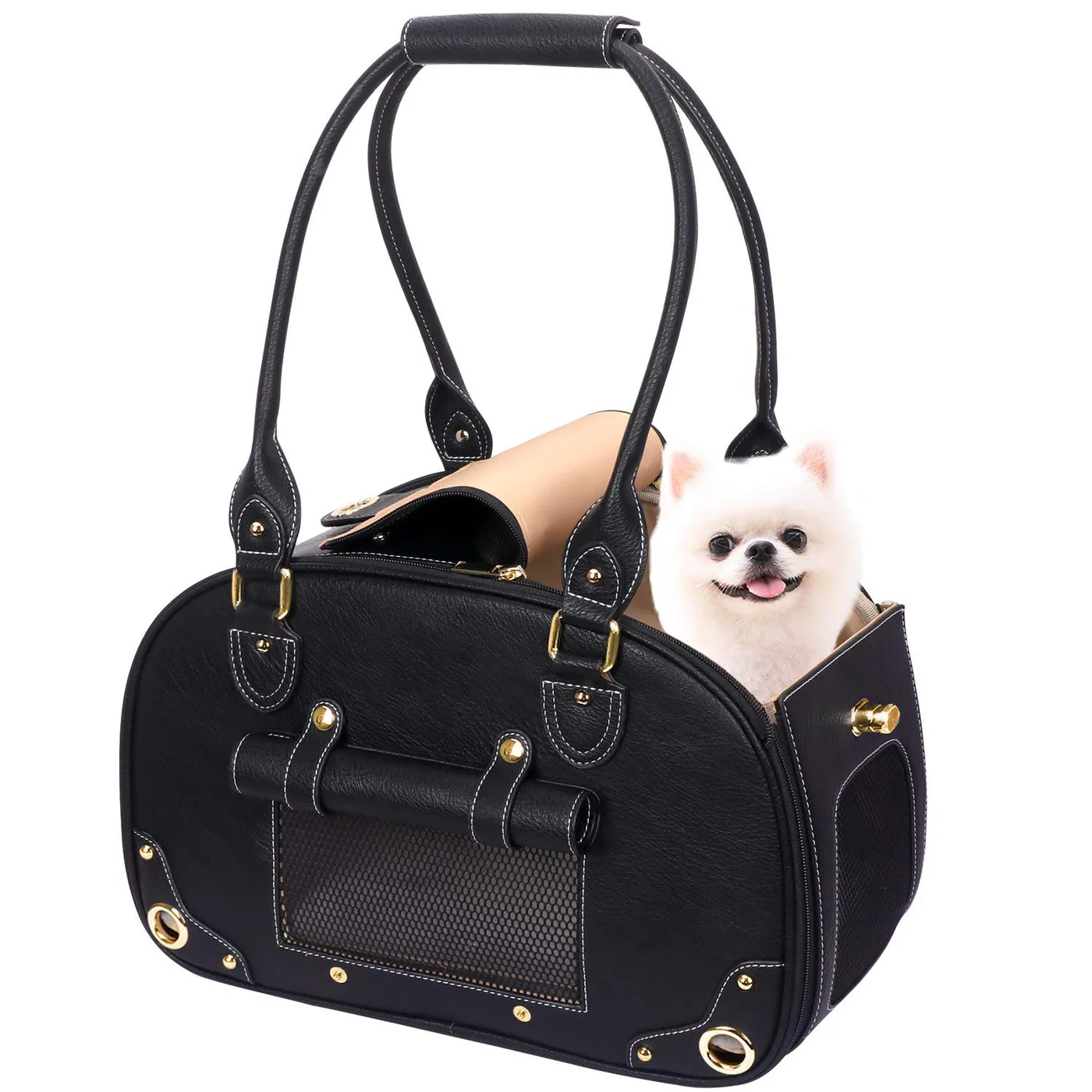
Cold crack, heat ageing and service temperature
Every coated material has a service envelope, and exceeding it produces the two most common vinyl failures: cracking in winter and blocking or tackiness in summer storage. Both are specified rather than hoped over.
Cold performance is expressed as the temperature at which the film cracks under a defined bend test. For products sold into northern Europe, northern North America or any market with cold-weather logistics, specify a cold crack temperature comfortably below the coldest expected handling condition - typically at least 10 C below the minimum, to cover transit through unheated warehousing. Requesting the figure without knowing the method is insufficient, so state the method alongside.
Heat ageing matters similarly. Plasticisers migrate over time, particularly in sustained heat, leaving the film brittle and sometimes hazy with migrated residue. Programmes destined for tropical distribution should specify heat ageing performance and should also avoid shipping vinyl during the hottest container seasons wherever scheduling permits.
Packaging is part of the specification too. Folded vinyl creases, and creases can become permanent crease-whitening or even film cracks. Bags should ship either minimally folded with protective interleaving or rolled, and carton packing should be validated for summer conditions before the first bulk dispatch.
Odour control and the volatile emissions problem
Odour is the complaint that most often follows coated fabrics into the field, and it is frequently misunderstood. A noticeable plastic smell is usually residual solvent or volatile components from the film rather than contamination, and it dissipates over time but is perceived immediately on unboxing - exactly the moment a customer writes a review.
Management starts with specification. Ask for volatile content limits where available, and require samples to be evaluated after a defined aeration period rather than straight off the production line, which reflects what the customer experiences less accurately. Then add a practical step in your own process: aerate incoming stock before dispatch, since even compliant materials benefit from air exchange in a well-ventilated warehouse.
Where odour sensitivity is critical, such as premium channels with high return costs, consider TPU or silicone constructions, which typically carry far lower volatile loads. The premium is real, but so is the cost of a smell-driven wave of returns.
Odour is also managed through packing and logistics rather than through material selection alone. Coated fabric releases most of its volatile content in the days immediately after production, so cartons should not be sealed for extended transit straight off the line and inner packaging should be allowed to breathe. Buyers receiving container loads should plan a short airing period before distribution and avoid shipping vinyl ranges in the hottest weeks of the year, when in-container temperatures accelerate both emission and blocking between stacked panels.
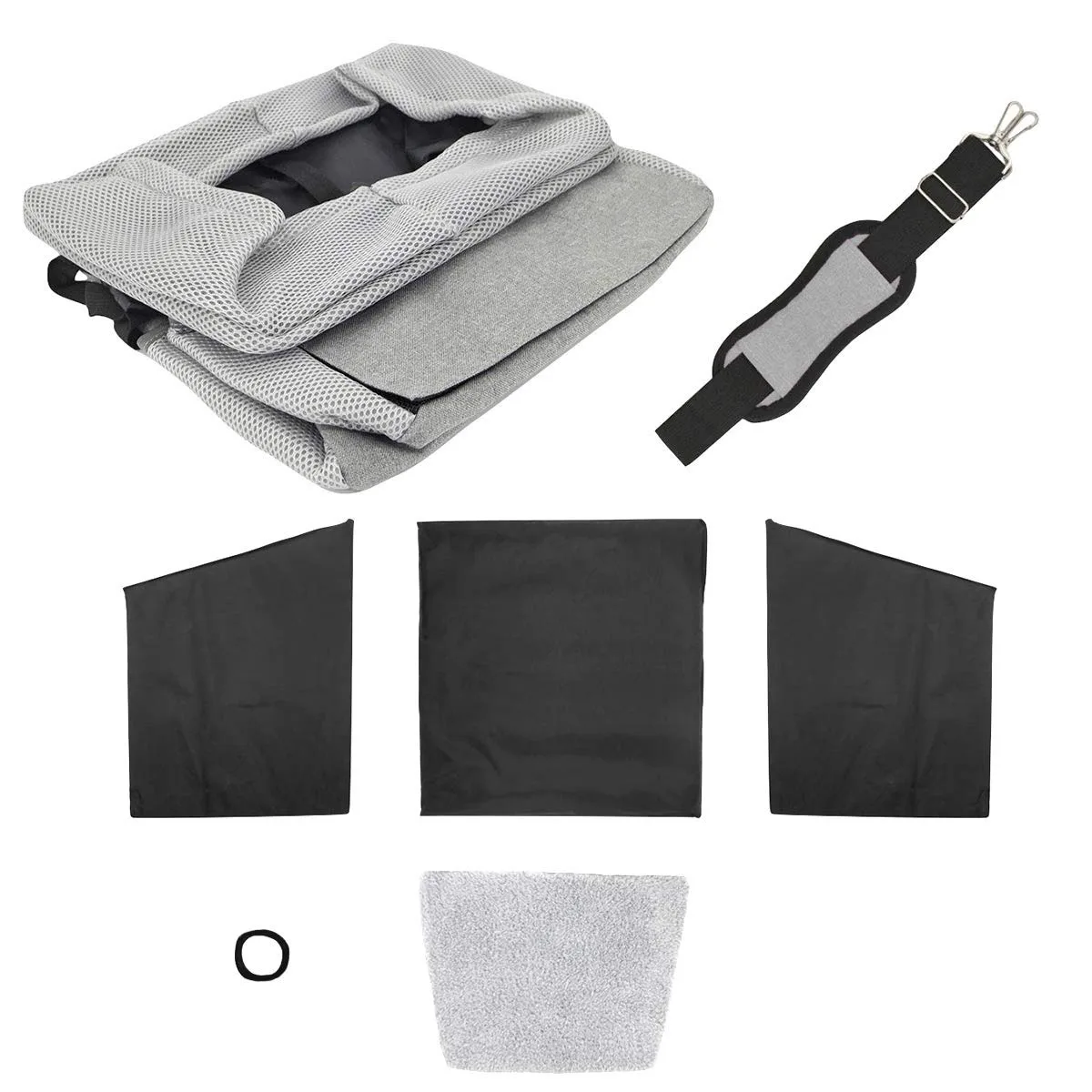
Assembly behaviour: seams, needles and water resistance
Coated materials behave differently under a needle than textiles do, and these differences should feed directly into both the tech pack and the costing model. Sealing is the most important. Because films do not wick or felt, each needle puncture is a potential leak path; genuine waterproof claims require seam sealing tape applied over the stitch line, which adds both a process and a labour cost that buyers frequently omit from first budgets.
Needle selection and stitch density belong in the specification. Damaged needles heat up, melt film slightly and leave holes that later propagate; denser stitching does not solve the problem, it multiplies it. Higher film-friction material also causes feed issues, slowing output and raising labour cost per unit in ways that will not appear in the fabric quotation.
Finally, consider the check that matters most: water resistance should be tested on the finished sewn assembly rather than the flat material. A fabric passing hydrostatic resistance at 3,000 mm will not help if the seam leaks at contact pressure, so testing the assembly is the only meaningful verification.
These assembly constraints change how the design should be drawn. Vinyl tolerates fewer seams than textile and shows every one of them, so panels should be consolidated wherever the shape allows and stitch lines kept away from high-flex zones such as strap attachment points. Needle size and thread type belong in the tech pack rather than on the line floor, because an incorrect needle produces visible perforations that become tear starters under load and are among the most common reasons a structurally sound coated bag fails in service.
Cost structure of a vinyl programme: film, backing and labour
Vinyl looks expensive per metre and is often cheaper per finished unit than buyers expect, because a coated fabric replaces several layers of a textile build. It also hides its cost in places a fabric quotation does not show. Four lines decide the number.
Film thickness is the first. Coated fabric is sold by total weight and by film thickness, and moving from 0.25 mm to 0.40 mm of film raises material cost materially while improving cold-crack behaviour and puncture resistance - a trade worth making for cold-climate programmes and worth avoiding for temperate ones. Backing fabric is the second: a cheap scrim saves money and reduces tear strength at stitch lines, which is precisely where coated pet bags fail.
Labour is third and usually the surprise. Vinyl does not fray, so edge finishing is simpler, but it does not feed like textile, it marks under presser-foot pressure, and any seam that must resist water needs either a welded construction or a sealed seam tape. Both are slower than a plain lockstitch. Fourth is tooling: embossing rollers and print cylinders are fixed charges that behave like a second minimum order, spreading thinly over 5,000 units and dominating 500.
| Cost line | Share of unit cost | What drives it | Note for buyers |
|---|---|---|---|
| Coated fabric (film and backing) | 28-38% | Film thickness, backing scrim | Thicker film buys cold-crack margin |
| Cutting and sewing labour | 20-28% | Feed behaviour, seam sealing | Slower than a comparable textile build |
| Welding or seam sealing | 4-9% | Water-resistance target | Omit only where wipe-clean is enough |
| Hardware and trim | 8-13% | Corrosion-resistant grades | Cheap plating fails in humid markets |
| Embossing, print and tooling | 2-8% | One-off plate or roller charge | Fixed cost; behaves like an MOQ |
| Compliance testing | 2-5% | Destination market scope | Phthalate and heavy-metal panels |
| Packing | 3-6% | Crease prevention | Vinyl marks if folded tight |
The practical conclusion is that the cheapest way to reduce unit cost on a coated programme is to simplify the seam and the packing specification rather than to thin the film. Thinning the film moves the product across a cold-crack threshold that then appears as warranty returns inside a single season, whereas removing a marginal weld or rethinking the fold pattern takes out real cost without touching the property the buyer actually paid for.
Buyers comparing quotations should also insist that film thickness and backing construction are stated on the quote rather than only total gsm. Two quotes at identical weight can differ by 0.1 mm of film, and that difference is invisible at quotation and obvious at the first winter.
MOQ, colour runs and order quantity strategy
Coated programmes run at MOQ 500 pieces per colourway, but the effective minimum is usually set by the mill rather than by the sewing line. Coated fabric is produced in runs, and a shade outside the mill's standard card commonly carries a minimum in the region of 800-1,200 metres, which can exceed what 500 units consume when the cutting pattern is inefficient. That leaves three options: accept a standard shade, pay a surcharge for a short custom run, or raise the order quantity.
The second fixed cost is tooling. An embossing pattern or a printed graphic needs a plate or cylinder, and the charge does not scale with quantity. On a 500-piece first order it adds a visible amount to every unit; on a 3,000-piece reorder of the same design it is already sunk. Buyers planning a range should therefore decide which designs are repeaters and which are one-season experiments before commissioning tooling, because the economics of the two are entirely different.
Order quantity strategy follows from those two constraints. The efficient pattern is one base construction offered in several colourways drawn from standard mill shades, one set of tooling amortised across the range, and a first order large enough to clear both the fabric minimum and the tooling break-even. Splitting the same volume across four constructions achieves none of that and generates four sets of sampling cost.
Channel requirements should be read before the order is placed rather than after. Marketplaces and national retailers increasingly ask for a documented phthalate statement and a restricted-substance file on coated articles before they will list them, and in the United States a Prop 65 assessment decides whether a warning has to appear on the product page. Testing to recognised methods published by ASTM and, where children's product rules are in scope, the regime administered by the CPSC, is what turns a supplier assurance into a defensible listing.
Commercial terms are unchanged: T/T 30/70, FOB Xiamen, sampling in 6-10 working days and bulk in 35-50 days after sample approval, with pre-shipment inspection at AQL 2.5. Because coated fabric is ordered rather than held in stock, the deposit release date is what books the mill slot, and buyers working to a fixed listing date should treat that payment as the start of the schedule rather than as a formality.
Where vinyl earns its price premium
Wipe-clean materials cost more and carry more compliance burden, so they should be justified by a clear commercial mechanism. Three situations reliably support the premium, and one does not.
- Shared or rapid-turnaround use. Where several unrelated animals use the same bag, disinfection between uses is a requirement rather than a preference.
- Wet environments. Wet-climate programmes, grooming transport and aquatic-use products benefit from surfaces that neither absorb nor stay damp.
- Professional channels. Veterinary and boarding buyers pay for reduced labour cost per cleaning cycle, a return they quantify easily.
- Not justified: fashion ranges where hygiene is not differentiated on the product page, since the added cost will simply reduce margin without adding perceived value.
Where vinyl does not fit the whole build, partial application often does - a coated base panel, an easy-clean mat insert or a removable wipe-clean liner captures most of the benefit at a fraction of the cost and with far less compliance exposure.
Our production team prices both approaches and quotes against written test targets, sampling in 6-10 working days and producing in 35-50 days under AQL 2.5 inspection. Related reading includes our guidance on material selection and EU chemical compliance, both of which interact with this decision.
The final test is whether the premium survives the channel. Vinyl earns its cost where products are shared, cleaned frequently or sold on a hygiene promise, and it wastes it where the customer is choosing on softness, weight or packability. Buyers running a mixed assortment should therefore assign coated fabrics to the hygiene-led SKUs and keep textile constructions for the comfort-led ones, rather than upgrading an entire range and paying for a property that half the assortment does not need.
Production capability
- SGS-verified production space of 4,950 m², 149 machines, 7 assembly lines
- Pet bag output since 2014 from a 137-person team
- 200,000 units shipped monthly under BSCI and ISO 9001 systems
People Also Ask
Is vinyl good for dog bags?
Excellent for wet use, shared use and professional channels because the surface disinfects instantly. Less suitable where breathability and softness against fur are the selling points.
How do you clean vinyl pet bags?
Wipe with a damp cloth and mild detergent or a diluted disinfectant, then dry. No laundering or drying time is required, which is the material's core advantage.
Does vinyl contain phthalates?
Some flexible PVC formulations historically did. Compliant formulations use alternative plasticisers; require a named-substance declaration rather than a general statement.
What is the difference between PVC and TPU?
PVC is cheaper with wider availability and greater cold stiffening; TPU is cleaner chemically, more flexible and significantly more expensive.
Is vinyl heavier than polyester?
Yes, moderately, because the film adds mass. The additional weight is modest compared with canvas but should still be reflected in freight calculations.
Does vinyl scratch easily?
It can show scuffing where textiles absorb it invisibly. Darker colours hide marking better, and embossed surfaces conceal wear best.
Frequently Asked Questions
Is vinyl safe for pets?
Coated fabrics meeting restricted-substance limits for the destination market are standard across the category. What matters is documented evidence for the specific plasticiser system used, not a generic compliance statement.
Is vinyl the same as PVC?
In this context vinyl usually means PVC film laminated to a textile. TPU and silicone-coated constructions offer similar cleanability without PVC's chemical profile, at higher cost.
How much does vinyl add to unit cost?
Typically 8-15% above standard PU-coated polyester on the fabric line, which translates into a few percent of FOB cost. TPU variants cost substantially more and also increase labour due to slower handling.
Does vinyl crack in cold weather?
It can, since films stiffen as temperature falls. Specify a cold crack temperature at least 10 C below your coldest expected handling condition, and test to a stated method.
Can vinyl pet bags be waterproof?
Yes, provided seams are sealed. Without seam sealing, needle holes leak even though the film itself is impermeable, so always test the finished assembly.
Why does vinyl smell when new?
Residual volatiles from the film, not contamination. Specifying low-volatile constructions, aerating stock before dispatch and choosing TPU where odour sensitivity is critical all reduce complaints.
Is PVC banned in Europe for pet products?
Not generally, though specific plasticisers are restricted and several retailer policies exclude them regardless of test results. Always check your channel's policy alongside legal requirements.
What documentation should accompany vinyl orders?
A named-substance declaration against current restricted lists, third-party test reports where requested, and clear allocation of Prop 65 warning responsibility for US shipments.
Does vinyl breathe?
No. Films are non-porous, so ventilation must be provided through mesh panels or a breathable top panel designed into the structure.
How should vinyl bags be packed for shipping?
Minimally folded with protective interleaving, or rolled where possible, and validated for summer container conditions, since creases can become permanent marks or film cracks.
Is TPU worth the premium?
Where retailer chemical policy excludes certain PVC plasticisers, or where cold flexibility and low odour are decisive, yes. Otherwise PVC with documented compliance usually offers better value.
Can vinyl be printed or embossed?
Yes. PVC embosses well and accepts screen printing, while TPU takes certain inks less readily. Confirm print adhesion with a wash and rub test before bulk.
What is the real minimum order for a custom vinyl colour?
MOQ 500 pieces per colourway on the sewing side, but non-standard coated shades often carry a mill minimum of 800-1,200 metres. Standard shades are the cheap route; custom runs either carry a surcharge or need a larger order.
Why do two vinyl quotes at the same weight perform differently?
Because total gsm hides film thickness. Two fabrics of identical weight can differ by 0.1 mm of film, and the thinner one will crack sooner in cold service. Always ask for film thickness and backing construction on the quotation.
Talk to QUANZHOU JUNYUAN BAGS about a wholesale pet bag order: MOQ 500 pieces per colourway, samples in 6-10 working days, bulk production in 35-50 days under AQL 2.5 inspection.
Get a free quote Request a sample