Stain Resistant Pet Bag: Easy Clean Finishes for Bulk Orders
An easy-clean pet bag should release common soils in one wipe of under 60 seconds and hold a soil release grade of 4 or better after five wash or wipe cycles. Achieving that needs a non-porous face, typically PVC vinyl, PU-coated polyester or a TPU laminate, plus stain-repellent chemistry and seams that do not trap residue. Porous fabric cannot be finished into an easy-clean surface.
Stain resistance is bought for a reason that rarely appears in the specification: labour. Veterinary clinics, groomers and boarding operators judge a bag by how long it takes to clean between animals, and a surface that needs scrubbing is a surface that gets replaced. Retail customers judge it on whether a muddy paw print comes off at all, which decides the review.
Commercial planning follows the standard frame. MOQ 500 pieces per colourway, prototype sampling in 6-10 working days once the face material and finish are confirmed, and bulk production of 35-50 days after approval and deposit. Release runs against AQL 2.5 for major defects, with soil release and wipe tests performed on the approval sample and repeated weekly during production.
The rule that saves money in this category: buy the surface, not the additive. A stain-repellent finish on an absorbent fabric delays staining; a non-porous face prevents it, and the difference shows up after the fifth cleaning rather than the first.
Pet bag tiered pricing usually breaks at three quantity points, and Material & Technology determines which point is realistic for a first order. Cheap pet carriers wholesale quotes that ignore carton cubage tend to lose their advantage once freight is added, so pet bag unit cost wholesale is the only number worth comparing.
What Easy Clean Means in a Wholesale Specification
Easy clean is used as an adjective and should be used as a number. The workable definition has three measurable parts. The first is cleanability: the time and the number of wipes needed to remove a standard soil from a defined area, and a realistic target is a single pass in under 60 seconds with water or a mild detergent. The second is soil release grade after repeated cleaning, which should stay at grade 4 or better after five cycles. The third is staining resistance, meaning the degree to which a soil leaves a permanent mark after the cleaning attempt.
Defining the soil matters as much as defining the test. Pet bag soils are specific: mud, saliva, urine, food grease, hair and, in clinical settings, disinfectant residue. A fabric that releases a standard laboratory oily soil can still hold a protein-based stain, and vice versa, so the specification should name two or three soils relevant to the channel rather than relying on a single generic result.
Disinfectant compatibility is the clause most buyers forget, and it is the one that fails in professional channels. Veterinary and grooming operators wipe surfaces with quaternary ammonium or chlorine-based products several times a day, and some coatings craze, stiffen or discolour under that exposure. Ask the supplier to run a 100-cycle disinfectant wipe test on the actual face material before approval, not after the first complaint.
The second clause buyers omit is the cleaning agent itself. A surface approved against mild detergent may behave completely differently against an alcohol wipe, and professional operators reach for whatever is on the cart. Name the approved agents in the specification, test against the harshest one the channel actually uses, and state the result on the care card so that the operator and the product agree.
Finally, define what easy clean excludes. It does not mean stain proof, it does not mean machine washable, and it does not mean the product survives an abrasive scour. A specification that states the cleaning method, the agent and the number of cycles protects both sides when a customer uses a solvent that no coating is expected to survive.
Face Material Options: Vinyl, Coated Polyester and TPU Laminate
Three material families cover essentially all easy-clean pet bags, and the choice sets both the price and the service life. PVC vinyl is a non-porous film over a knitted or woven base, wipes clean almost perfectly, and is the cheapest route. PU-coated polyester keeps a textile hand feel and a printed appearance while resisting liquid penetration at the face. TPU laminate is the premium option, combining a soft hand with excellent stain release, low-temperature flexibility and resistance to the hydrolysis that affects some polyurethane systems.
The trade-offs are commercial as well as technical. Vinyl is heavy, stiffens in cold weather and carries plasticiser questions in regulated markets, but it is unbeatable on cleaning performance and unit cost. PU-coated polyester is lighter, prints well and looks less clinical, which matters in fashion-led retail, but it is a coating rather than a film and will eventually wear through at high-abrasion points. TPU solves most technical objections and costs 1.60-3.20 USD more per metre.
| Face material | Cleanability | Abrasion life | Added cost per metre | Main risk | Typical channel |
|---|---|---|---|---|---|
| PVC vinyl | Excellent, single wipe | Moderate | 0.30-0.80 USD | Cold stiffening, plasticiser scrutiny | Clinical, price-led retail |
| PU-coated polyester | Good, one to two wipes | Good | 0.35-1.30 USD | Coating wear at corners | Mainstream retail and online |
| TPU laminate | Excellent, single wipe | Very good | 1.60-3.20 USD | Cost and lead time | Premium, cold climate |
| Uncoated polyester with finish | Fair, needs scrubbing | Good | 0.10-0.30 USD | Stains into the fibre | Dry-use only |
| Canvas with finish | Poor | Very good | 0.20-0.50 USD | Absorbs and holds soil | Fashion, not cleanable |
Read the last two rows as a warning rather than an option. A finish on an absorbent fabric changes the first cleaning experience and nothing after it, because soil that penetrates the fibre cannot be wiped away. If the product is sold on easy clean, the face has to be non-porous, and that is a material decision made before any chemistry is applied.
Soil Release and Stain Repellent Finishes: What They Actually Do
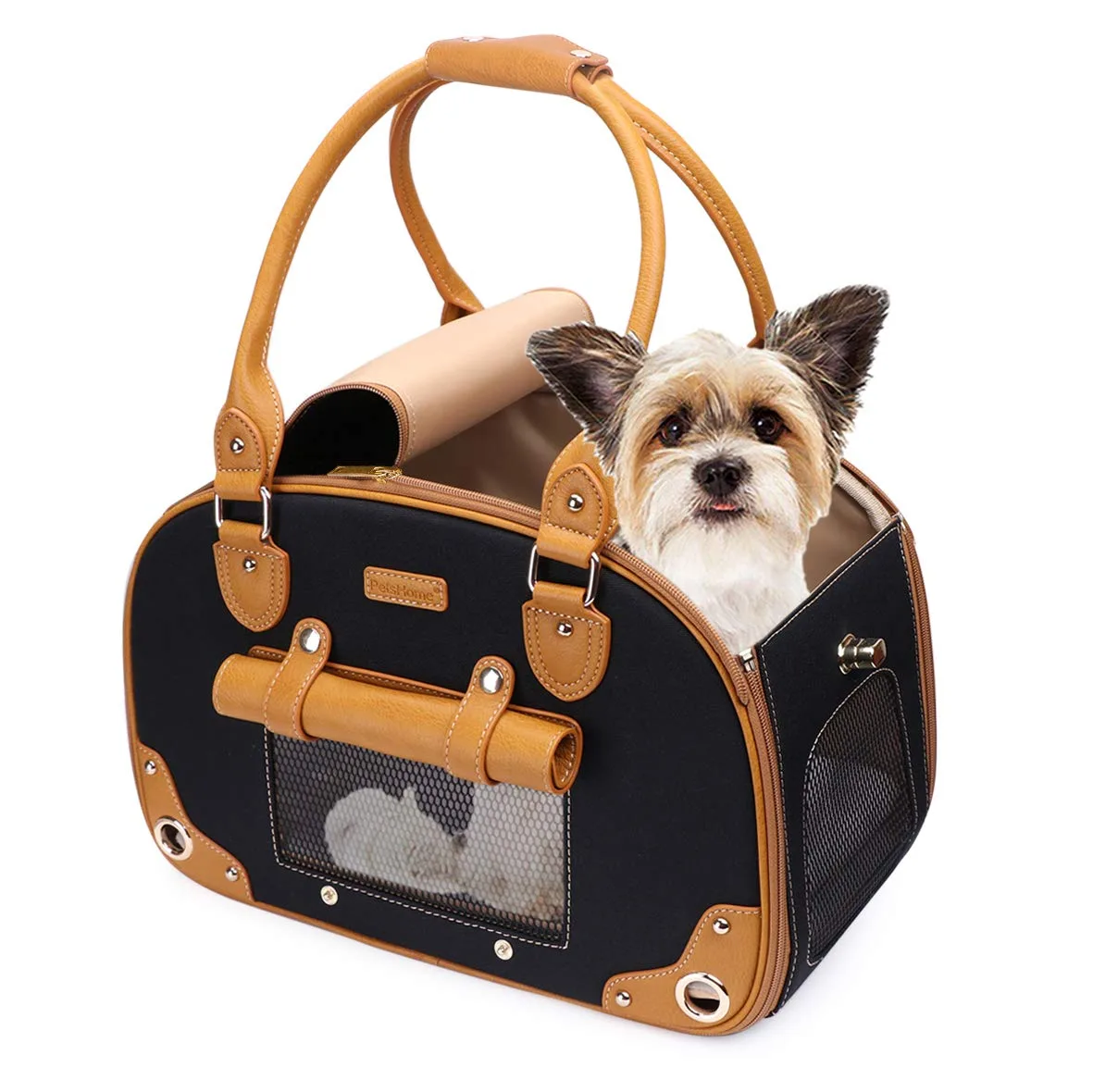
Two finish families appear on quotations and they work in opposite ways. Stain repellent finishes raise the surface energy barrier so liquid sits on top and can be blotted before it penetrates. Soil release finishes do the reverse on the hydrophilic side, making the fibre easier to wet during laundering so that any soil which did penetrate is carried out in the wash. For a wipe-clean product the repellent route is the one that matters; for a washable liner the release route does the work.
Cost is modest relative to the material. A stain repellent finish adds 0.10-0.35 USD per metre and a soil release finish adds 0.15-0.40 USD, and both can be applied together in a dual-action system for programmes that are both washable and wipeable. Durability is the limiting factor: repellency declines with abrasion and with washing, and the specification should state performance after five and after twenty cycles rather than only on new fabric.
Chemistry selection is regulated and worth confirming in writing. Modern programmes use short-chain or non-fluorinated repellents, while legacy long-chain fluorinated chemistry draws regulatory attention in Europe and in several US states. Ask the supplier to declare the finish chemistry on the fabric lot rather than in general terms, and keep the declaration with the import file.
There is also a low-technology option that outperforms both finishes on cost: a smooth, tightly constructed face with a calendered surface. Soil sits on a smooth surface and releases more easily from a rough one, and specifying a higher yarn count or a calendered finish costs nothing per metre while measurably improving wipe-clean time.
Construction Details That Decide Cleanability
Two bags built from the same vinyl can differ enormously in how long they take to clean, and the difference is construction. Soil collects in crevices, and every welt, piping, exposed seam allowance and decorative topstitch is a crevice. Specifying welded or tightly bound seams rather than topstitched welt seams removes the channels that hold residue, and it is the single highest-value construction change available in this category.
Thread choice matters more than buyers expect. Standard polyester thread is absorbent and wicks liquid into the seam, which is why a cleaned vinyl bag can show a dirty seam line. Specifying a hydrophobic or bonded thread, or covering the seam from the inside with tape, removes that line. It costs cents and prevents the most photographed defect in clinical environments.
Interior design is the second half of cleanability. A removable liner that can be taken out and washed separately converts a scrubbing job into a laundry job; a smooth interior with no exposed foam edges prevents liquid from soaking into padding that cannot be reached; and a base panel with radiused corners rather than square ones removes the place where residue always collects. Ask for radiused interior corners in the technical pack, because it is a drawing note rather than a cost item.
Ventilation panels deserve the same scrutiny, since a mesh panel on a wipe-clean bag is by definition a surface that collects hair and residue. Place mesh above the splash line rather than at floor level, specify a mesh that can be brushed out rather than one with a fine inner scrim, and where the channel demands full cleanability, replace the mesh with a perforated coated panel. Perforation costs more than mesh but keeps the entire interior on one cleaning routine.
Hardware and fastenings close the list. Exposed rivets and snap fasteners trap residue and rust under disinfectant exposure; covered rivets or welded attachment points clean better and last longer. Zippers should be specified with a coated tape for the same reason, and a zipper garage prevents the slider from sitting in a puddle of whatever is being cleaned off the surface.
Test Methods and Acceptance Criteria for Stain Resistance
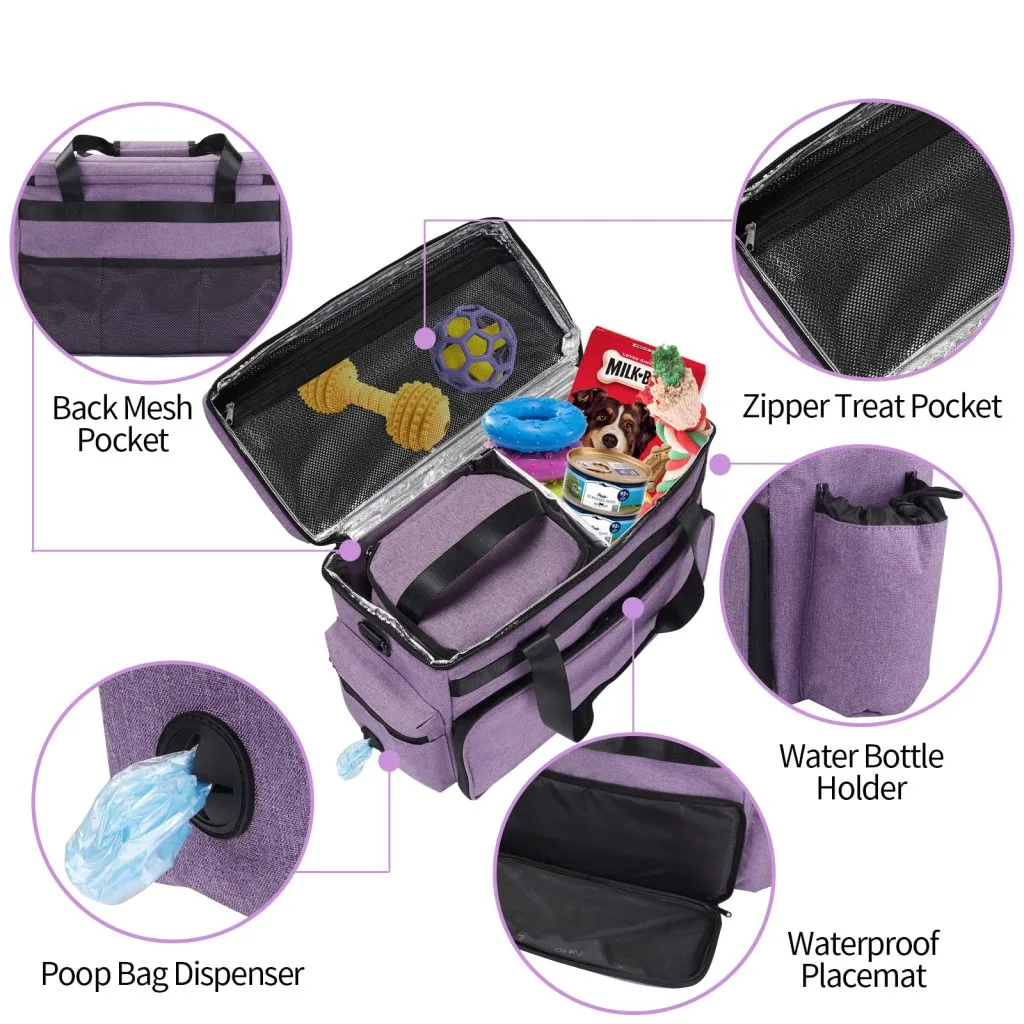
Cleanability claims are cheap to test and cheap to enforce once the method is named. Soil release is graded with a standard method from the AATCC library, surface repellency is graded with the spray or hydrocarbon resistance methods, and colour transfer from a cleaned surface is graded with crocking methods. Standardised laundering before retesting is governed by the ISO washing series.
The acceptance criteria that work in wholesale production are: soil release grade 4 or better on new fabric and grade 3-4 or better after twenty cycles; a single-wipe removal of a defined soil within 60 seconds; no colour transfer at grade below 4 after cleaning with the channel's disinfectant; and no cracking, stiffening or discolouration after 100 disinfectant wipe cycles.
| Test | Method family | Acceptance | Stage |
|---|---|---|---|
| Soil release | AATCC soil release | Grade 4 new, 3-4 after 20 cycles | Fabric approval |
| Wipe clean time | Internal, defined soil | Under 60 seconds, single pass | Sample and weekly in production |
| Disinfectant resistance | 100 wipe cycles | No cracking or discolouration | Sample approval |
| Colour transfer | AATCC crocking | Grade 4 dry, 3-4 wet | Fabric approval |
| Contact safety | OEKO-TEX Standard 100 | Current certificate | Annual or per lot |
The internal wipe test is the one that predicts customer satisfaction, and it costs nothing to run. Define a soil, apply a fixed amount to a marked area, wait a fixed time, wipe once with a defined cloth and pressure, and grade the residue against a photographic standard. Run it on the approval sample and on one piece per production week, and the claim stays true across the season.
Cost Structure, MOQ 500 and Price Banding
Easy-clean features are among the better value additions in pet bag sourcing. A PVC vinyl face costs 0.30-0.80 USD more per metre than an uncoated equivalent, a PU coating 0.35-1.30 USD, and TPU 1.60-3.20 USD; on a bag using about 1.2 metres, the material step is under 4 USD at the premium end. Stain or soil release finishes add 0.10-0.40 USD per metre. Welded or bound seams instead of topstitched welts add 0.20-0.60 USD per bag in labour, and a removable liner adds 0.80-2.20 USD.
Where budgets are tight, the priority order is non-porous face first, seam construction second, removable liner third, finish chemistry last. That order reflects the physics: a porous surface cannot be rescued by any finish, whereas a non-porous surface performs acceptably even without an additive.
MOQ behaviour is standard. MOQ 500 pieces per colourway is where fabric, coating and trim purchases stop carrying small-lot surcharges, and price steps at 500, 1,000 and 3,000 pieces with the sharpest movement between 500 and 1,000. Terms are FOB Xiamen with T/T 30/70. Welded construction is the exception to the usual lead-time pattern and should be quoted with its own tooling and setup line so that comparisons against sewn alternatives remain honest.
Budget for the care and cleaning card as a compliance item rather than a marketing extra. It should state the approved cleaning agents, the method and what voids the surface warranty, and printing it in the destination languages costs 0.05-0.20 USD per unit. It is the cheapest protection available against a claim that the surface failed when it was actually exposed to a solvent.
One cost item is routinely overlooked and regularly causes disputes: the spare liner. Programmes that specify a removable liner should also supply spares, because a professional operator wants a second liner while the first is in the wash. Ordering liners with the bags costs 1.20-3.40 USD each and shares the fabric lot, whereas a later reorder carries its own minimum and a visible shade difference the customer will notice.
Colour Selection: Light Shades, Dye Migration and Stain Visibility
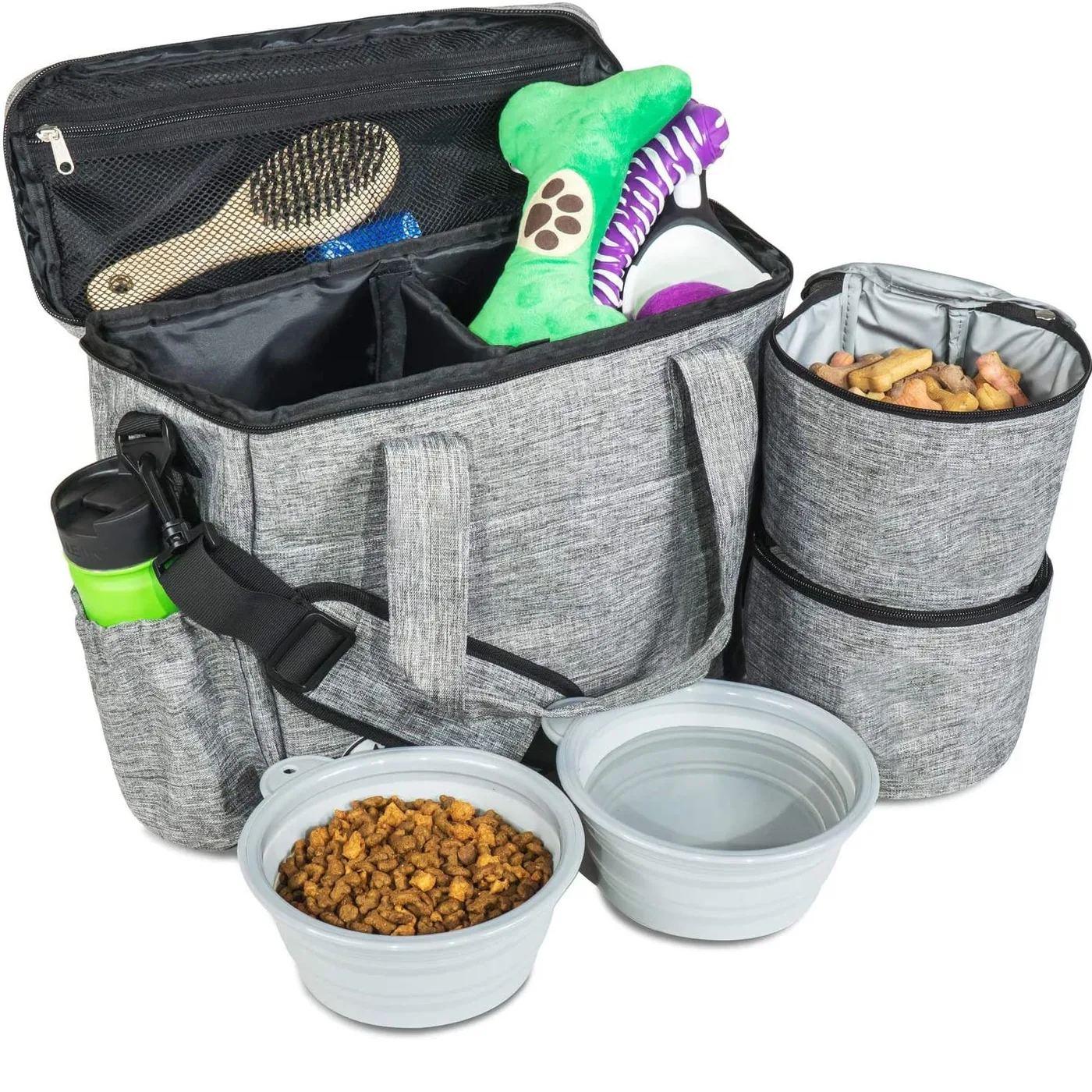
Colour is a cleanability decision, not only a design one. Light colours show every mark, which makes them attractive in clinical settings where visible cleanliness reassures the operator and unattractive in muddy outdoor use where every mark is visible to the customer. Dark colours hide soil between cleanings but also hide the residue that a professional operator needs to see, which is a hygiene argument in the opposite direction.
Dye migration is the technical risk that catches importers. Plasticised PVC and some coatings allow dye or plasticiser to move between surfaces in contact, so a dark bag stored against a light one can transfer colour, and printed logos can bleed at the edges over time. Specify migration-tested colourways and require a contact storage test on the approval sample before a mixed-colour shipment is booked.
Print durability interacts with cleaning. A printed pattern on a wipe-clean surface is only as durable as its topcoat, and disinfectant exposure will lift an unprotected print within weeks. Specify prints with a protective topcoat or, better, use embossed or heat-transfer decoration that sits under a clear wear layer.
Packaging deserves a note here as well, because a mixed-colour carton is exactly the condition under which migration damage appears in transit. Ask for colour-separated inner packing, or a tissue interleave, on shipments that combine light and dark colourways; it costs a few cents per carton and prevents the arrival condition that generates the claim. The practical recommendation for wholesale programmes is to offer one light clinical colour and one dark retail colour rather than a wide palette. Two colourways at 500 pieces each concentrate the dye-lot and coating minimums into viable purchases, keep the migration risk manageable, and give the channel partners a clear choice that maps to how they will use the product.
Sampling, Bulk Scheduling and AQL 2.5 Inspection
Sampling an easy-clean programme should include the cleaning tests, which adds a few days and prevents a season of complaints. After face material, finish and seam construction are confirmed, allow 6-10 working days for a prototype, plus two to three days for soil release, wipe and disinfectant cycle testing. Approve on the test results; a vinyl sample that looks clean in a photograph tells you nothing about how it behaves after 100 disinfectant wipes.
Bulk production runs 35-50 days after approval and deposit. The critical path items are the coated or laminated fabric, which is made to order for most colourways, and any welded tooling. Confirm both at deposit and freeze the seam construction at approval, because changing from bound to topstitched seams after approval changes both the cleanability and the labour content of the order.
Inspection follows AQL 2.5 for major defects and AQL 4.0 for minor defects, with category-specific items written into the plan. Relevant major defects include a substituted face material, missing topcoat on printed panels, exposed absorbent seam allowances, and a wipe test failure on pieces drawn from the sample. Minor defects include print misalignment and light surface marking that does not affect cleaning.
Documentation for release should include the inspection report, the wipe test record, and the soil release report for the fabric lot used, along with the disinfectant compatibility statement. Professional channels increasingly ask for exactly this file before approving a supplier, and having it ready at shipment shortens the sales cycle for the next order.
Channels and Use Cases Where Easy Clean Pays for Itself
Easy-clean construction is not equally valuable everywhere, and identifying the channels that pay for it is a margin decision. It pays for itself in veterinary and grooming environments, where the product is cleaned many times a day and where labour cost dominates; in boarding and transport operations, where turnaround between animals is the constraint; in food-adjacent products, where a lining may need a food-contact declaration; and in any product sold with a washable or wipeable claim that a marketplace may ask to see documented.
It pays for itself less in fashion-led retail, where hand feel and appearance drive the purchase and where a clinical-looking vinyl surface can depress conversion, and in dry indoor use, where the bag may never be soiled. In those programmes a coated polyester with a repellent finish gives acceptable performance without the clinical look.
Compliance follows the channel. Coatings and plasticisers must satisfy REACH substance restrictions for the European market, animal-contact surfaces are best certified to OEKO-TEX Standard 100, and any lining described as food-contact safe needs its own declaration under the relevant food-contact regulation rather than a general textile certificate. Asking for those documents at sample stage is far cheaper than retrofitting them after a retailer asks.
The closing advice for buyers is to sell the cleaning method rather than the adjective. A product page that says wipe clean in under 60 seconds with a mild detergent, tested over 100 disinfectant cycles, is specific, defensible and matches what the factory actually verified, and it outperforms the word easy clean on both conversion and returns.
Buyers should also plan the second season from the first one's data. Track which soils generate complaints, which cleaning agents customers actually use, and how often liners are reordered, then adjust the face material and the care card accordingly. Programmes that do this typically either step up to TPU for professional accounts or step down to coated polyester for retail accounts, and in both directions the change is driven by evidence rather than by a supplier's suggestion.
Production capability
- SGS-verified production space of 4,950 m², 149 machines, 7 assembly lines
- Pet bag output since 2014 from a 137-person team
- 200,000 units shipped monthly under BSCI and ISO 9001 systems
People Also Ask
What makes a pet bag easy to clean?
A non-porous face such as vinyl, PU-coated polyester or TPU laminate, combined with bound or welded seams and a removable liner. Finish chemistry alone is not enough.
Is stain resistant the same as stain proof?
No. Stain resistance delays penetration and improves release. Given enough time and an aggressive soil, any textile surface will mark.
Which is better for pet bags, vinyl or coated polyester?
Vinyl cleans best and costs least but stiffens in cold. Coated polyester looks better and prints well but wears through at high-abrasion points.
How do you test stain resistance?
With a graded AATCC soil release method, a defined wipe-clean time test, and a repeated disinfectant cycle test for professional channels.
Do stain repellent finishes wash out?
They decline with washing and abrasion. Specify performance after five and twenty cycles so acceptance reflects a used product.
Are stain resistant finishes safe for pets?
Current short-chain and non-fluorinated products with an OEKO-TEX certified surface are the standard safe choice for animal contact.
Frequently Asked Questions
What is the MOQ for a stain resistant pet bag programme?
MOQ 500 pieces per colourway, with price steps at 500, 1,000 and 3,000 pieces. Coated and laminated fabrics carry mill lot minimums that make smaller runs disproportionately expensive.
Which face material cleans best?
PVC vinyl wipes clean in a single pass and is the cheapest option. TPU laminate matches it on cleanability with better cold flexibility, at 1.60-3.20 USD more per metre.
Can a stain finish make canvas easy to clean?
Not reliably. Soil that enters an absorbent fibre cannot be wiped out, so easy-clean claims require a non-porous face rather than a finish on a porous fabric.
How is soil release graded?
With a standard AATCC soil release method, reported as a grade. Specify grade 4 on new fabric and grade 3-4 after twenty wash or wipe cycles.
Do disinfectants damage the surface?
Some do. Quaternary ammonium and chlorine products can craze or stiffen certain coatings, so require a 100-cycle disinfectant wipe test on the actual face material.
What construction detail improves cleanability most?
Replacing topstitched welt seams with bound or welded seams. Welt and piping crevices are where residue collects and where a cleaned bag still looks dirty.
Is thread a problem on wipe-clean bags?
Yes. Standard polyester thread wicks liquid into the seam and leaves a dirty line. Use hydrophobic or bonded thread, or cover the seam from the inside.
How much does easy-clean construction add per unit?
Typically 1.50-4.00 USD depending on face material and seam method. The material step is under 4 USD at the premium end on a typical bag.
Should we offer light or dark colourways?
Offer both for different channels. Light colours show soil and suit clinical buyers; dark colours hide it and suit retail and outdoor use.
Is dye migration a risk with these materials?
Yes, particularly with plasticised PVC in contact storage between dark and light goods. Require a migration test on the approval sample before booking a mixed shipment.
How long do sampling and bulk take?
Sampling takes 6-10 working days plus two to three days for soil release, wipe and disinfectant testing. Bulk production runs 35-50 days after approval.
What documents should ship with the order?
The inspection report, the wipe test record, the soil release report for the fabric lot, the disinfectant compatibility statement and the OEKO-TEX certificate for contact surfaces.
Talk to QUANZHOU JUNYUAN BAGS about a wholesale pet bag order: MOQ 500 pieces per colourway, samples in 6-10 working days, bulk production in 35-50 days under AQL 2.5 inspection.
Get a free quote Request a sample