Odor Resistant Pet Bag: Anti-Bacterial Specs for Wholesale
An odor-resistant pet bag combines an antibacterial finish that reaches 99 percent reduction against test organisms under ISO 20743, a non-absorbent padding that dries within 4 hours, and an odour control layer such as activated carbon where the channel justifies it. The finish alone does not remove odour if the bag stays damp, because bacteria need moisture more than they fear chemistry.
Odour is the single most common return reason in the pet bag category, and it is almost always a design outcome rather than a defect. Three variables decide it: how much moisture the construction retains, how quickly it dries, and whether the surfaces that contact the animal support bacterial growth. Buyers who address the first two spend less and get better results than buyers who buy a finish and stop there.
Where chemistry is specified, define it precisely and check the regulatory position first. Antibacterial claims are regulated in both the United States and the European Union, and the wording on your listing must match what the test report supports. Plan the programme around MOQ 500 pieces per colourway, prototype sampling in 6-10 working days, and bulk production of 35-50 days after approval and deposit.
Release runs against AQL 2.5 for major defects. The buying rule is worth stating plainly: control moisture first, apply antibacterial chemistry second, and treat activated carbon as a channel-specific upgrade rather than a default.
Pet bag market trends point to two things a buyer can act on: lighter shells and stricter chemical files, both of which land on Material & Technology. Pet carrier market size forecasts are useful for range planning but not for pricing, and pet bag market analysis should be read as a channel question rather than a volume promise.
What Odor Resistance Means as a Buyable Specification
Odour resistance is a claim with no agreed unit, which is exactly why it is abused in wholesale listings. To make it purchasable, split it into three measurable parts. The first is antibacterial performance, expressed as a percentage reduction or a log reduction against named test organisms under a named method. The second is odour intensity, assessed by a trained sensory panel against a scale after a defined soiling and ageing period. The third is durability, meaning the reduction still achieved after a stated number of washes or wipe cycles.
The numbers that work in production are a 99 percent or greater reduction against standard test organisms on a new fabric, and a 90 percent or greater reduction after twenty wash cycles for a washable product. Sensory panel targets should be set as a maximum acceptable intensity after 24 hours of ageing at a stated temperature, because a bag that smells fine when new and unpleasant after one night of use has failed regardless of what the antibacterial report says.
Be explicit about what the claim does not cover. An antibacterial finish addresses bacterial growth on the treated surface. It does not remove odour molecules already present in the air, it does not neutralise ammonia from urine that has soaked into an absorbent padding, and it does not mask the volatile organic compounds that some foams and coatings release when new. Buyers who understand those three limits stop buying the wrong solution.
Write the requirement as a single testable sentence in the technical pack: treated surfaces shall achieve 99 percent reduction under the named method on new fabric and 90 percent after twenty cycles, with a sensory panel score no worse than the agreed threshold after 24 hours of ageing. That sentence is enforceable at inspection; the word odor-resistant on its own is not.
Where Pet Bag Odour Actually Comes From
Understanding the source is what separates a cheap fix from an expensive one. Pet bag odour has four origins. Bacterial metabolism is the main one: bacteria break down saliva, urine and skin oils into volatile compounds, and they need moisture to do it, which is why drying time and odour complaints rise and fall together. Absorption is the second: an absorbent padding or a cotton lining holds the liquid that feeds the bacteria and keeps releasing odour long after the surface is wiped.
The third origin is material off-gassing, and it is the one most often misdiagnosed as a hygiene problem. Low-grade foam, some adhesives and certain coatings release volatile organic compounds that smell unpleasant in a sealed carton or a closed bag. A customer who opens a new product and smells chemicals will write a review about hygiene, when the actual cause is a material choice made to save cents on foam.
The fourth origin is cleaning residue. Detergent left in a liner, or a disinfectant that reacts with a coating, produces its own smell and can accelerate bacterial growth by leaving a damp film. This is why the care instructions matter to the odour outcome as much as the finish does.
Rank the fixes accordingly. Drying performance and non-absorbent materials remove the largest share of real complaints. Anti-bacterial chemistry addresses what remains on the surface. Adsorption materials such as activated carbon address airborne molecules and are the correct tool for the third and fourth origins, not the first.
Odour Treatment Routes: Antibacterial Finishes Compared
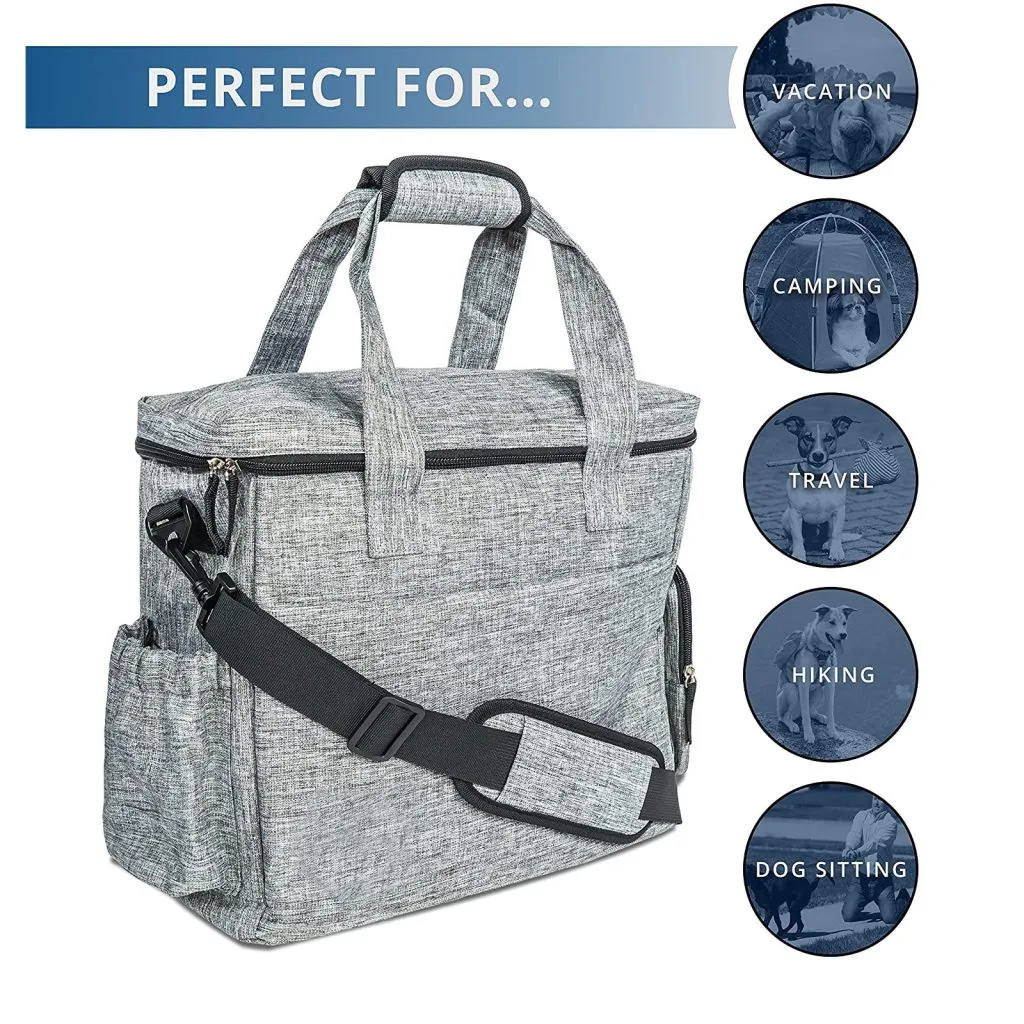
Four chemistry families appear in pet bag supply chains, and they differ on cost, durability and regulatory exposure. Silver ion systems are the best known, effective at low concentrations, and relatively durable because the silver is carried in a matrix that releases slowly. Zinc-based systems are cheaper and broadly effective but generally less durable through washing. Quaternary ammonium compounds bond to the fibre and work well on contact, though they can be affected by detergents. Bio-based options such as chitosan are attractive for marketing and for restricted-chemistry programmes, with lower durability.
| Chemistry | Typical reduction | Wash durability | Added cost per metre | Regulatory exposure | Best use |
|---|---|---|---|---|---|
| Silver ion | 99 percent plus | 20-30 cycles | 0.45-1.10 USD | Biocide registration in EU | Premium and clinical |
| Zinc based | 90-99 percent | 10-20 cycles | 0.25-0.60 USD | Biocide registration in EU | Mainstream retail |
| Quaternary ammonium | 95-99 percent | 15-25 cycles | 0.30-0.75 USD | Biocide registration in EU | Wipe-clean surfaces |
| Chitosan bio-based | 80-95 percent | 5-15 cycles | 0.35-0.90 USD | Lower, but still assessed | Eco-positioned lines |
| No finish, drying only | Not applicable | Not applicable | 0.00 USD | None | Dry-use programmes |
The regulatory column is the one buyers underestimate. In the European Union, a treated article making an antibacterial claim is treated as a biocidal product under the Biocidal Products Regulation, and the active substance must be approved for that product type. In the United States, antibacterial claims on textiles generally fall under pesticide and advertising rules, and the wording has to match the test evidence. Confirm the position for your destination market before you print a claim.
There is also a non-chemical row worth considering honestly. For a product used indoors, in a dry climate, with a removable washable liner, antibacterial chemistry may add cost and regulatory exposure for no perceptible benefit. Confirm the use case before specifying it.
Adsorption and Barrier Approaches to Odour Control
Adsorption materials capture odour molecules rather than killing bacteria, and they are the correct tool for a different problem. Activated carbon and charcoal-impregnated linings adsorb volatile compounds from the air inside the bag and are effective against off-gassing and against residual smells that survive cleaning. They add 0.60-1.80 USD per bag depending on loading and basis weight, they add weight, and they saturate: once the carbon surface is loaded, the effect stops until the material is regenerated by heat or replaced.
The practical way to use them is as a replaceable insert rather than as a fixed layer sewn into the shell. A carbon insert in a pocket under the liner can be replaced or regenerated, keeps the weight out of the main construction, and lets the buyer offer a consumable accessory that supports a reorder. Fixed carbon layers inside a lining cannot be regenerated by the customer and quietly stop working.
Barrier approaches are the other half of the story and cost almost nothing. A non-absorbent closed-cell padding means liquid never enters the interior structure, and a removable washable liner means the soiled surface can be laundered properly rather than wiped. Together these two design choices remove most of the substrate that bacteria need, and they are the reason a well-designed bag without any antibacterial chemistry frequently outperforms a poorly designed one with an expensive finish.
Ventilation belongs in the same group. Air exchange keeps the interior below the humidity at which bacterial growth accelerates, and a mesh panel of 12-20 percent of the surface area is a free contribution to odour control that also improves comfort.
A specification note ties the barrier approach together: name the padding uptake limit, the liner removal method and the vented area percentage on the same line of the technical pack as the antibacterial requirement. Buyers who specify all four together get a coherent sample on the first attempt, while buyers who add them one at a time across three sample rounds spend an extra four to six weeks and often end up approving a bag whose drying behaviour was never verified.
Test Methods and Acceptance Criteria
Antibacterial performance on textiles is measured by comparing bacterial counts on treated and untreated specimens after a defined contact period, and the standard methods are published and inexpensive to run. Textile antibacterial activity is covered by the ISO 20743 series and by AATCC methods including the assessment and the parallel streak methods; plastics and non-porous surfaces use a different ISO method for measuring antibacterial activity on plastic surfaces. Odour intensity itself is assessed by a sensory panel, since instruments do not reliably predict what a customer perceives.
Method names and current versions are published by AATCC and by the ISO system, and fabric safety for animal contact is best certified under OEKO-TEX Standard 100. Commissioning the test through a laboratory such as SGS once per construction gives a report that retail and marketplace reviewers recognise.
| Property | Method family | Acceptance | Stage |
|---|---|---|---|
| Antibacterial activity, textile | ISO 20743 or AATCC methods | 99 percent reduction new | Fabric approval |
| Durability of activity | Wash 20 cycles then retest | 90 percent reduction retained | Sample approval |
| Activity on non-porous parts | ISO plastic surface method | 99 percent reduction | Trim approval |
| Odour intensity | Trained sensory panel | At or below agreed threshold | Sample approval |
| Material off-gassing | VOC screening on foam | Below agreed limit | Material approval |
Insist that the report names the organism, the contact time and the specimen. A certificate that says antibacterial without those three is a marketing document, and it will not survive a challenge from a retailer's compliance team or a marketplace reviewer.
Regulatory Constraints on Antibacterial and Odour Claims
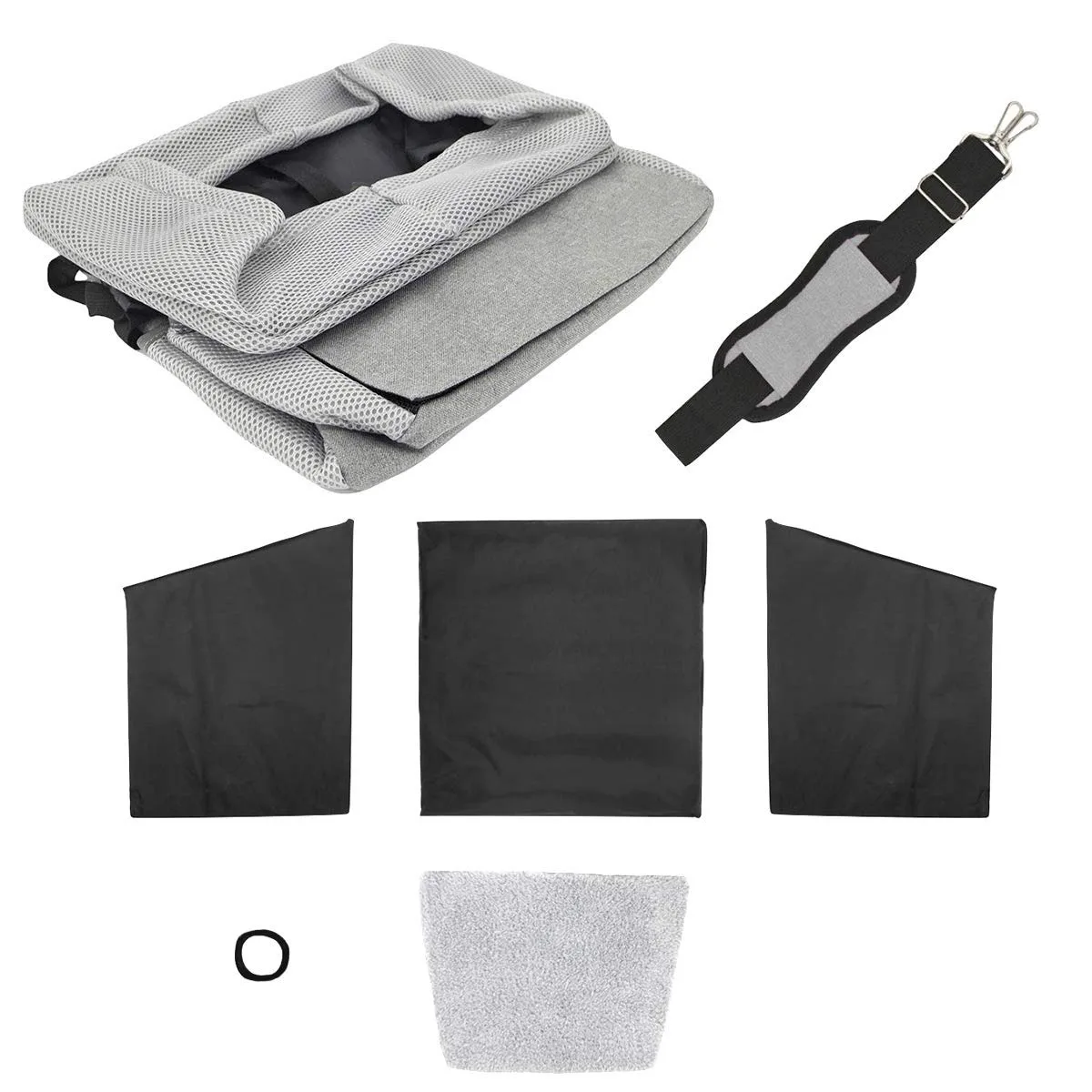
Antibacterial claims are among the most regulated statements a pet product can carry, and the rules differ by market. In the European Union, an article treated with a biocidal product and presented as having an antibacterial property falls within the Biocidal Products Regulation administered through ECHA, which means the active substance must be approved for the relevant product type and the treated article may need specific labelling. Importers should hold a declaration identifying the active substance and its approval status.
In the United States, claims that a product kills bacteria are regulated as pesticide claims at federal level and are additionally subject to advertising substantiation rules at state level. The practical implication for importers is to keep the claim narrow and matched to the test: antibacterial protection against odour-causing bacteria on the treated surface, supported by the named method, is defensible, while broad statements about health protection are not.
Substance restrictions apply whether or not a biocidal claim is made. Finishes, coatings and carrier chemistry must satisfy REACH restrictions in Europe, and treated surfaces in contact with animals should carry a current OEKO-TEX certificate. Some retailers now ask specifically whether nano-silver is used, and having that answer documented prevents a listing problem rather than solving one.
The commercial conclusion is simple and worth repeating to sales teams: say less and prove more. A specific, tested claim reduces legal exposure and, in practice, converts better than a vague one, because the customer can see what was actually measured.
Cost Structure, MOQ 500 and Price Banding
Odour control spans an unusually wide cost range, from zero to several dollars per unit, which makes it a good place to apply discipline. Non-absorbent padding and a removable liner are the highest-value items at 0.30-0.90 USD and 0.80-2.20 USD respectively, and they address the root cause. Antibacterial finishes run 0.25-1.10 USD per metre depending on chemistry, which on a typical bag is under 1.50 USD. Activated carbon layers are the expensive option at 0.60-1.80 USD, plus weight and freight.
Testing and registration support is a fixed cost rather than a unit cost, and it is the reason small programmes feel expensive. A single antibacterial test report costs a few hundred USD and covers a construction rather than a colourway, so it amortises across the whole order. Where a biocidal declaration is required, the documentation effort is per substance rather than per SKU, and consolidating on one approved chemistry across a product line reduces both cost and risk.
MOQ behaviour follows the standard pattern. MOQ 500 pieces per colourway is where fabric, finish and trim minimums stop dominating unit price, and price steps at 500, 1,000 and 3,000 pieces with the sharpest movement between 500 and 1,000. Terms are FOB Xiamen with T/T 30/70. Finished fabric may carry a mill minimum for the treatment bath, so confirm it at quotation stage.
One budgeting note that pays for itself: order spare liners with the first shipment. Liners share the fabric lot, cost 1.20-3.40 USD each, and let a professional customer rotate them, which is the single most effective odour control available in daily use.
Durability and Wash Life of Odour Control
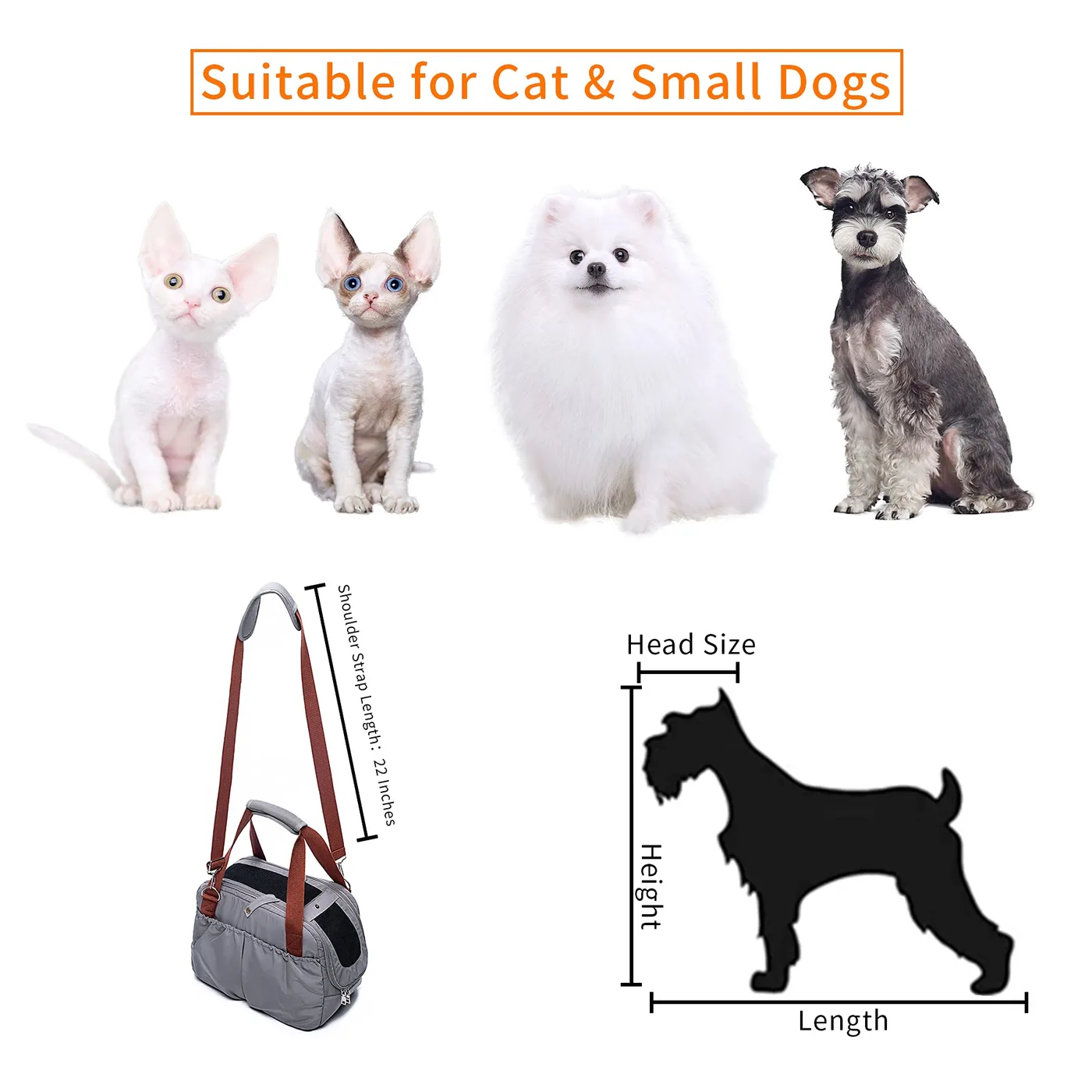
Antibacterial finishes are consumable, and the specification should say so. Most systems decline through two mechanisms: mechanical loss, where the finish abrades off high-contact surfaces, and chemical depletion, where the active agent is used up or washed away. Silver-based systems tend to last longest at 20-30 cycles, zinc and bio-based systems shorter, and the decline is fastest on the base panel where abrasion is highest.
The correct specification therefore states performance after twenty cycles rather than on new fabric, and it should be re-tested on a production sample rather than only on a laboratory swatch. A swatch that has never been assembled does not experience the abrasion of a real base panel, and the difference shows up in the retained reduction figure.
Adsorption materials have their own end of life. Activated carbon saturates within a few months of regular use and can be partially regenerated by sunlight and air, which is worth stating on the care card since customers otherwise assume the feature stopped working. Presenting carbon as a replaceable insert turns that limit into a reorder opportunity rather than a complaint.
Finally, protect the feature with instructions. Recommending a gentle wash without heavy fabric softener, air drying, and periodic airing in sunlight preserves both the finish and the padding far better than hot washes and tumble drying, and a care card that says so measurably extends the period during which the product performs as advertised.
Sampling, Bulk Scheduling and AQL 2.5 Inspection
Sampling an odour-control programme takes a little longer than a standard bag because the treated fabric and any test report have to be produced. After the finish chemistry, padding and liner are confirmed, allow 6-10 working days for a prototype, plus three to five days if antibacterial testing is commissioned on the sample rather than on the fabric swatch. Approve on the report and on the sensory result, not on the smell of a new sample straight out of the bag.
Bulk production runs 35-50 days after approval and deposit. The critical path item is the treated fabric, since the finish is applied at the mill after dyeing, and a late colour change resets that step. Confirm the fabric booking at deposit and avoid switching chemistry after approval, because a different substance changes the regulatory file as well as the product.
Inspection follows AQL 2.5 for major defects and AQL 4.0 for minor defects, with odour-specific checks written in. Relevant items are a substituted padding, a missing liner, an off-gassing smell detected on unpacking, and any documentation mismatch between the declared finish and the fabric lot. An off-gassing check on unpacking is worth adding to the inspection plan; it costs the inspector two minutes and catches the most frequently misdiagnosed problem in the category.
Documentation for release should include the inspection report, the antibacterial test report for the construction, the finish declaration with the active substance named, and the OEKO-TEX certificate for contact surfaces. Keep them indexed by purchase order, because the next retail buyer who asks will ask for exactly that set.
Channel Strategy: Where Odour Control Earns Its Cost
Odour control is not equally valuable in every channel, and matching the spend to the channel is the whole game. It earns its cost in boarding, transport and grooming environments where bags are reused between animals many times a day, in warm humid climates where drying is slow, in products sold with a washable claim, and in premium retail where a customer has paid for a feature and will look for evidence of it.
It earns less in dry-climate indoor use, in single-pet household products with a washable removable liner, and in price-led programmes where the saving from skipping the finish is worth more than the marginal benefit. In the last case, spend the money on the liner and the padding instead, and say honestly on the listing that the bag is designed to dry quickly and to be washed.
Copy strategy follows the same logic. A premium listing should lead with the tested number and the method, because the buyer comparing two products at that price point is looking for evidence. A price-led listing should lead with washability and drying, which are the features that actually solve the problem at that price. Both statements are true and both match what the factory verified.
The closing recommendation for procurement teams is to review odour returns once per season and classify them before changing the specification. If the complaints mention a chemical smell on opening, the fix is material off-gassing, not antibacterial chemistry. If they mention a smell after use, the fix is drying and padding. If they mention a smell after washing, the fix is the care instructions. Only one of those three is solved by upgrading the finish.
The last piece of channel advice concerns the listing itself. Odour claims attract both customer scepticism and platform scrutiny, so state the mechanism rather than the promise: a treated surface that reduces odour-causing bacteria, a liner that can be washed at 30 C, and a padding that does not hold water. Those three statements can each be traced to a document in the order file, and together they answer the customer's real question, which is not whether the bag is antibacterial but whether it will smell after a month of use.
Order and quality terms
- MOQ 500 pieces per colourway; samples in 6-10 working days
- Bulk production 35-50 days after approval; AQL 2.5 inspection standard
- T/T 30/70 terms, FOB Xiamen, full document set per shipment
People Also Ask
Do antibacterial pet bags actually work?
They reduce bacterial growth on treated surfaces, typically by 99 percent under a standard test. They do not remove odour from a bag that stays damp, because moisture is the enabling condition.
What causes pet bag odour?
Bacterial breakdown of saliva, urine and skin oils in a damp absorbent material, plus material off-gassing from low-grade foam and cleaning residue left in the lining.
Is silver ion safe in pet products?
Approved silver-based systems with an OEKO-TEX certified surface are widely used, but the active substance must be registered where a biocidal claim is made.
How is antibacterial fabric tested?
By comparing bacterial counts on treated and untreated specimens under ISO 20743 or an AATCC method, naming the organism and contact time.
Do odour-control finishes wash out?
Gradually. Expect 20-30 cycles from a silver system and fewer from bio-based ones, with performance declining fastest on high-abrasion panels.
Does activated charcoal remove pet odour?
It adsorbs airborne odour molecules for a limited period and then saturates. It is best supplied as a replaceable insert rather than a fixed layer.
Frequently Asked Questions
What reduction figure should we specify for an antibacterial finish?
Ask for 99 percent or greater reduction on new fabric under a named method, and 90 percent or greater after twenty wash cycles. A certificate without the organism and contact time is not usable.
Is an antibacterial finish enough to stop odour?
No. Bacteria need moisture, so drying performance and non-absorbent padding remove more complaints than chemistry does. Specify the finish as the second line of defence.
Which chemistry lasts longest through washing?
Silver ion systems typically hold 20-30 cycles, quaternary systems 15-25, and zinc or bio-based systems 5-20 depending on construction and detergent.
Are antibacterial claims regulated in the EU?
Yes. A treated article presented as antibacterial falls under the Biocidal Products Regulation, so the active substance must be approved and labelled accordingly.
Is activated carbon worth the extra cost?
Only for specific channels. It works on airborne odour molecules and off-gassing, not on bacterial growth, and it saturates within months unless it is a replaceable insert.
What is the MOQ for an odour-control programme?
MOQ 500 pieces per colourway, with price steps at 500, 1,000 and 3,000. Treated fabric may carry a mill minimum for the finish bath.
Can the new-bag chemical smell be prevented?
Yes, by screening foam and coatings for volatile organic compounds at material approval and by airing cartons before packing. It is a material choice, not a hygiene issue.
How much does odour control add per unit?
From nothing for a drying-led design to 1.50-4.00 USD with a premium finish and a carbon layer. Padding and liner changes deliver most of the benefit at the lowest cost.
Should we order spare liners?
Yes. Liners ordered with the bags share the fabric lot and cost 1.20-3.40 USD each, and rotating them is the most effective daily odour control available.
How long does the finish remain effective?
Plan for 20-30 wash cycles at best, with performance declining fastest at high-abrasion areas such as the base panel. State the after-wash figure in the specification.
How long do sampling and bulk take?
Sampling takes 6-10 working days plus three to five days if antibacterial testing is run on the sample. Bulk production runs 35-50 days after approval and deposit.
What documentation should ship with the order?
The inspection report, the antibacterial test report for the construction, the finish declaration naming the active substance, and the OEKO-TEX certificate for contact surfaces.
Talk to QUANZHOU JUNYUAN BAGS about a wholesale pet bag order: MOQ 500 pieces per colourway, samples in 6-10 working days, bulk production in 35-50 days under AQL 2.5 inspection.
Get a free quote Request a sample