Pet Duffle Bag: Travel Duffel Wholesale Guide
A wholesale pet duffle is a soft-structured travel bag built around capacity rather than rigid frame geometry, and it ships at roughly 20-35 percent lower freight cube than a framed pet bag of the same nominal size. Programs start at MOQ 500 pieces per colourway, sample in 6-10 working days, and run 35-50 days in bulk after approval.
Duffles are the freight-efficient end of the pet bag category, and that is the reason a sourcing team should care about them. The commercial floor is MOQ 500 pieces per colourway, because the fabric run, the webbing dye lot and the zipper length are all bought in tiers that only make sense at that volume. Sample development takes 6-10 working days per round, and a duffle usually closes in one to two rounds because there is no mechanism to iterate - the decisions are capacity, fabric and strap geometry. Bulk production is 35-50 days after sample approval and deposit clearance, and release is conditional on an AQL 2.5 inspection with a written report. Terms are T/T 30/70, FOB Xiamen, with colour matched to a signed Pantone reference and approved in a controlled light box before cutting. The commercial case rests on three numbers: unit cost, carton cube and units per master carton. A duffle wins on the second and third, which is why it often lands cheaper on a landed-cost basis even when the FOB price is close to a structured competitor. Specify capacity in litres and interior floor dimensions rather than in small or large, because capacity is what the customer compares and what the channel listing requires.
Pet bag market size is reported three different ways depending on whether carriers, travel bags and accessories are bundled, so Pet Bag Types & Styles planning should pick one definition and stay with it. Pet bag market report figures are useful for board decks and of little use for MOQ planning.
Defining the Pet Duffle: Capacity, Structure and Load Path
A pet duffle is defined by what it does not have: no rigid frame, no moulded shell, no wheel chassis. Structure comes from the fabric itself, from a base insert, and from the way the load is transferred into the carry system. For a wholesale program that matters because it changes which suppliers can make the item, how quickly it can be sampled, and how cheaply it travels. Practically any soft-goods line can build a duffle, whereas a framed or wheeled build needs specific equipment and specific hardware sourcing.
The load path is the engineering question that separates a good duffle from a sagging one. Pet weight sits on the base, so the base insert and the way it is captured by the shell carry the entire load. A floating insert that is simply dropped into a sleeve will migrate, and migration is what produces the classic duffle failure: the bag looks fine empty and deforms the moment a 7 kg animal is placed inside. Specify a captured or bonded base panel with stated thickness and stated deflection under load, and make deflection a line item on the pre-production test sheet.
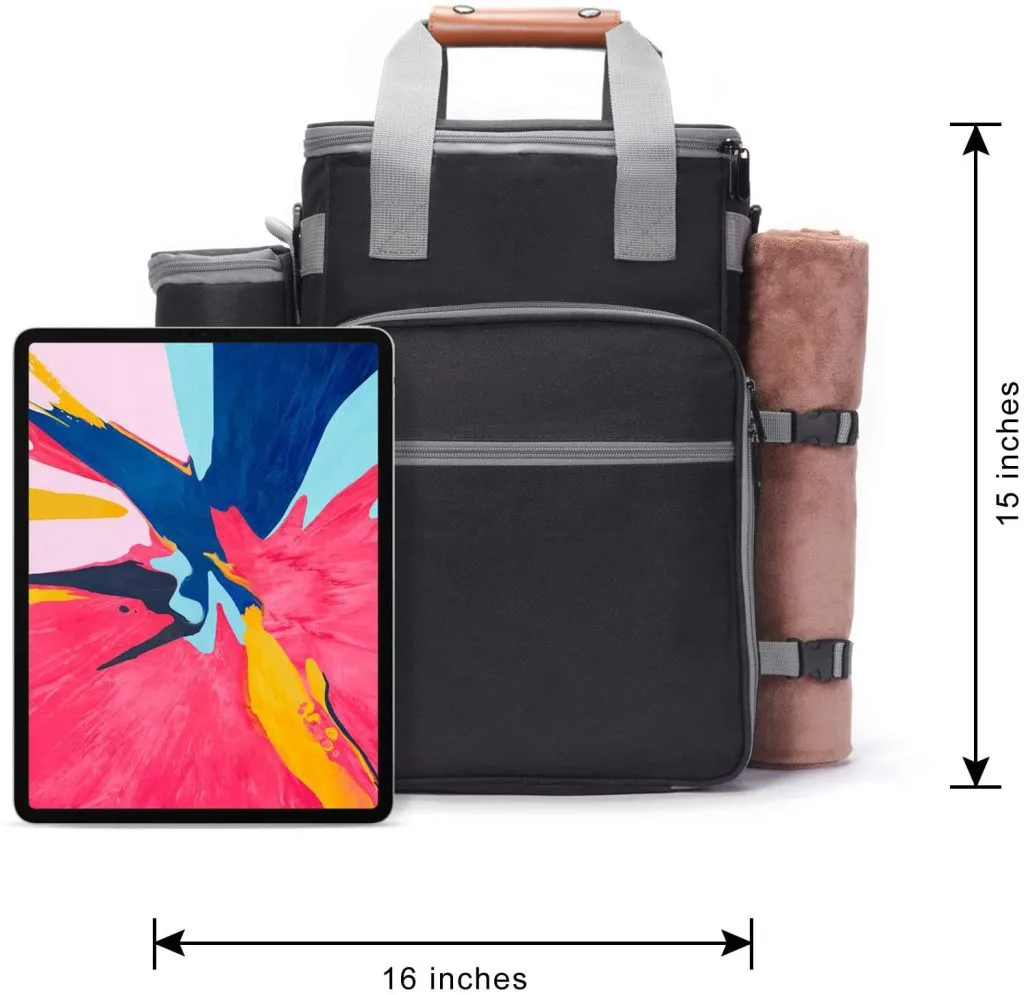
Capacity should be specified in litres with a stated tolerance, plus interior floor length and width in centimetres. Litres drive the customer's comparison, floor dimensions drive the animal's comfort, and the two do not move together - a tall narrow duffle and a low wide duffle can hold the same volume with very different usability. Ask for both on the specification sheet and refuse any quote that offers only "small, medium, large".
The trade-off you are buying is honest and worth stating on the brief: a duffle gives up shape retention and impact protection in exchange for lower cost, lower cube and easier packing. For customers travelling by car, train or to a grooming appointment, that is the right trade. For customers checking a bag at an airport, it is often the wrong one, which is why a duffle belongs in a car-and-rail assortment rather than in an air-travel one.
Capacity Bands and Pet Weight Mapping for Wholesale Assortments
Assortment planning for pet duffles works best on a three-step capacity ladder mapped to pet weight, not to breed names. A 22-28 litre duffle covers pets up to roughly 4 kg, a 32-40 litre duffle covers 4-8 kg, and a 45-55 litre duffle covers 8-14 kg. Those bands are wide enough to cover the great majority of the addressable market and narrow enough that a customer can self-select without a size chart conversation.
The mapping is not arbitrary. Interior floor area should give the animal roughly 1.4 to 1.8 times its resting footprint, and the height should clear the standing shoulder with a small margin. When a duffle is undersized, the complaint is not discomfort - it is that the animal refuses to enter, which reads as a product defect to the buyer. When it is oversized, the bag slumps and the animal slides, which reads as poor quality. Both are specification errors, and both are cheap to fix at the pattern stage and expensive to fix after 500 units are cut.
Weight of the empty bag is the other half of the ladder. A duffle built from 600D polyester with a 5 mm base insert weighs noticeably less than a framed equivalent, and that difference matters twice: once when the customer carries it, and once when you compute shipping cost per unit on an e-commerce channel. Publish the empty weight on the specification sheet and on the listing. Bags that under-promise on weight generate fewer returns than bags that omit the number entirely.
Colourway strategy interacts with capacity. Because MOQ is 500 pieces per colourway, running three sizes in a single colourway commits 1,500 units to one colour, whereas running one size in three colourways commits the same volume to one size. For a first season, most wholesale programs are better served by one size in two or three colourways, because colour is the variable you can actually learn from quickly.
| Band | Volume | Pet weight | Interior floor (cm) | MOQ per colourway | Units per master carton |
|---|---|---|---|---|---|
| Small | 22-28 L | up to 4 kg | 38 x 24 | 500 pcs | 20-24 |
| Medium | 32-40 L | 4-8 kg | 46 x 28 | 500 pcs | 16-20 |
| Large | 45-55 L | 8-14 kg | 55 x 32 | 500 pcs | 12-16 |

Freight Cube: Why Duffles Ship Cheaper Than Framed Pet Bags
Freight is where the pet duffle quietly wins. A soft bag can be compressed, folded or nested in a way a framed bag cannot, and the master carton is consequently smaller for the same nominal product size. In programs we cost, the duffle master carton runs 20-35 percent lower cube than a framed pet bag of equivalent capacity, which means more units per container and a lower freight allocation per unit on both ocean and parcel legs.
That advantage has to be engineered, not assumed. Carton dimensions should be a specified deliverable with a stated units-per-carton and a stated carton gross weight, and the factory should confirm that the carton still closes without forcing after the bag is packed with its liner and accessories. Forcing a carton closed is the origin of compressed-crease complaints, and it usually means the pack-out was designed after the carton was ordered.
Nesting is the second lever. If the empty duffle can be nested three or four deep inside the master carton, the cube drops again, but nesting puts fold lines into the shell fabric and into any printed panel. Decide deliberately: nest for a own-brand program where the unit cost matters most, or pack flat for a branded program where first-impression appearance at the shelf matters most. Both are defensible; doing neither deliberately is what produces a carton that is too big and a bag that arrives creased.
Finally, compute landed cost including carton cube before you fix a retail price. A duffle with a 0.40 USD higher FOB price can still land cheaper than a framed competitor once freight per unit is allocated, and that difference is invisible if your team compares FOB quotes only. Our production team routinely issues both numbers because the comparison changes which product a buyer should choose.
Material and Zoning Spec for a Travel Duffel Pet Bag
Fabric choice for a pet duffle is a balance between abrasion resistance, weight and printability. 600D polyester with PU backing remains the default for wholesale programs: it is cheap, stable, available in long colour runs, and takes screen print and heat transfer predictably. 420D nylon ripstop saves weight and resists abrasion better but costs more and holds colour less consistently across dye lots. 900D and 1000D constructions are available for premium positioning but add weight that most customers in this category will notice.
Zoning is where a duffle earns its price. A usable travel duffle needs at least four zones: the pet compartment with ventilation on two planes, an exterior quick-access pocket for documents and a leash, a lined or wipeable zone for soiled items, and a secure internal tether point. Each zone has a specification - mesh open area as a percentage, pocket closure type, liner coating, tether anchor construction - and each is a place where cost can be added or removed without changing the silhouette.
The opening geometry deserves specific attention because it drives both usability and cost. A full-length U-shaped zip gives the best access and the best packability but costs more in zipper length and in labour, and it is the most common point of failure under load. A three-quarter opening costs less and holds shape better but makes it harder to place a reluctant animal inside. Specify the zipper by gauge and by supplier part reference, and require a cycle test at pre-production, because a zipper that splits under load is a whole-unit return rather than a repair.
Referencing recognised test methods keeps the specification short. Rather than writing your own abrasion and colour-fastness descriptions, point the factory at AATCC textile test methods and ASTM standards for the relevant properties, and state the acceptance level you require. That produces a test report a retail compliance team will recognise instead of an internal note they will question.
Trim, Webbing and Hardware Notes
Webbing and hardware should be specified by width, tensile rating and finish, not by appearance. A 25 mm webbing with a stated break strength and a colour-fastness rating is a specification; "matching webbing" is not. Ask for the hardware supplier reference on the approval sheet and require written notice before any substitution, because trim substitution is the most common cause of a bulk batch differing from an approved sample.
Cost Breakdown and Quoting Logic for Duffle Programs
A duffle quote that arrives as a single number is unusable for cost engineering. Ask for the BOM broken into fabric, lining, foam or insert, webbing, hardware, zipper, labour, packing and overhead, and ask which lines are volume-sensitive. In a typical pet duffle, fabric and trim together carry 45-55 percent of the cost, labour carries 20-28 percent, and packing and overhead carry the remainder. Volume moves fabric and trim far more than it moves labour.
The quoting logic buyers should apply is incremental, not comparative. The question is not whether the duffle is cheaper than another style; it is what the next 1,000 units cost and what the next colourway costs. Because MOQ is 500 pieces per colourway, a second colourway is effectively a new 500-unit run with its own dye lot and its own trim minimums, and it will price close to the first rather than at a marginal discount. Plan colourway count knowing that.
Three variables move a duffle quote more than anything else: fabric denier and coating, zipper specification and length, and the construction of the base insert. A buyer who wants a lower price and is willing to accept a lighter base insert and a shorter zipper will get a materially better number than a buyer who negotiates the finished price while holding every specification fixed. Decide which specifications are genuinely non-negotiable - usually weight limit and ventilation - and trade the rest.
Terms and logistics belong in the same conversation. Standard terms are T/T 30/70, FOB Xiamen. Any move to a different Incoterm, any request for split shipments, and any drop-ship or direct-to-fulfilment requirement changes the cost model, and the change is larger than most buyers expect. Reference the ICC Incoterms rules when you agree responsibility for freight and risk, so both sides are quoting the same division of cost.
Sampling, Approval and Bulk Scheduling for Duffle Builds
Duffle development is fast relative to the rest of the category because there is no mechanism to iterate. One round answers silhouette, capacity and strap geometry; a second round, if needed, answers finishing, colour consistency and print. Each round runs 6-10 working days plus freight and evaluation time, so a realistic development window is three to five weeks rather than the two weeks buyers often assume.
The sample approval form should carry the numbers, not adjectives. Record volume in litres, interior floor dimensions, empty weight, stated pet weight limit, fabric reference and coating, zipper gauge and supplier, webbing width and rating, mesh open area percentage, and carton dimensions with units per carton. If a dispute arises later, this sheet is the only document both sides signed, and adjectives do not resolve disputes.
Bulk scheduling starts when the deposit clears and the sample is approved, and runs 35-50 days. Fabric and trim procurement occupy the first portion of that window, so a late colour change is far more damaging in week three than in week one. Seasonal programs should work backwards: required in-warehouse date, minus freight, minus 35-50 days, minus sampling, minus a buffer for a re-test. Programs that skip the buffer are the ones that air-freight.
Inspection is the final gate. Every shipment is released only after an AQL 2.5 inspection with a written report, and for duffles the plan should add a base-insert placement check and a zipper run check, because those two are the defects that appear in bulk and not in samples. Ask for photographs of the packed carton as part of the report; cube disputes are easier to settle with a picture.
Compliance, Labelling and Retail Pack-Out Requirements
Compliance for a pet duffle follows the general consumer product framework rather than a pet-specific one, which surprises buyers who expect a category standard. For the United States, the reference point is the U.S. Consumer Product Safety Commission, and children's-product obligations attach if the item is marketed toward children or styled as a children's article. For Europe, restricted substances run through REACH and the reference is the European Chemicals Agency; a current test report matched to your fabric and trim references is what a retail compliance team will ask for.
Labelling is where programs lose weeks. Country of origin, fibre content, care instructions and any required warnings must appear in the format the destination channel requires, and the artwork has to be approved before bulk cutting - not after. Because a duffle has multiple zones, decide on the label position early: a sewn label inside the main compartment is durable but hidden, and a printed panel on the exterior is visible but has to survive abrasion testing.
Pack-out differs by channel and should be specified separately from the product. Pet specialty retail wants a master carton with a stated count, a stated cube and shelf-ready presentation, often with a hangtag carrying the pet weight range in large type. Marketplace fulfilment wants individual polybag, a scannable barcode and a carton built for a parcel network. The same duffle can satisfy both, but only if the pack-out specification is written before the cartons are ordered.
Documentation closes the file. Keep the fabric test report, the trim test report, the pre-production test sheet, the sample approval form and the AQL 2.5 inspection report together by program and by season. When a marketplace challenges a listing, that folder is the difference between answering in an hour and losing the listing.
Seasonal Planning and Replenishment for Duffle Programs
Duffle demand is steadier than most pet bag formats, because the use case - a short trip by car or rail - occurs year round. That steadiness is an advantage for planning and a trap for buying: programs built on the assumption of a strong seasonal peak end up carrying inventory, while programs built around steady replenishment perform better with less working capital.
A sensible first-season structure is a single order sized to roughly eight to ten weeks of forecast sell-through, plus a held buffer of 10-15 percent for a mid-season reorder. Because bulk production is 35-50 days plus freight, a reorder placed after stockout arrives well after the demand has passed, so the buffer exists to be released rather than to be sold through. Buyers should decide the reorder trigger before the season starts - a stated weeks-of-cover number, not a reaction to a low shelf.
Colourway replenishment differs from size replenishment. Sizes sell in predictable proportions once the assortment is established, and the small and medium bands usually carry 70-80 percent of volume. Colourways shift with taste and with photography, and a colourway that underperforms online may simply have been poorly presented. Before discontinuing a colourway, check whether its listing images and its position in the assortment were comparable to the better performers.
The second season is where the format becomes profitable. Fabric references, trim packages, carton specifications and the approved sample are all in place, so development cost drops to near zero and the conversation moves entirely to volume tiers. Programs that treat the first season as a paid learning exercise - narrow assortment, honest forecasting, one clean reorder - typically reach a materially better unit price in year two than programs that try to optimise price and assortment simultaneously in year one.
Where the Pet Duffle Sells: Channel Fit and Price Bands
The pet duffle performs best in channels where the trip is short, the load is carried by hand or shoulder, and the buyer is comparing on capacity and price. Pet specialty chains, grooming and veterinary retail, car-accessory catalogues and general e-commerce marketplaces all fit that description. Airline-adjacent retail fits less well, because the use case there rewards rigid structure and a defined footprint.
Price banding follows capacity and fabric grade. Entry duffles in 600D polyester with a simple base insert sit at the opening price point and carry volume; mid-band duffles add a wipeable liner, better hardware and a documented weight limit; premium duffles add higher-denier fabric, branded hardware and a coordinated accessory set. The ladder works because the customer can see the difference on the shelf - liner quality and hardware finish are legible in eight seconds, whereas a fabric denier claim is not.
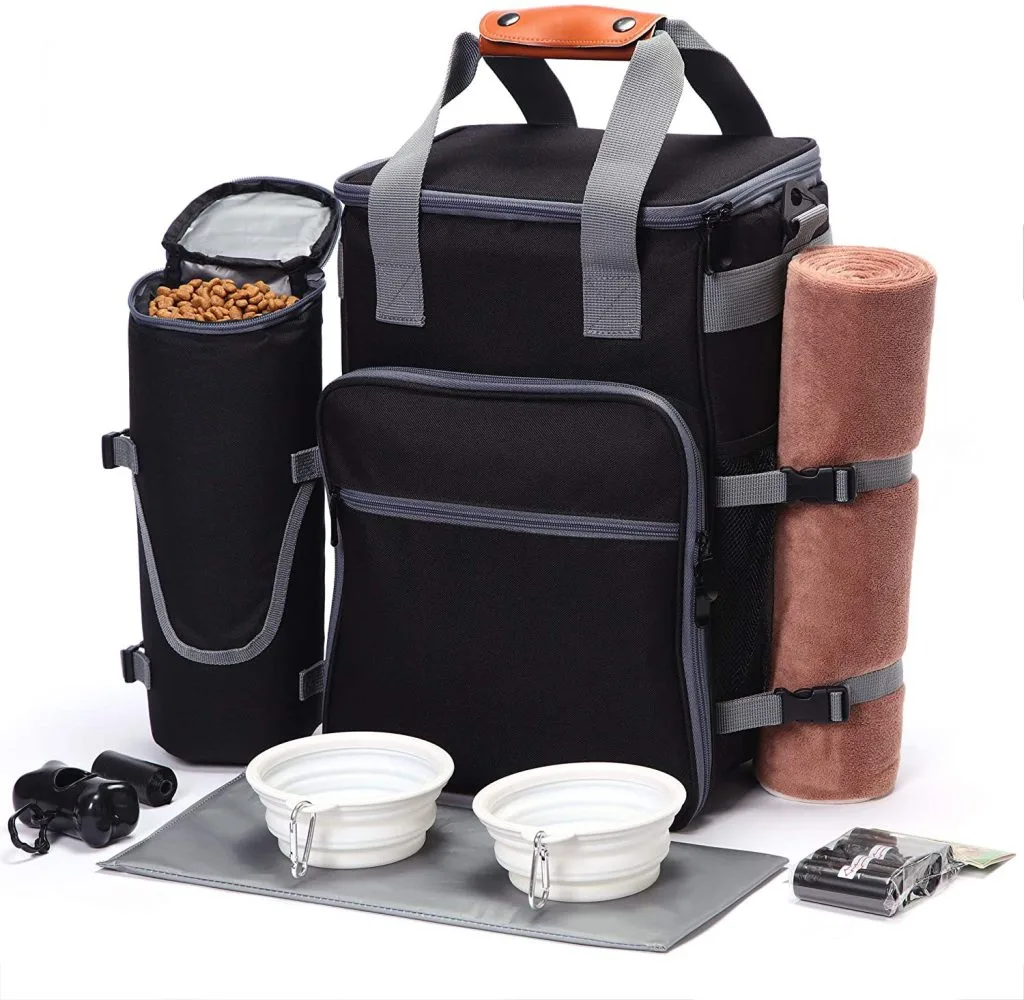
Bundling is the strongest merchandising move in this category. A duffle plus a removable liner plus a fold-flat travel bowl packs into one carton, raises the average order value, and justifies a price band the standalone bag could not reach. The incremental cost is modest because the added items share the existing carton cube, which is the advantage the duffle format was chosen for in the first place.
Where a program already carries a weekender overnight bag, position the duffle as the shorter-trip, higher-capacity alternative rather than as a direct competitor, and let the two share a colourway so the fixture reads as one family. Buyers comparing soft formats should also review the pet travel bag manufacturing guide before fixing a specification, because fabric and trim decisions carry across both.
Production capability
- SGS-verified production space of 4,950 m², 149 machines, 7 assembly lines
- Pet bag output since 2014 from a 137-person team
- 200,000 units shipped monthly under BSCI and ISO 9001 systems
People Also Ask
Is a pet duffle suitable for air travel?
It suits car, rail and short door-to-door trips better than check-in air travel. Airline-adjacent use rewards rigid structure and a defined footprint, which a soft duffle does not provide.
How do I stop a duffle from sagging under pet weight?
Specify a captured or bonded base insert with stated thickness and stated deflection under load, and make deflection a line item on the pre-production test sheet.
Should I publish the empty weight of the bag?
Yes. Bags that state the empty weight generate fewer returns than bags that omit it, and the number also drives marketplace shipping cost per unit.
What opening geometry works best on a pet duffle?
A full-length U-zip gives the best access and packability but costs more and is the most common failure point under load; a three-quarter opening costs less and holds shape better.
How many sizes should a first-season duffle program carry?
One size in two or three colourways is usually smarter than three sizes in one colour, because colour is the variable you can learn from fastest at 500 units per colourway.
What makes a duffle bundle profitable?
Adding a removable liner and a fold-flat bowl into the same carton raises average order value while sharing the cube you already paid for.
Frequently Asked Questions
What is the MOQ for a wholesale pet duffle program?
500 pieces per colourway. Below that volume the fabric run, webbing dye lot and zipper length cannot be amortised, so the unit price rises rather than falls.
How long does sampling take for a pet duffle?
6-10 working days per round, plus freight and evaluation. Duffles usually close in one to two rounds because there is no conversion mechanism to iterate.
How much freight cube does a duffle save versus a framed pet bag?
Typically 20-35 percent lower cube for the same nominal capacity, which raises units per container and lowers freight allocation per unit on both ocean and parcel legs.
What capacity should I specify for a medium pet duffle?
32-40 litres with an interior floor around 46 x 28 cm, covering pets in the 4-8 kg band. Always specify litres and floor dimensions, never just medium.
Can the duffle be nested in the master carton?
Yes, three or four deep, which reduces cube again. Nesting puts fold lines into the shell and any printed panel, so choose nesting for cost-led programs and flat packing for appearance-led ones.
What is the bulk production lead time?
35-50 days after sample approval and deposit clearance, with freight additional. Seasonal programs should work backwards and keep a buffer for re-test.
Which inspection standard applies before shipment?
AQL 2.5 with a written report. For duffles add a base-insert placement check and a zipper run check, because those defects appear in bulk and not in samples.
What fabrics are recommended for a pet duffle?
600D polyester with PU backing is the wholesale default for cost, stability and printability. 420D nylon ripstop saves weight and resists abrasion but costs more.
Do I need third-party testing for every sample round?
No. Run mechanism and dimensional checks on the bench and reserve third-party laboratory testing for the pre-production sample and for regulated-market claims.
What payment and shipping terms are standard?
T/T 30/70 - 30 percent deposit, 70 percent before shipment - on FOB Xiamen. Other Incoterms can be quoted but change the landed cost model.
Can I add a second colourway at 500 units?
Yes, but note that a second colourway behaves like a new 500-unit run with its own dye lot and trim minimums, so it prices close to the first rather than at a discount.
What documents should I keep per program?
Fabric and trim test reports, the pre-production test sheet, the signed sample approval form and the AQL 2.5 inspection report, filed together by program and season.
Talk to QUANZHOU JUNYUAN BAGS about a wholesale pet bag order: MOQ 500 pieces per colourway, samples in 6-10 working days, bulk production in 35-50 days under AQL 2.5 inspection.
Get a free quote Request a sample