Pet Adoption Bag: Bulk Welcome Kit Sourcing Guide
A pet adoption bag is a presentation-grade welcome kit handed over at the adoption counter, typically 10-18 litres with a retail-quality print at MOQ 500 pieces per colour and FOB Xiamen USD 4.60-9.40 per unit before contents. The decision that shapes the whole programme is whether the bag is specified as a keepsake or as a working bag, because that choice sets fabric weight, print method and packing. Samples take 6-10 working days and bulk production 35-50 days.
Executive summary for adoption programme buyers. Adoption kits occupy an unusual position: they are given away, but they are judged like retail products. The adopting family did not pay for the bag, yet they will form a first impression of the organisation from it, and the shelter or retail partner knows it. That is why the specification has to balance unit cost against presentation more carefully than any other giveaway category in the pet trade.
Commercial baseline: MOQ 500 units per colour, samples in 6-10 working days, bulk production 35-50 days after sample approval and deposit, inspection to AQL 2.5 with a print adhesion gate, payment T/T 30/70 against FOB Xiamen. Multi-party artwork is the scheduling risk: a kit carrying both a shelter mark and a sponsor mark needs both approvals locked before production is booked. Our production team runs these programmes through an SGS-verified production base with BSCI and ISO 9001 coverage and supports kitting at the packing stage, so a distributor receives a finished unit rather than managing a second assembly step. Buyers who consolidate to one bag size and one print position consistently reach a lower landed cost than buyers who spec three sizes with full-colour wrap prints.
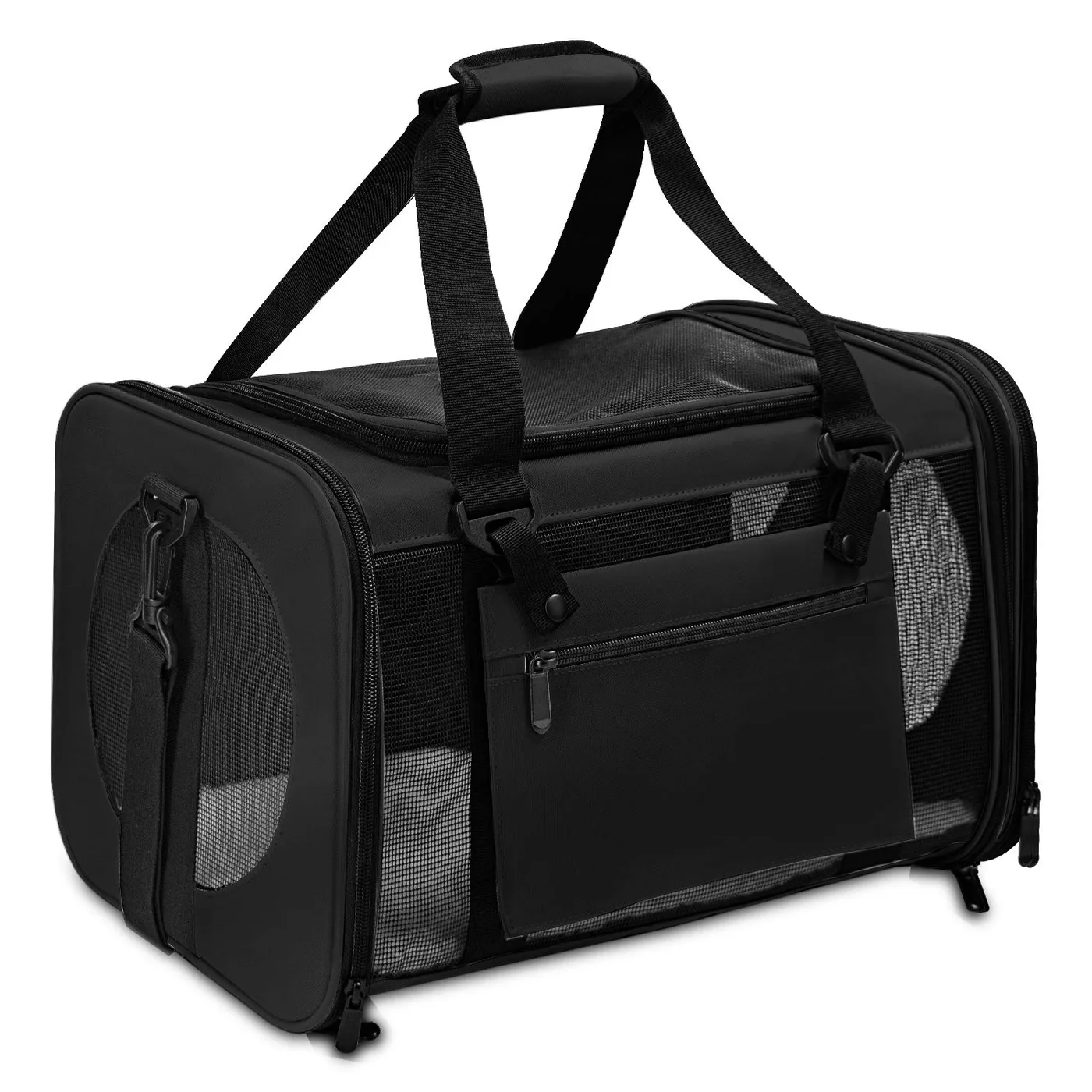
Wholesale hiking pet carrier programmes and wholesale airline approved pet carrier programmes pull in opposite directions - one needs ventilation area, the other needs a rigid footprint - and Pet Bag Types & Styles has to pick which constraint wins. Wholesale pet carrier for small dogs and wholesale pet carrier for large dogs can share a brand but rarely share a pattern.
What an adoption kit is actually for
An adoption welcome kit does three jobs at once, and buyers get into trouble when they optimise for only one. It carries the paperwork and starter supplies out of the building, it marks the adoption as an event worth remembering, and it keeps the organisation's name in the household for months afterwards. A bag that succeeds at the first job and fails at the third is a wasted marketing spend, and a bag that succeeds at the third and fails at the first is an operational nuisance for the adoption counsellor.
The carrying job sets the minimum specification. An adoption folder, a starter food sample, a toy and a care sheet add up to a real load, and a bag with self-fabric handles will not survive being carried from a counter to a car park. Boxed webbing handles and a light lining are the two minimum structural requirements, and they are cheap relative to the impression they protect.
The ceremony job sets the presentation requirement. The bag is handed over at a moment people photograph, and it frequently appears on social media within an hour. Print quality, colour accuracy of the organisation's mark and the absence of obvious cost-cutting all matter here. This is the argument against the very cheapest specification, and it is a legitimate one.
The retention job sets the durability requirement. A bag kept and used for two years keeps the organisation visible to the household and to everyone who sees it. That argues for a specification that survives ordinary use rather than one that merely survives the handover, and it is why fabric weight generally beats print complexity in this category.
- Carry the load: boxed webbing handles, light lining, reinforced opening.
- Mark the moment: accurate colour reproduction of the organisation's mark.
- Stay in the home: durability sufficient for two years of ordinary use.
- Protect the counsellor: a shape that packs quickly at a busy counter.
- Support the paperwork: a flat pocket or folder that keeps documents uncreased.
The last two items are operational rather than marketing considerations and are usually specified late, if at all. A bag that takes ninety seconds to pack at a counter during a Saturday rush will be abandoned by staff within a month, and a bag without a document pocket means the adoption paperwork arrives creased in the bottom of the bag. Both are cheap problems to solve at the specification stage and impossible to solve after delivery.
One further distinction helps buyers set the brief. A keepsake specification optimises print and structure and accepts a shorter service life, while a working-bag specification optimises fabric and hardware and accepts a plainer appearance. Programmes rarely have the budget for both. Deciding at the start which one the kit is, and telling the supplier which it is, prevents the compromise specification that costs the same as a good one and performs like a cheap one.
Adoption kit matrix by animal type and channel
Most adoption programmes need two sizes rather than four. The table below is built on a small-animal size covering cats, small dogs and pocket pets, and a general size covering adult dogs, with a third column for programmes running a retail-partner presentation.
| Parameter | Small animal kit | General dog kit | Retail partner kit |
|---|---|---|---|
| Volume | 8-10 L | 14-18 L | 14-18 L structured |
| Shell | 420D polyester, PU | 600D polyester, PU | 600D Oxford, PU |
| Handles | 25 mm webbing, boxed | 38 mm webbing, boxed | 38 mm padded |
| Closure | Open with tab | Number 5 zip | Number 5 zip plus pocket |
| Document pocket | Flat internal | A4 flat internal | A4 external, branded |
| One position, two colour | One position, two colour | Two positions, full colour | |
| Packing | Bulk carton | Bulk carton | Individual polybag plus header |
| MOQ per colour | 500 | 500 | 500 |
| FOB Xiamen band | USD 4.60-5.90 | USD 6.10-7.80 | USD 7.90-9.40 |
| Sample lead time | 6-8 working days | 6-10 working days | 8-10 working days |
| Bulk lead time | 35-42 days | 38-48 days | 40-50 days |
| Inspection | AQL 2.5 | AQL 2.5 | AQL 2.5 plus print gate |
The document pocket row deserves particular attention because it is the feature most often omitted and most often missed. Adoption paperwork is A4 or letter size, it is important to the family, and it arrives creased in the majority of kits that lack a flat pocket. A flat internal pocket costs very little and is the difference between a kit that looks considered and one that looks improvised.
The retail partner row reflects a different distribution reality. Where kits are handed out inside a pet retail store alongside purchased supplies, the bag competes visually with retail products on the same counter, and a bulk-packed unstructured bag reads as an afterthought. The additional cost of a structured body and presentation packing is justified in that channel and not in a shelter counter channel.
Buyers should resist the temptation to buy only the small size on the grounds that it is cheaper. A cat-sized kit handed to a family adopting an adult dog is an immediate failure, and the resulting impression is worse than no kit at all. The general size is the safer default for mixed programmes; the small size should be added only where the case mix genuinely skews small.
Where a programme genuinely needs a third size, the more efficient route is usually a modular approach: one bag body with a removable divider that converts it between small-animal and general use. The divider costs far less than a second fabric minimum and keeps the whole order inside a single colourway, which is the constraint that actually determines the price.
Multi-party artwork and co-branding management
Adoption kits frequently carry more than one mark: the shelter, a corporate sponsor, and sometimes a retail partner or a food brand. Each mark brings its own approval process, its own brand guidelines and its own opinion about placement and size. The resulting delay is the single most common reason an adoption kit misses its distribution window, and the mitigation is procedural rather than technical.
The procedure is straightforward. Collect all vector artwork before the sample is made, so the sample shows the real print rather than a placeholder. Establish a hierarchy of marks, because two marks of equal size read as indecision and are usually rejected by at least one party. Name a single approver per organisation, and require that the approval arrive as a written confirmation against a printed proof rather than against a digital mock-up.
Print method interacts with artwork more than buyers expect. Screen printing gives durable, accurate colour at low cost for one or two colours and is the right choice for most shelter programmes. Heat transfer handles full-colour artwork and photographs but costs more per unit and carries a higher minimum. Digital printing removes the minimum constraint but is rarely economical above a few hundred units. Buyers should select the print method at the same time as the artwork, not after.
- Collect all vector artwork before the sample stage.
- Define a hierarchy: one primary mark, others subordinate.
- One named approver per organisation, with a stated approval deadline.
- Approve against a printed proof on the actual fabric colour.
- Lock artwork before production capacity is booked.
The last item is the one that saves schedules. Production capacity booked on an assumed approval date slips the moment an approver goes on leave, and the slip is usually discovered after the line has been allocated elsewhere. Buyers who make artwork lock a contractual precondition of booking convert a variable risk into a fixed date.
Cost structure at volume: bag, contents and packaging
Adoption kit budgets are usually set per adoption, and the bag is only one line in that number. A typical programme spends between forty and sixty percent of its kit budget on contents rather than on the bag, which means the greatest savings are usually available outside the bag specification. Buyers who negotiate the bag hard and buy contents at retail are optimising the smaller number.
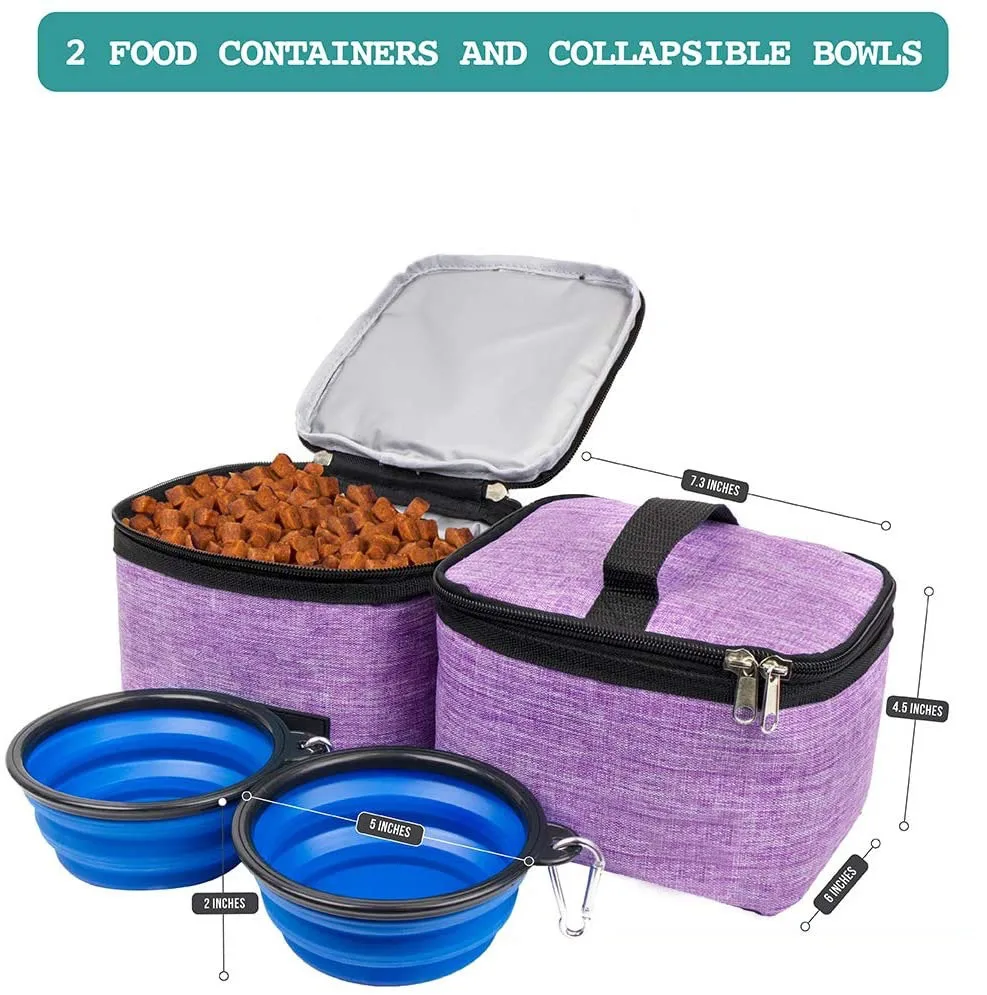
Contents that are commonly kitted include a starter food sample, a care sheet, a toy, a waste-bag roll and a voucher. Food samples are frequently donated by a manufacturer, in which case their arrival date becomes a constraint on the packing schedule. Vouchers and printed material have expiry and version issues: a care sheet that is revised after the kits are packed means either repacking or distributing outdated information.
Packaging is the third cost block and the one most often underestimated. Bulk cartons are the cheapest option and suit shelter counter distribution. Individual polybagging adds a small per-unit cost and is needed for retail partner distribution. A printed header card or a belly band adds real cost and is justified only where the kit is displayed rather than handed over. Buyers should match packaging to the channel rather than defaulting to the most attractive option.
Freight is worth modelling explicitly because kits cube out on volume. A programme distributing five thousand kits a year will fill containers on volume long before weight, and consolidating the annual requirement into one or two shipments rather than four produces a materially lower landed cost per kit. That saving frequently exceeds the entire difference between two bag specification tiers.
Finally, buyers should ask for a price ladder rather than a single price. Unit cost moves at predictable steps around 500, 1,000, 3,000 and 5,000 pieces because of fabric purchasing, print setup and carton optimisation, and knowing the ladder lets a programme choose the quantity that makes sense rather than the quantity it first thought of.
There is also a versioning cost that programmes rarely budget. Care sheets, vouchers and contact cards change, and a kit packed six months earlier may contain outdated information. Printing documents late and inserting them at distribution, rather than packing them with the bag, keeps the physical kit shelf-stable and lets the programme update its message without repacking. The trade-off is a small amount of extra handling at the counter, which most shelters accept readily.
Programmes should also decide who owns the leftover stock. A shelter that changes its logo, or a sponsor that withdraws, leaves a pallet of co-branded bags nobody can distribute. Ordering to a twelve-month forecast rather than to a two-year one, and accepting a slightly higher unit price, is usually the cheaper position once the write-off risk is counted.
Kitting, content sourcing and assembly
Kitting is where distributors build margin in the adoption channel, and it is also where schedules most often break. Assembly requires every component to be at the packing location at the same time, and components sourced from four suppliers rarely arrive together. The mitigation is to consolidate: source as much as possible through a single point, and accept a slightly higher component price in exchange for a reliable assembly date.
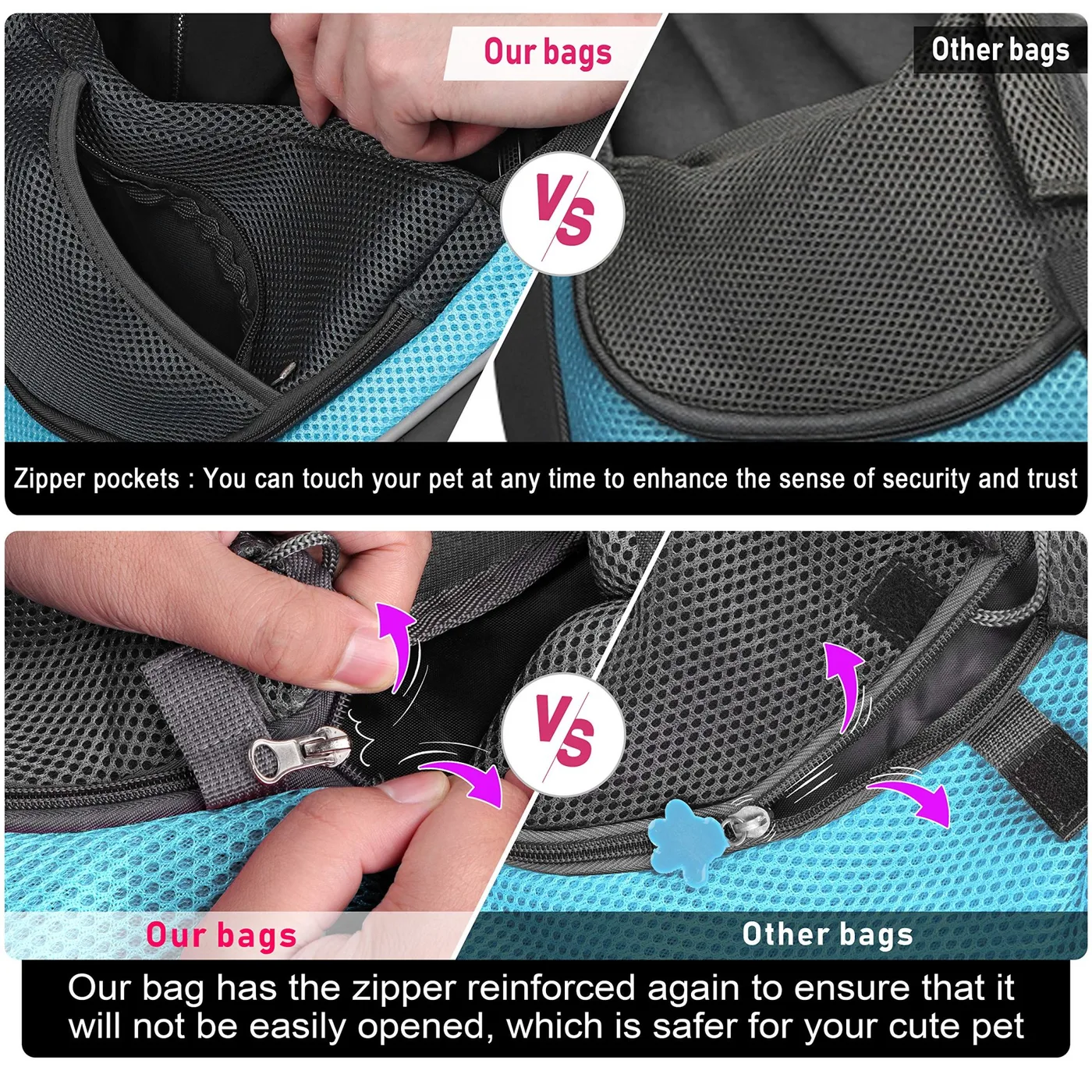
Our production team supports kitting at the packing stage when components are supplied or approved in advance, which removes a second warehouse step for the buyer. The practical requirement is a packing specification: what goes in, in what order, in what orientation, and how the finished unit is packed. A written packing specification prevents the most common kitting defect, which is not a missing item but an inconsistent presentation.
Weight and cube change when contents are added, and freight should be requoted after kitting rather than before. A five-hundred-gram bag becomes a kilo-plus kit, and while weight rarely fills a container, it does change parcel costs for programmes distributing by post. Buyers distributing kits to satellite locations should model the parcel cost before committing to a content list.
Quality control on a kitted unit differs from QC on a bag. In addition to the bag inspection, the kit needs a component count check, a check that printed material is the current version, and a check that any dated item has adequate shelf life. A kit missing one component generates a complaint the shelter has to absorb, and the cost of that complaint falls on the relationship rather than on the invoice.
Compliance and product safety for household handout
An adoption kit is a consumer product in every respect that matters, even though no money changes hands. It goes into a household, it is handled by children, and in the United States it is subject to the same expectations as a purchased item. Programmes should hold CPSIA lead and phthalate test reports on accessible substrates and a Prop 65 assessment where they operate in California. The applicable framework and limits are published by the Consumer Product Safety Commission.
Where a kit includes a toy or any item that could be classified as a children's article, the compliance burden rises and the toy supplier's documentation becomes part of the programme's file. Buyers should not assume that a donated component carries adequate documentation; donated items are frequently the least documented items in a kit.
European programmes need REACH SVHC declarations on the bag's shell, lining and printed areas, and an OEKO-TEX certificate is the efficient way to close the chemical question in one document. Corporate sponsors increasingly ask for it because their own procurement standards apply to co-branded items.
The documentation set should travel with the shipment: compliance reports for the bag, component documentation where applicable, a packing list reconciling to the distribution count, and a retained production sample. Programmes that hold this file answer a sponsor's questions in an afternoon; programmes that do not spend weeks reconstructing them, usually at the worst possible moment.
Sampling, approval gates and lead-time management
Samples take 6-10 working days and should be evaluated as a finished kit rather than as a bag. Pack the sample with the real contents, carry it, and check that the document pocket works and that the print matches the approved proof under the lighting of the distribution counter rather than of an office. A sample approved on a desk under good light frequently reveals print issues when it is seen at the counter.
Bulk production is 35-50 days after sample approval and deposit, and the approval step is where programmes lose the most time. Multi-party artwork means multi-party approval, and a single approver's absence can move the start date by weeks. Setting artwork lock as a precondition for booking, as noted above, is the most effective control available.
Inspection to AQL 2.5 should be supplemented with a print adhesion and colour check, because the print is what the recipient and the sponsor see. Pull units from the run, compare against the approved proof, and run a simple tape test on the print area. A lifted mark on a co-branded kit is the most visible possible defect and the one most likely to reach the sponsor.
Finally, hold a retained reference sample. Re-ordering an adoption kit annually without a retained sample leads to slow specification drift, particularly on print colour, and the drift is noticed by the organisation whose mark is on the bag. A retained unit resolves every question about whether the new order matches the approved one.
Channel variants: shelter counter, retail partner and sponsor
Three distribution channels dominate adoption kits, and each rewards a different specification. Understanding which channel the programme actually serves prevents both overspending and underspending.
The shelter counter channel is the default. Kits are packed by staff or volunteers and handed over with the animal. Presentation matters but packing speed matters more, and bulk-packed unstructured bags with a good print perform well. The specification priority is the document pocket and the handle strength, because both are exercised at the counter.
The retail partner channel places the kit alongside purchased goods. Here the bag must hold its own visually, which argues for a structured body, a better print and presentation packing. Programmes running this channel should also check whether the retail partner has its own packaging and compliance requirements, because chain retailers frequently apply supplier standards to anything distributed on their premises.
The corporate sponsor channel is driven by reporting. The bag is one line in a sponsorship deliverable, and what matters most is documentation: unit counts, unit cost, compliance reports and photographs. Buyers serving this channel should build the documentation set into the order from the start, because assembling it retrospectively is expensive and slow.
For wholesalers and distributors, the adoption channel is a relationship business with an annual rhythm. Programmes that run cleanly re-order, and programmes that missed a distribution window remember it. Delivering on the date with complete paperwork is worth more in this channel than a marginally better price.
A practical way to protect that rhythm is to hold the specification steady and vary only the artwork. A programme that keeps the same bag body, fabric and colour for three years and refreshes only the printed mark avoids re-testing, avoids colour matching and can re-order at short notice when an unexpected sponsorship lands. That continuity is the most valuable thing a supplier can offer in this channel, and it costs the buyer nothing beyond the discipline of not redesigning.
Production capability
- SGS-verified production space of 4,950 m², 149 machines, 7 assembly lines
- Pet bag output since 2014 from a 137-person team
- 200,000 units shipped monthly under BSCI and ISO 9001 systems
People Also Ask
What goes in an adoption welcome kit?
Typically a starter food sample, a care sheet, a toy, a waste-bag roll and a voucher, packed into a bag with a flat document pocket for the adoption paperwork.
How much should an adoption kit cost per unit?
Most programmes budget USD 4.60-9.40 FOB for the bag and spend forty to sixty percent of the total kit budget on contents, so the largest savings are usually outside the bag spec.
Are adoption bags different from donation bags?
Yes. Adoption kits are presentation items tied to a chosen transaction; donation bags are need-based handouts where reach and unit cost dominate the specification.
Who approves co-branded artwork?
Each organisation names a single approver and approves against a printed proof on the actual fabric. Artwork lock should be a precondition for booking production capacity.
What handle specification suits an adoption kit?
Boxed webbing handles at 25 mm for small kits and 38 mm for general kits. Self-fabric handles are the most common structural failure in this category.
Can adoption kits be distributed by post?
They can, but requote freight after kitting. Contents roughly double the weight and change the parcel cost materially for postal distribution.
Frequently Asked Questions
What is the MOQ for adoption welcome kits?
MOQ is 500 pieces per colour on the bag body. Print setups carry their own minimums, which is why a single print position and one colourway produce the best pricing for most programmes.
Should we buy one bag size or two?
Two at most: a small-animal size and a general dog size. A cat-sized kit handed to a family adopting an adult dog creates a worse impression than no kit, so the general size is the safer default for mixed programmes.
How long does sampling and bulk production take?
Samples take 6-10 working days. Bulk production is 35-50 days after sample approval and deposit, with artwork lock as the most common cause of delay on co-branded kits.
Which print method should we choose?
Screen printing for one or two colours is the most durable and economical choice for most programmes. Heat transfer suits full-colour artwork at a higher unit cost and minimum.
Do we need a document pocket?
Yes. Adoption paperwork is A4 or letter size and arrives creased without a flat pocket. It is one of the cheapest features in the specification and one of the most noticed.
Can you kit the contents with the bag?
Yes, when components are supplied or approved in advance and a packing specification is agreed. Consolidated kitting removes a second warehouse assembly step for the buyer.
What compliance documents should a programme hold?
CPSIA lead and phthalate reports for US programmes, a Prop 65 assessment for California, REACH SVHC declarations for Europe, plus documentation for any kitted component such as a toy.
What inspection standard applies?
AQL 2.5 on appearance and workmanship, plus a print adhesion and colour check against the approved proof, and a component count check on kitted units.
How should we handle donated contents?
Treat donated items as the least documented part of the kit and request their compliance paperwork explicitly. Their arrival date also becomes a constraint on the packing schedule.
Is presentation packing worth the cost?
Only in the retail partner channel, where the kit sits beside purchased goods. In a shelter counter channel, bulk packing is cheaper and packing speed matters more.
How do we control freight cost on kits?
Consolidate the annual requirement into one or two shipments. Kits cube out on volume, and freight savings from consolidation usually exceed the difference between bag specification tiers.
Why keep a retained production sample?
It prevents slow specification drift on re-orders, particularly on print colour. A retained unit resolves any question about whether a new order matches the approved one.
Talk to QUANZHOU JUNYUAN BAGS about a wholesale pet bag order: MOQ 500 pieces per colourway, samples in 6-10 working days, bulk production in 35-50 days under AQL 2.5 inspection.
Get a free quote Request a sample