Pet Bag ODM: Original Design Manufacturing for Bulk Buyers
ODM means you select an existing pet bag design from a supplier's catalogue and sell it under your own brand, usually at MOQ 500 pieces per colourway with samples in 6-10 working days and bulk production in 35-50 days. It removes most development cost and four to eight weeks of calendar time, but the base design is shared with other buyers unless you negotiate exclusivity and pay for it.
ODM is a financing decision disguised as a product decision. A catalogue base carries an amortised pattern, a graded size set, proven hardware tooling and, in most cases, existing test reports, and the buyer inherits all four without paying to create them. Our production team runs pet bag ODM programs at MOQ 500 pieces per colourway, ships samples in 6-10 working days and completes bulk in 35-50 days after approval, with every lot inspected to AQL 2.5 before release. The economics are straightforward: ODM costs less up front and reaches shelf sooner, while full development costs more and buys differentiation that no competitor can order. The mistake buyers make is treating the two as substitutes. They are sequential. Most profitable private programmes start on a shared base to prove demand, then convert the winning SKU into a modified or exclusive platform once volume justifies the tooling. This article sets out the three development models, what the catalogue actually transfers, the four tiers of modification and what each one costs in money and calendar, who should own tooling, how exclusivity is structured and priced, how testing scope follows the material set rather than the design, and a decision framework a buyer can apply at any order size.
Two quotes that look comparable on unit price rarely are: one pet carrier supplier prices the carrier alone while another bundles the pad, the hang tag and the polybag. Split the bill of materials line by line before comparing, and ask each pet bag supplier to state the carton cubage, because that is where the freight difference hides.
ODM, OEM and OBM: The Three Development Models
Three models cover almost every sourcing arrangement in this category, and confusing them is the origin of most disputes about price, tooling and exclusivity. Under ODM the supplier owns the design and the buyer brands it. Under OEM the buyer owns the design or the specification and the supplier executes it. Under OBM the supplier sells under its own brand and the buyer is simply a reseller. The difference that matters commercially is ownership of the design file, because that determines who can sell it and to whom.
In the pet bag category the boundary is blurrier than the definitions suggest. Most catalogues are ODM in legal form but behave like a hybrid, because a buyer is permitted to change fabric, colour, lining, hardware finish, branding and packaging while leaving the underlying pattern untouched. That hybrid is where the majority of wholesale volume sits, and it is what a buyer should assume they are being quoted for unless the conversation says otherwise.
The pattern is the asset. It carries the panel geometry, the seam allowances, the grading across sizes and the assembly sequence, and it is the expensive part to create because it requires physical iteration. Fabric and trim changes are cheap by comparison. A buyer who understands that split can negotiate intelligently: pay for the pattern only when the pattern is what creates the differentiation.
Model choice should follow the source of competitive advantage. If the advantage is brand, distribution or price, ODM is sufficient and anything more is wasted spend. If the advantage is a physical feature no competitor can copy, then OEM or an exclusive ODM arrangement is required, because under standard ODM the supplier is free to sell the same base to a competitor in another territory or channel.
There is also a timing dimension that buyers routinely underestimate. Full development adds pattern work, two or three additional sampling rounds and usually a round of re-testing, which realistically means four to eight extra weeks before bulk can be booked. Against a seasonal window that is often the whole decision, and it is why ODM dominates first orders and launches.
ODM, OEM and OBM differ in one decisive respect: who owns the design file, because ownership determines whether a competitor can order the same product next season.
What the ODM Catalogue Actually Transfers to the Buyer
A catalogue listing looks like a product, but what a buyer is really acquiring is a bundle of five things: the pattern, the graded size set, the approved material and trim set, the existing hardware tooling, and whatever test documentation already exists for that specific combination. Each has value and each has a limit, and the limits are where problems start.
The graded size set is often the most underrated component. A base offered in three or four sizes has already been graded and fitted, and the size ratios have been tested against real demand across other buyers' programmes. A buyer launching a single size loses most of that benefit and should expect to pay for grading separately.
The approved material set is the second transfer, and it is conditional rather than absolute. Materials are approved as a combination: a shell fabric, a coating, a lining, a foam density and a hardware specification. Change any one element and the approval does not automatically travel with it. Buyers who swap a lining for cost reasons and then assume the original test report still applies are taking a compliance position they cannot defend.
Existing hardware tooling is the third and usually the reason ODM unit cost is lower than a comparable bespoke build. Moulded buckles, branded zipper pulls, EVA trays and moulded back panels all require tooling that costs real money; on a catalogue base that tooling is amortised across every buyer using the platform. The saving is genuine, and it is also the reason exclusivity has a price tag.
What the catalogue does not transfer is brand, packaging artwork, barcode assignment, market-specific labelling, or any exclusive right to a feature. Those are the buyer's to create and to fund. Buyers should also confirm whether photography, size charts and listing copy are included, because those deliverables vary widely and can represent a meaningful hidden cost on a first programme.
An ODM catalogue transfers the pattern, the graded sizes, the approved material and trim set, the amortised tooling and any existing test file, but it transfers no exclusive right to any of them by default.
The Real Cost Difference Between ODM and Full Development
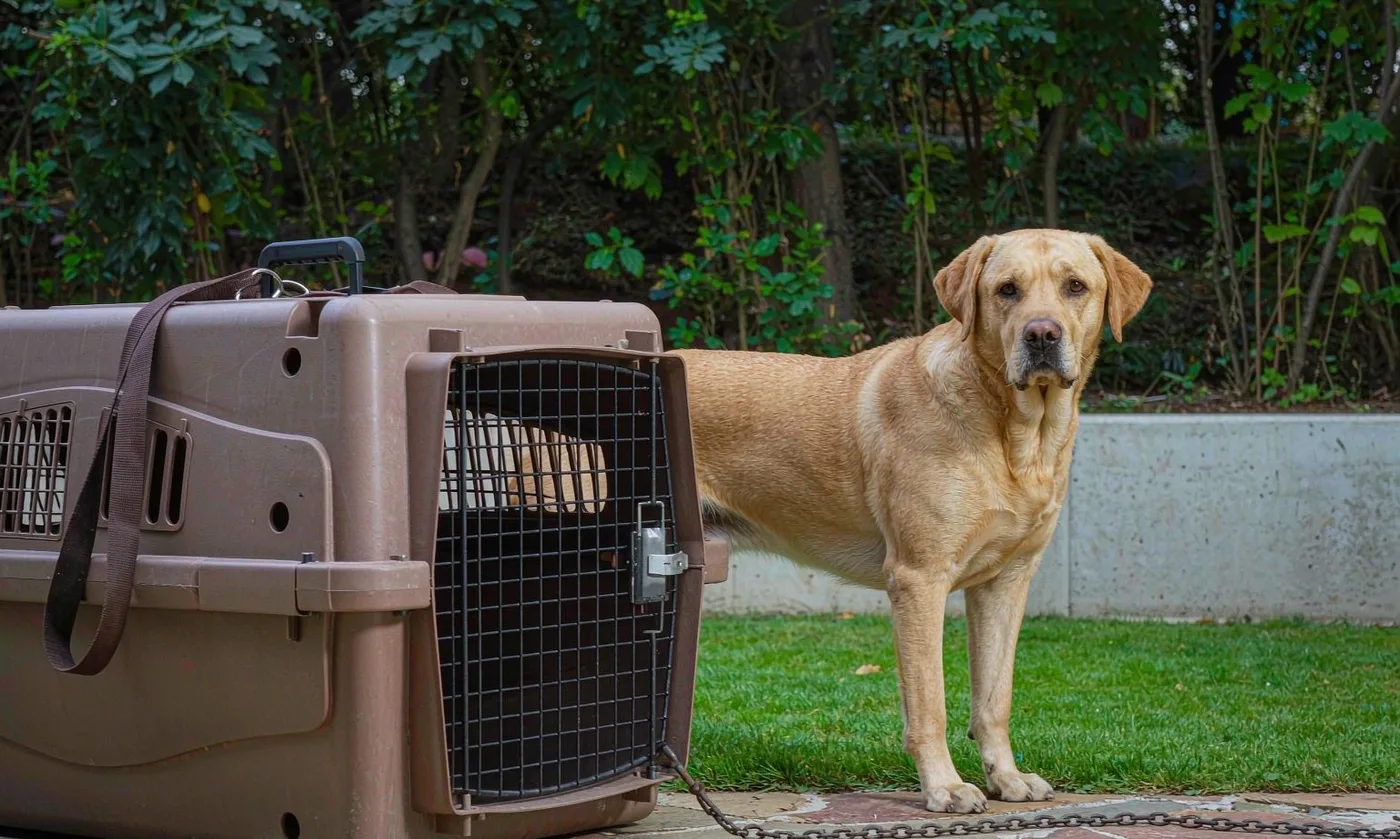
Development cost in this category concentrates in four places: pattern creation and grading, sampling rounds, tooling for moulded or branded components, and laboratory testing. A full bespoke programme pays all four in full. An ODM programme pays none of the first, one round of the second, none of the third unless branding requires it, and only the incremental portion of the fourth.
The up-front difference is therefore large and easy to see. What buyers misjudge is the unit cost difference, which is smaller and sometimes runs the other way. A catalogue base benefits from amortised tooling and from a production line that has run the pattern before, so first-article yield is higher and waste is lower. A bespoke build carries new-pattern risk, and the supplier prices that risk into the first two or three orders until yield stabilises.
Where ODM genuinely costs more per unit is in the modification surcharge. A buyer who wants a fabric that is not part of the approved set, or a hardware finish that is not stocked, pays for minimum-dye lots, minimum trim orders and an extra sampling round. Those surcharges are usually quoted as a per-unit adder and they can erase the tooling advantage entirely if the modification list is long.
Exclusivity is the third cost layer and the one most often discovered late. A supplier asked to withhold a base from other buyers in a named territory is giving up revenue, and will price that either as a per-unit premium or as a minimum annual volume commitment. Both are legitimate; the error is assuming exclusivity is included.
The practical way to compare is to model the first two years rather than the first order. Full development front-loads cost and produces a defensible differentiated asset. ODM spreads cost, reaches market sooner, and produces an asset the buyer can upgrade later. For most programmes under 10,000 units in year one, the ODM path wins on cash and on risk even where it loses on distinctiveness.
ODM wins on up-front cash, tooling amortisation and calendar; full development wins on differentiation and long-run unit cost, and the correct comparison is a two-year model rather than a first-order quote.
How Far You Can Modify an ODM Base
Modification is not a single decision but a ladder, and each rung has a different cost, a different effect on the sampling calendar, and a different consequence for testing. Buyers who understand the ladder can spend their differentiation budget precisely instead of spending it evenly across changes that produce no commercial return.
Tier one is cosmetic and carries almost no penalty: colourway from an existing shade card, standard logo application, retail packaging and labelling. These changes do not touch the pattern and do not invalidate existing documentation, and they are usually absorbed into the standard sample cycle of 6-10 working days.
Tier two changes materials and trim without changing geometry: shell fabric swap within the same weight class, lining change, hardware finish change, webbing or binding change. This is where testing scope has to be re-checked, because a new material enters the chemical compliance picture even when the design is unchanged.
Tier three changes geometry: a new panel, a relocated opening, an added pocket, an extra size, or a different base structure. This requires pattern work, a new grading if sizes are added, and two additional sampling rounds. It is still cheaper than full development because the assembly logic and much of the trim package carry over, but it is no longer a catalogue transaction.
Tier four is a new platform, at which point the buyer has effectively moved to OEM and should be negotiating on OEM terms, including pattern ownership. The boundary between tier three and tier four is the point at which the supplier cannot build the product using existing tooling and existing assembly sequence.
| Modification tier | Typical change | New tooling | Effect on sample cycle | Testing impact |
|---|---|---|---|---|
| Tier 1 cosmetic | Colour, logo, packaging, labelling | None | None; 6-10 working days holds | None if base materials unchanged |
| Tier 2 material | Shell, lining, hardware finish, webbing | Rarely | Adds 3-5 working days | Chemical scope must be re-checked |
| Tier 3 structural | New panel, opening, pocket or size | Sometimes | Adds 10-15 working days | Physical and chemical scope both affected |
| Tier 4 new platform | New geometry and assembly logic | Yes | Adds 4-8 weeks | Full test programme required |
Tier one and tier two modifications keep an ODM programme inside its original sample and compliance envelope; tier three and tier four convert it into a development project and should be negotiated as one.
Tooling, Moulds and Who Should Own the Development
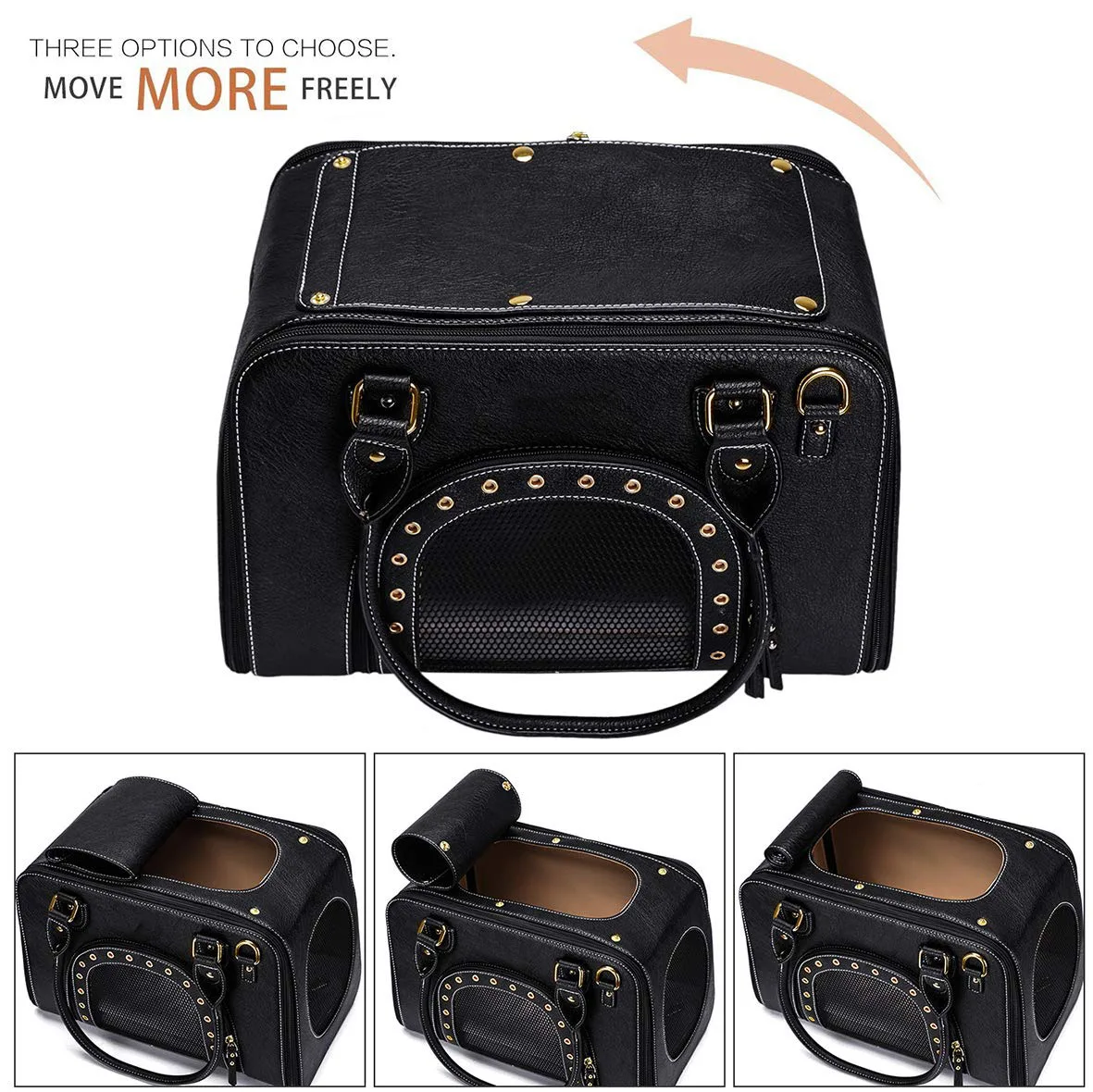
Tooling is the part of an ODM discussion that produces the most disputes, because it is the only item with a value that outlives a single order. Moulded buckles, branded zipper pulls, EVA formers, moulded shells and embossed plates all require tooling, and the tool physically sits in a partner facility regardless of who paid for it.
The default position in most ODM arrangements is that the supplier owns tooling for catalogue components and the buyer owns tooling they specifically commissioned. That default is reasonable but incomplete, because it does not address what happens when a buyer-funded tool is used to make a component that another buyer also wants, or when the buyer wants to move production later.
A buyer paying for tooling should secure three things in writing. First, an acknowledgement that the tool is theirs and will not be used to supply the same component to a named competitor. Second, a stated tool life and a statement of who pays for refurbishment or replacement when that life expires. Third, a release clause setting out the conditions under which the tool will be released or transferred if the relationship ends.
Cost ranges vary widely by component complexity, but the structure of the decision does not. A branded zipper pull is a modest tool and almost always worth funding, because it is visible, it signals brand, and it cannot be casually copied. A moulded structural shell is a serious tool and should only be funded when the buyer has volume certainty, because the amortisation only works across several seasons.
Buyers should also ask who maintains the tool and what happens during inactive periods. A tool that sits unused for eighteen months may need refurbishment before it runs again, and an agreement that is silent on that point produces an argument at exactly the wrong moment in a reorder.
Tooling ownership is only meaningful when the agreement also states tool life, refurbishment responsibility, competitor-use restriction and the conditions for release.
Exclusivity: Territory, Channel and Time
Standard ODM carries no exclusivity. The supplier may sell the same base to any buyer in any market, and in practice the first buyer to find the base often meets it in a competitor's range within two seasons. Buyers who care about that outcome must buy protection, and the protection is priced according to how much revenue the supplier gives up.
There are four common structures. Channel exclusivity restricts the base to a named channel, such as marketplace or specialty retail, in one country. Territory exclusivity restricts it geographically for all channels. Time-limited exclusivity grants full protection for a defined window, typically six to twelve months, after which the base returns to the open catalogue. Full exclusivity is permanent and rare, and it is priced accordingly.
Each structure has a natural buyer. Channel exclusivity suits a marketplace seller whose exposure is a competing listing on the same platform. Territory exclusivity suits a distributor with real in-country distribution and a marketing budget to defend. Time-limited exclusivity suits a launch, where the buyer needs one clean season before the base appears elsewhere. Full exclusivity suits a buyer with enough committed volume that the supplier's foregone revenue is simply replaced.
Suppliers usually accept a lower premium in exchange for a volume commitment rather than a higher unit price, because committed volume is worth more than margin on an uncertain quantity. A buyer with credible forecasts should therefore offer commitment before offering premium, and should structure it as a minimum annual quantity with a review rather than a fixed purchase obligation in a weak season.
Whatever the structure, exclusivity must be written against a named base and a named configuration, not against a product description. A clause that protects "the model" does not protect the buyer if the supplier relaunches it under a different code with a different lining. Photographs and a signed approval sample attached to the agreement close that gap.
Exclusivity has four workable forms and every one of them is priced against the revenue the supplier forgoes, which is why a volume commitment usually buys more protection per dollar than a unit premium does.

Compliance and Testing Readiness in an ODM Programme
Existing test documentation is one of the genuine advantages of ODM, and it is also the most frequently misused. A test report applies to a specific article made from a specific material set, tested against a specific standard, on a specific date. It does not apply to a different colourway if the dye changes, and it does not apply after a lining substitution, however minor that substitution looks.
Buyers should therefore treat every ODM test file as conditional and re-scope it against the exact configuration being ordered. The questions to ask are which SKU was tested, which material set, which standard, which laboratory, and what date. A report more than two years old should be treated as indicative rather than current, particularly where chemical limits have been revised since.
For European placement, chemical compliance is the binding constraint, and buyers should verify substance scope against the current candidate list rather than assuming a supplier's declaration covers it; the European Chemicals Agency publishes the reference lists that enforcement bodies work from. For California placement, warning obligations are separate and are assessed on exposure rather than on content, and the Office of Environmental Health Hazard Assessment maintains the proposition list that drives that assessment.
Where a product may be presented as a children's article, or where a buyer's own marketing places it in that category, the assessment changes again. Lead content and phthalate limits under the Consumer Product Safety Commission regime apply to children's products, and a buyer who positions a product toward children without testing for that regime has created an exposure that no supplier declaration will absorb.
The practical control is a written compliance matrix attached to the purchase order, listing standard, scope, laboratory, report number and validity date for each SKU, with an explicit note of which material changes trigger re-test. Independent verification is available through programmes such as those described by SGS, and a pre-shipment inspection to AQL 2.5 should confirm markings and labelling against that same matrix.
An ODM test report travels with the material set, not with the design; any material substitution reopens chemical scope and the buyer should hold a compliance matrix that names the trigger for re-test.
A Decision Framework: ODM, Modified ODM or Full Development
The choice is best made against five variables rather than against instinct. The first is differentiation: what physical attribute makes a shopper choose this product, and can a competitor order it? The second is volume certainty in units per year. The third is calendar, meaning the date the goods must land. The fourth is development budget available before the first order. The fifth is channel requirement, because some retail buyers demand documented exclusivity as a condition of listing.
The pattern that emerges is consistent. Launch on standard ODM when volume is unproven and calendar is tight, because the objective at that stage is to learn whether the product sells rather than to own it. Move to modified ODM once a SKU has demonstrated repeat demand, spending the budget on the specific attribute that drives the purchase decision rather than across the whole product.
Convert to full development at the point where the SKU's annual volume is large enough to amortise tooling across two seasons and where differentiation has become the constraint on margin. That point is reached far later than most first-time buyers expect, and reaching it early is a common cause of stranded tooling.
Commercial mechanics stay the same across all three paths in our programmes: MOQ 500 pieces per colourway, samples in 6-10 working days, bulk in 35-50 days after approval, AQL 2.5 inspection before release, T/T 30/70 terms and FOB Xiamen. What changes is only what sits inside the development window and what the buyer owns at the end of it.
Buyers planning the sequence should read our guidance on OEM contract manufacturing for the comparison case and on own-brand brand strategy for how base selection maps onto a range architecture, because the development model and the brand architecture have to be decided together rather than separately.
Launch on standard ODM, upgrade the winning SKU to a modified base, and convert to full development only when annual volume can amortise tooling across two seasons.
Why brands source here
- Pet bag programmes run since 2014; founding team in sewn goods since 2004
- SGS-verified production floor of 4,950 m² with 137 workers across 7 lines
- Monthly capacity of 200,000 units, audited to BSCI and ISO 9001
People Also Ask
What does ODM mean in pet bag sourcing?
ODM means the supplier owns the design and the buyer sells it under their own brand. The buyer inherits the pattern, the graded sizes, the approved material set and any existing test file, usually at MOQ 500 pieces per colourway.
What is the difference between ODM and OEM?
Under ODM the supplier owns the design file; under OEM the buyer owns the specification and the supplier executes it. Ownership determines whether a competitor can order the same product and who controls tooling release.
Is ODM cheaper than developing a pet bag from scratch?
Up front, yes, and substantially: no pattern cost, fewer sampling rounds and amortised tooling. On unit cost the gap is smaller, and a long modification list or an exclusivity premium can erase the advantage entirely.
Can an ODM pet bag design be changed?
Yes, across four tiers. Colour and branding change nothing; material and trim changes add days and reopen chemical scope; structural changes require pattern work; a new geometry is a full development project.
Does ODM include exclusivity?
Not by default. Standard ODM allows the supplier to sell the same base to any buyer in any market. Exclusivity must be negotiated by channel, territory, time window or in full, and it is priced against the revenue the supplier forgoes.
Who owns tooling in an ODM agreement?
Supplier-funded catalogue tooling is normally the supplier's; buyer-commissioned tooling should be acknowledged as the buyer's, with a written statement of tool life, refurbishment responsibility and release conditions.
Do existing ODM test reports still apply after a material change?
No. A test report covers a specific article in a specific material set. Changing a lining, a coating or a dye lot reopens chemical scope, and the buyer should hold a compliance matrix naming the triggers for re-test.
Frequently Asked Questions
What order size does an ODM programme require?
MOQ 500 pieces per colourway in our programmes, with samples in 6-10 working days and bulk production in 35-50 days after approval. Modifications at tier three or above extend the sample cycle rather than the MOQ.
How should exclusivity be priced?
Against the revenue the supplier gives up. A volume commitment usually buys more protection per dollar than a unit premium, because committed annual quantity is worth more than margin on an uncertain order.
Can two sizes share one MOQ?
No as a rule. MOQ applies per colourway, and size runs within a colourway are planned against demand ratios. Splitting 500 across two colourways doubles the exposure and usually raises unit cost.
What should be attached to an exclusivity clause?
A named base code, photographs, and a signed approval sample. A clause protecting a product description fails if the supplier relaunches the same article under a different code with a changed lining.
How long does a tier two material change add to sampling?
Typically three to five working days beyond the standard 6-10 working day cycle, plus whatever time the laboratory needs if the new material triggers additional chemical testing.
Is it better to fund tooling or pay a unit premium?
Fund tooling when the component is visible, brand-carrying and needed across several seasons, such as a branded zipper pull. Pay a premium when volume is uncertain and the tool would not amortise.
What happens to buyer-funded tooling if the relationship ends?
Whatever the agreement says. Without a written release clause the tool usually stays in the partner facility, which is why transfer conditions should be agreed before the tool is cut rather than after.
How often should ODM test reports be refreshed?
Treat anything older than two years as indicative rather than current, and refresh immediately after any material, coating or dye change regardless of the date.
Does ODM affect inspection?
No. Every lot is still inspected to AQL 2.5 before release, and the worksheet should include markings, labelling and measurement conformance alongside the usual construction checks.
What are the standard commercial terms?
MOQ 500 pieces per colourway, samples in 6-10 working days, bulk in 35-50 days after approval, AQL 2.5 inspection, T/T 30/70 terms, FOB Xiamen.
Should a first order use ODM?
Almost always. The objective of a first order is to learn whether the product sells, and paying for differentiation before that is known is the most common way first-time buyers strand development budget.
Can an ODM base be upgraded later without restarting?
Yes, and that is the intended path. A proven base can move to modified ODM and then to an exclusive platform without losing the assembly logic, which is why the sequence is cheaper than starting bespoke.
Talk to QUANZHOU JUNYUAN BAGS about a wholesale pet bag order: MOQ 500 pieces per colourway, samples in 6-10 working days, bulk production in 35-50 days under AQL 2.5 inspection.
Get a free quote Request a sample