Pet Therapy Dog Bag: Wholesale Specs, MOQ and Pricing
A pet therapy dog bag built for facility work is a 6-12 litre wipe-clean shoulder or sling kit, quoted at MOQ 500 pieces per colour and FOB Xiamen USD 4.80-9.60 per unit depending on shell fabric and hardware grade. Most therapy programmes order 1,000-3,000 units a year across two colourways. The cost drivers are disinfectant-safe coatings, silent hardware and credential display, not raw size. Budget 6-10 working days for samples and 35-50 days for bulk.
Executive summary for programme buyers. Therapy dog bags sit in a different buying category from retail pet carriers because the buyer is rarely the end user: hospital volunteer offices, school district counselling teams, corporate wellness vendors and national therapy animal registries purchase on behalf of handlers, and they specify against infection-control rules rather than fashion. That single fact reshapes the entire specification. Surfaces must survive repeated wiping with quaternary or bleach-based disinfectant, hardware must be silent in quiet wards, and the credential window must be readable at arm's length by reception staff.
Commercial baseline for this category: MOQ 500 units per colour on bag bodies, samples delivered in 6-10 working days, bulk production 35-50 days after sample approval and deposit, incoming and final inspection to AQL 2.5 with a separate functional check on zips and strap anchors. Standard terms are T/T 30/70 against FOB Xiamen. Printing, woven labels and hangtags are quoted separately from the bag body because they carry their own minimums. Our production team runs these programmes through an SGS-verified production base with BSCI and ISO 9001 coverage, and we hold the chemical test reports on file so repeat orders do not wait on re-testing. Buyers who plan the programme in two colourways rather than six reach the same shelf presence at a materially better unit cost.
Pet bag moq is quoted per colourway, not per order, so Pet Bag Types & Styles planning decides how many shades a launch can carry. A pet bag wholesale price that looks attractive at 500 units often shifts once the dye-lot minimum is added, and pet bag sample cost is normally credited back against the first production run.
What a therapy-work bag must do that a retail pet bag does not
A retail pet bag is sold on looks and comfort. A therapy dog bag is bought against a facility rulebook, and the rulebook is written by people who have never purchased a bag before. Infection-control committees, volunteer-service managers and risk officers each hold a veto, and the bag specification is where their requirements collide. For a distributor or programme buyer, the practical consequence is that the winning specification is rarely the cheapest one; it is the one that survives a documented wipe-down protocol and still looks presentable after a full volunteering season.
The core functional difference is surface. Hospital and long-term-care environments require that any soft good brought into patient areas can be cleaned with the same disinfectant used on other equipment. A 600D polyester with a standard PU coating will craze and delaminate after a few dozen wipe cycles with a quaternary ammonium product. TPU-laminated shells, 900D Oxford with a heavier coating, or a wipe-clean vinyl shell hold up far better, and buyers who specify the cheap option typically see a complaint spike in month four rather than month one. That delayed failure is expensive because it lands after the reorder decision has already been made.
The second difference is acoustics. Metal D-rings, jangling clips and unshielded zip pulls create noise that handlers notice immediately in wards and reading rooms where children are working with a therapy animal. Silent hardware is not a marketing flourish in this category; it is the difference between a handler using the bag or leaving it in the car. Coated pulls, elastic keepers on strap ends and fabric-wrapped rings cost cents per unit but drive the reorder rate more than any other single detail.
The third difference is identification. A therapy team is frequently asked to show registration credentials at a reception desk, and a clear credential window removes a friction point that otherwise costs the handler a minute at every visit. Programmes that adopt a standardized credential sleeve also find it easier to rotate bags between volunteers, which raises the effective utilisation of each unit and lowers the number of bags needed per active team.
- Surfaces must tolerate facility-grade disinfectant, not household soap.
- Hardware must be silent during close-contact work with patients and students.
- Credentials must be visible without unpacking the bag.
- The bag must read as professional equipment, not as travel luggage.
- Storage of treats, waste bags and handler paperwork should be separated.
There is also a procurement-timing dimension that separates this category from retail buying. Facility programmes budget annually, onboard volunteers in cohorts and rarely have warehouse space for palletised stock, so orders tend to arrive in two clear windows tied to training calendars rather than to retail seasons. A supplier who understands that pattern will reserve line capacity for the programme's known window instead of quoting spot capacity that may not exist when the purchase order is finally released. Buyers should therefore confirm scheduling at the quotation stage, not at the order stage, and should ask explicitly whether the quoted lead time assumes a repeat specification or a first-time build.
For distributors, the commercial implication is that therapy programmes reward reliability over novelty. A specification that ships on time for three consecutive years will outsell a cleverer design that misses a training cohort, because the cost of a missed cohort is a cancelled programme year rather than a delayed sale. This is the reason experienced buyers in this category hold a locked tech pack and a standing annual forecast instead of re-tendering the bag every cycle.
Spec and cost matrix for therapy dog bag programmes
The table below reflects the three specification tiers that dominate wholesale enquiries in this category. Prices are indicative FOB Xiamen bands for a 1,000-unit order and move with fabric markets, hardware grade and the number of decorative processes on the bag. They are given as ranges because the spread inside a tier is often wider than the gap between tiers when branding is heavy.
| Parameter | Entry programme | Facility-grade | Premium volunteer kit |
|---|---|---|---|
| Volume | 6-8 L sling | 8-12 L shoulder kit | 10-14 L structured kit |
| Shell | 600D polyester, PU | 900D Oxford, TPU laminate | TPU laminate plus vinyl base |
| Wipe cycles (target) | 150 | 400 | 600+ |
| Hardware | Standard zinc alloy | Coated silent pullers | Coated plus wrapped rings |
| Credential window | None | Clear TPU sleeve | Replaceable rigid window |
| Lining | 210D plain | 210D wipeable | Removable washable liner |
| MOQ per colour | 500 | 500 | 500 |
| FOB Xiamen band | USD 4.80-6.10 | USD 6.40-8.20 | USD 8.30-9.60 |
| Sample lead time | 6-10 working days | 6-10 working days | 8-10 working days |
| Bulk lead time | 35-45 days | 38-50 days | 40-50 days |
| Inspection | AQL 2.5 | AQL 2.5 plus wipe test | AQL 2.5 plus wipe test |
Read the matrix as a decision tool rather than a price list. A programme buying for a single hospital system with 60 volunteer teams rarely needs the premium tier; the facility-grade row covers disinfection, quiet hardware and credential display for most of the price gap. The premium tier earns its money when bags rotate between handlers weekly and the organisation cannot afford downtime for cleaning, because the removable liner lets a soiled kit go back into service the same day.
The entry row carries a specific risk that buyers should price in. A 600D PU shell at 150 wipe cycles will typically need replacing within a volunteering year for teams visiting weekly. Replacing 500 bags early wipes out the entire saving against the middle tier, so the cheapest quote is usually the most expensive programme once a full replacement cycle is modelled. Buyers should always ask the supplier for the wipe-cycle test method and the disinfectant used, not merely a claim that the fabric is easy to clean.
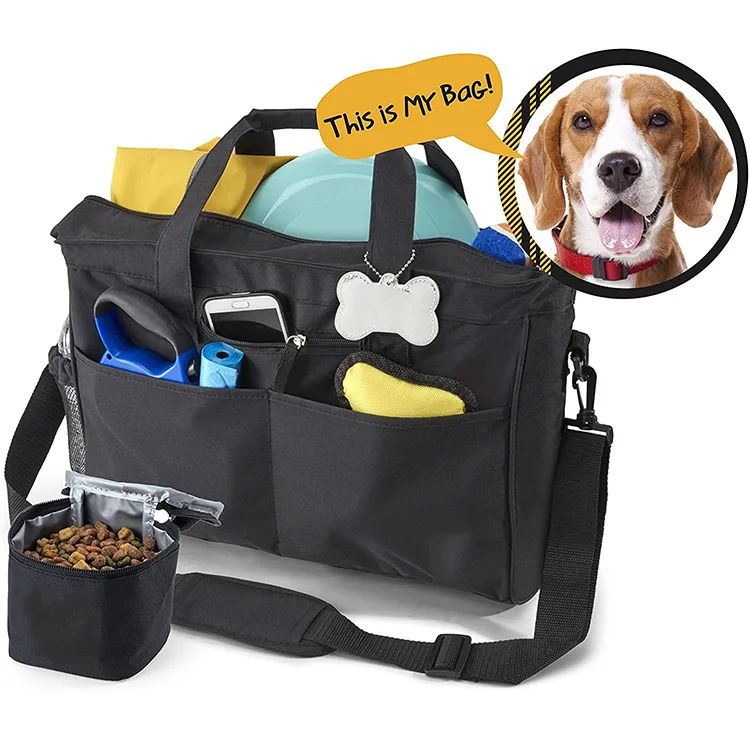
Fabric and surface choices for infection-control environments
Fabric selection for this category is a chemical question before it is a textile question. The shell has to resist the disinfectant the facility actually uses, and facilities differ: some standardise on quaternary ammonium, some on accelerated hydrogen peroxide, some on diluted sodium hypochlorite. Each attacks coatings differently. A TPU laminate tolerates all three reasonably well; a PVC coating tends to stiffen and crack under peroxide; a cheap PU coating hydrolyses fastest of all. Asking the end facility which product is on their approved list is a two-minute conversation that prevents a season of warranty claims.
Coating weight matters as much as coating chemistry. Two shells with identical base cloth can behave completely differently if one carries 0.12 mm of laminate and the other 0.25 mm. Buyers should specify coating thickness in the tech pack, not just fabric denier, because denier alone tells you nothing about chemical resistance or about how the surface will feel after repeated wiping. Our production team routinely quotes both options side by side so the buyer can see the cost delta for a thicker laminate before committing.
A second surface decision is the base panel. Bags in this category spend time on floors in patient rooms, on school library carpet and in vehicle footwells. A reinforced, wipe-clean base panel in vinyl or heavy TPU-coated Oxford extends service life substantially and adds a small amount of structure that helps the bag stand upright when the handler sets it down during a visit. The cost is modest and the perception of quality is disproportionate, which matters when the bag carries an organisation's logo into a hospital.
Finally, consider colour stability under disinfection. Dark navy and charcoal hide soiling but show chemical hazing; mid-tone colours hide both. Programmes that have switched from black to a mid grey or a muted teal consistently report fewer cosmetic complaints, and since the bag is a visible part of a volunteer's presentation, cosmetic condition drives replacement requests more than functional failure does.
Hardware, noise and handling details that decide reorder rates
Hardware is where therapy programmes quietly win or lose. The parts list is short: a main zip, a shoulder strap with adjustment, one or two attachment rings, a credential sleeve and, on better kits, a waste-bag dispenser. Each part has a version that is silent and a version that is not, and the difference is usually a coating or a fabric wrap rather than a different alloy. Specifying silent hardware costs roughly USD 0.20-0.45 per unit and removes the single most common complaint handlers report.
Zip selection deserves specific attention because it is the part most likely to fail and the part most likely to be downgraded in a price negotiation. A number 5 coil zip with a coated pull and a fabric garage at the end is the sensible baseline; a number 8 gives a longer service life on structured kits where the zip runs around a corner. Metal-toothed zips are best avoided entirely because they are noisy and because they can scratch flooring and furniture in the facilities the bag visits.
Strap design is the other half of handler satisfaction. A 38 mm webbing strap with a sliding pad spreads load adequately for a bag carrying treats, paperwork and a water bowl; below 32 mm the same load starts to cut into the shoulder during a two-hour visit. Strap ends should be heat-cut and folded back rather than left raw, and any excess webbing should be captured in an elastic keeper so it does not swing and tap against the bag while the handler walks a corridor.
- Zip pulls: coated, with a fabric garage to silence travel.
- Rings: fabric-wrapped or coated, never bare metal against webbing.
- Strap: 38 mm minimum with a sliding shoulder pad on 10 L kits.
- Credential window: clear TPU, replaceable, sized to the issuing registry card.
- Waste-bag dispenser: grommet or hook, positioned away from patient contact side.
These details do not appear on a quote line by line, which is exactly why buyers should insist on a written hardware schedule. When a supplier quotes "equivalent hardware" without a schedule, the bag that arrives in bulk rarely matches the sample that was approved, and the mismatch surfaces only after the programme has distributed hundreds of units.
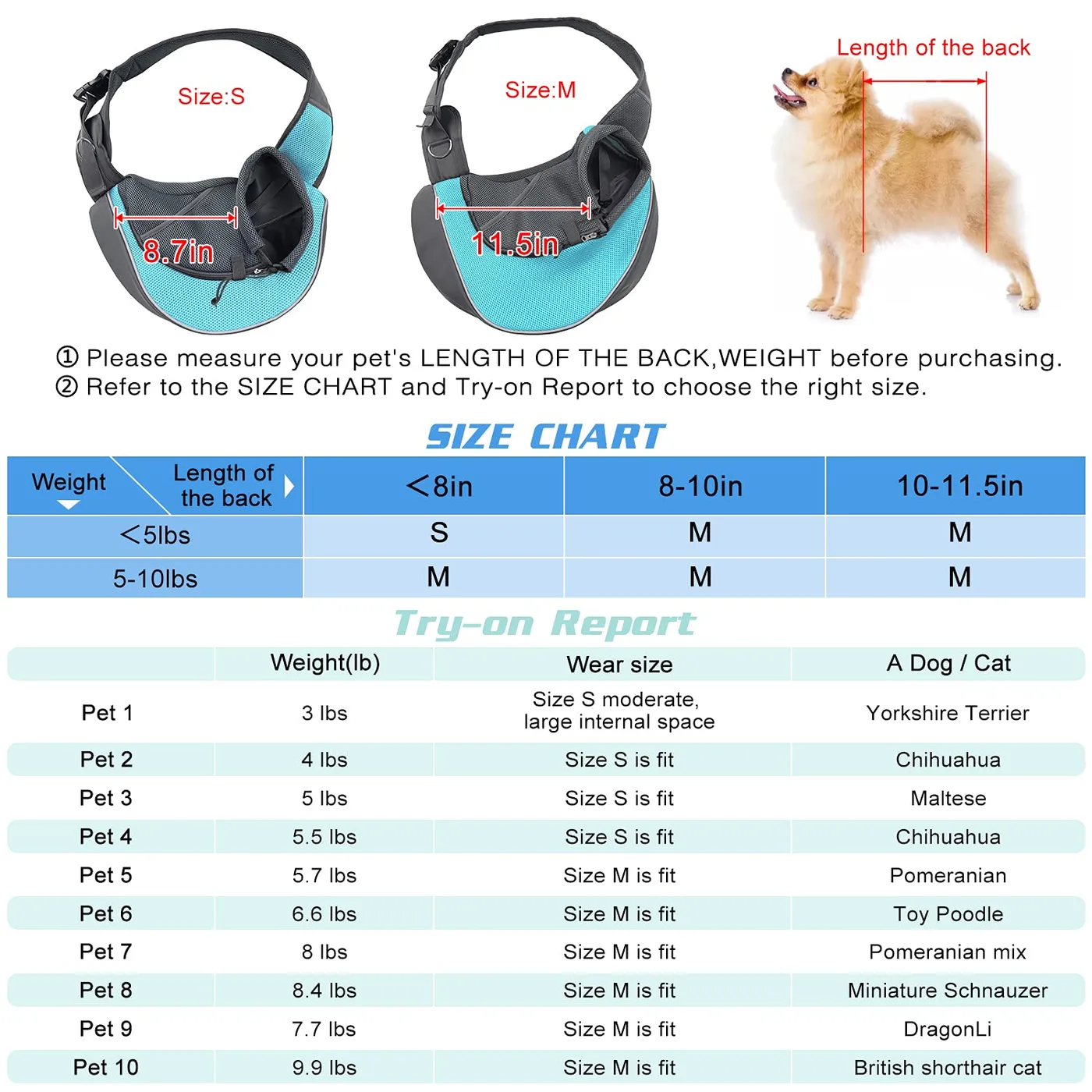
Compliance, chemical testing and documentation buyers must request
Therapy bags enter hospitals, schools and care facilities, so the documentation burden is heavier than for a general-purpose pet bag. The baseline expectations in United States channels are CPSIA lead and phthalate limits on accessible substrates, a Prop 65 assessment if the programme sells or distributes in California, and REACH SVHC declarations for European programmes. None of these are exotic, but each requires a test report that names the actual material lot, not a generic certificate copied from a previous season.
Textile-specific certification is the next layer. An OEKO-TEX standard certificate on the shell and lining fabrics is increasingly requested by institutional buyers because it resolves several chemical questions in one document. Where a programme supplies to a hospital system with a formal purchasing department, that certificate is often the difference between passing vendor credentialing and being sent back for more paperwork.
Facility-level documentation is separate from product compliance and is frequently overlooked. Infection-control committees may ask for a written cleaning protocol, a statement of the disinfectants the surface tolerates, and confirmation that the bag contains no porous components that cannot be wiped. A supplier who can supply a one-page care and disinfection sheet with the shipment saves the programme buyer weeks of correspondence with the facility. Our production team issues these sheets as part of the standard documentation set for institutional programmes.
Buyers should also request the animal-welfare and handling policy angle when the purchasing organisation is a national registry. Handlers are increasingly asked to show that equipment does not restrict the animal's movement or posture during work, and guidance from bodies such as the American Veterinary Medical Association on animal-assisted interventions shapes what registries are willing to endorse. A bag specification that supports neutral posture and avoids rigid internal frames is easier to get endorsed than one that prioritises structure over comfort.
MOQ, price bands and landed-cost math for programme buyers
MOQ 500 pieces per colour is the working minimum on bag bodies in this category. The constraint is fabric and trim purchasing: a colourway below roughly 500 units cannot be dyed or woven economically, and the setup time on printing and cutting does not shrink with quantity. Programmes that need fewer than 500 in a colour usually solve it by keeping one body colour and varying the trim, which reads as a two-colour line at the shelf while consuming only one fabric minimum.
Price is driven by four things in descending order of impact: shell fabric and coating, hardware grade, number of decorative processes, and packaging. A decision to add an embroidered logo rather than a woven label can move unit cost by USD 0.35-0.90 depending on stitch count and placement. Buyers frequently spend the branding budget before they have spent it on the surface, which is backwards for this category: a disinfectant-safe shell protects the programme's reputation, while an embroidered logo protects nothing.
Landed-cost math should be done early because the bag is bulky relative to its weight. A 10 L structured kit at roughly 0.9 kg packed flat still cubes out a 40-foot high-cube container on volume rather than weight for most programmes. Consolidating two colourways into one shipment, shippingflat rather than stuffed, and using a standard export carton size all reduce freight per unit more than another round of price negotiation will.
Payment terms matter to the total as well. Standard terms are T/T 30/70 against FOB Xiamen, with the balance due against a copy of the bill of lading or after final inspection depending on the buyer's policy. Buyers who can accept inspection-based release rather than pre-shipment sample release shave days off the schedule, which is worth more than a marginal price concession when a volunteer training cohort has a fixed start date.
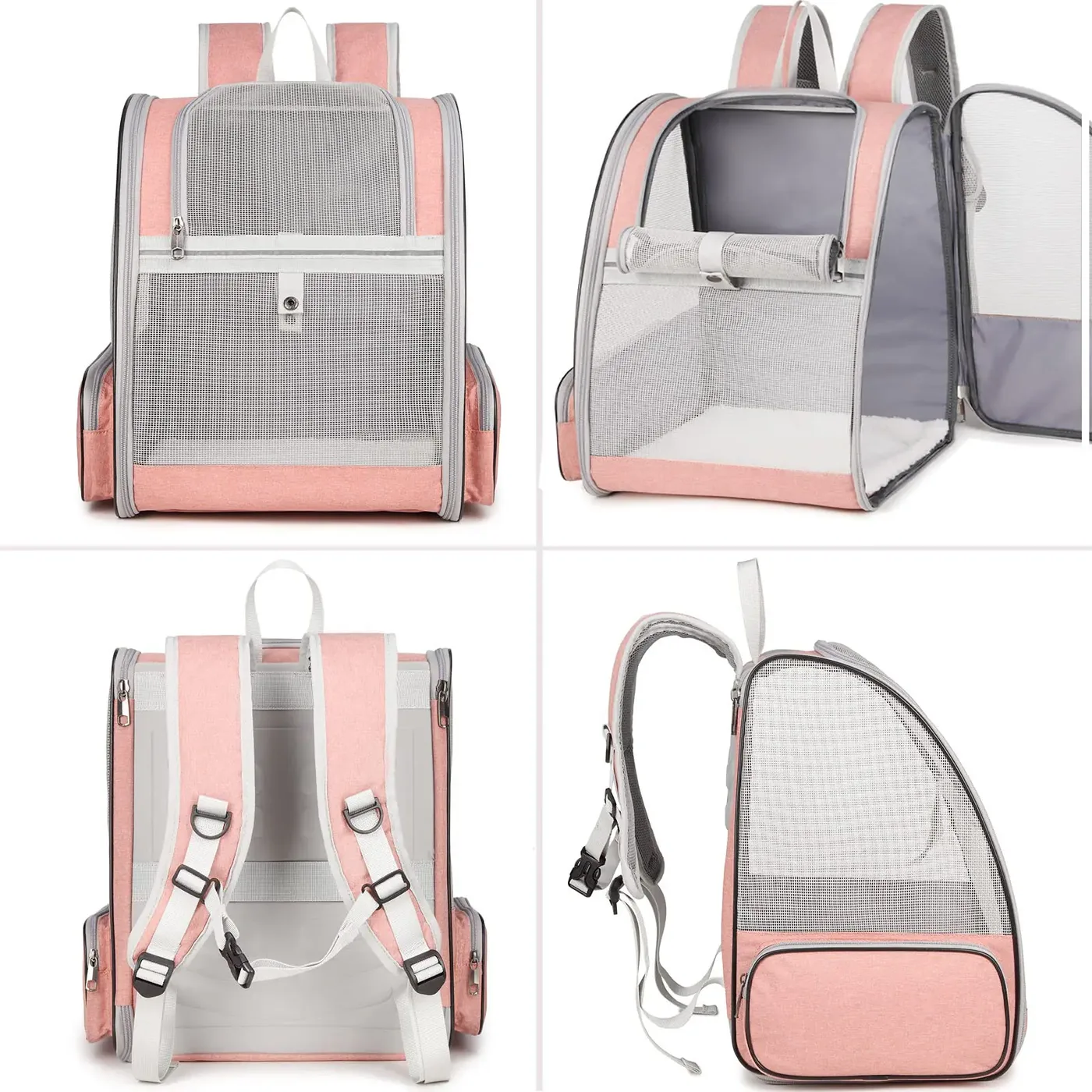
Sampling, production scheduling and AQL inspection gates
Samples take 6-10 working days for a bag in this category when the shell fabric is in stock and the hardware is standard. Custom hardware, a bespoke woven label or a special coating pushes the sample to the upper end of that range because each has its own procurement step. Buyers should treat the sample as a specification audit rather than a photo opportunity: check the credential window against the actual registry card, run the strap through fifty adjustment cycles, and wipe the shell twenty times with the facility's disinfectant before approving.
Bulk production runs 35-50 days after sample approval and deposit. The spread is driven by the same variables as sampling plus line scheduling: a programme landing in the pre-season peak needs the full 50 days, while a repeat order on an unchanged specification can often be scheduled at the short end. Colour-matching a second dye lot is the most common cause of a schedule slip, so locking both colourways in the first order is the cheapest insurance available.
Inspection is to AQL 2.5 on appearance and workmanship, with a separate functional gate that matters more here: zip smoothness, strap anchor strength, credential window clarity and coating integrity after a wipe test on a pulled sample. A bag that passes visual AQL 2.5 can still fail the programme if the coating hazes under disinfectant, so the wipe test belongs in the inspection protocol as a defined step, not as an afterthought performed by whichever inspector is available.
Buyers new to this category should also budget for a pre-production sample in addition to the sales sample. The pre-production unit is built on the actual bulk line with bulk materials and is the last point at which a coating or hardware substitution can be caught. Skipping it saves about a week and risks an entire container.
Branding, packaging and kitting for therapy organisation channels
Branding on therapy bags is understated by convention. Most programmes want a small woven label, a discreet printed mark on the credential sleeve area, and optionally the registry name printed small on the strap pad. Large front prints read as promotional and are often rejected by facility staff who do not want the bag to look like advertising in a patient area. Buyers should plan artwork accordingly and budget for a separate woven-label minimum, which is typically lower than the bag minimum but still applies.
Packaging depends entirely on the distribution model. A national registry shipping direct to handlers needs individual polybags plus a mailer carton that survives parcel handling. A hospital system distributing at volunteer orientation needs bulk packing with a simple card header. A retail or e-commerce channel needs retail-ready packaging with a barcode and, increasingly, a hangtag that carries care instructions. Each is a different unit cost and a different carton configuration, and the choice should be made before the order is placed rather than discovered at packing.
Kitting is where distributors add margin in this category. A therapy starter kit combining the bag with a treat pouch, a collapsible bowl, a waste-bag roll and a printed handler card sells at a multiple of the bag price while requiring only assembly labour. Our production team supports kitting at the packing stage for programmes that can supply or approve the third-party items, and consolidated kitting eliminates a second warehouse step for the buyer.
The last consideration is replenishment design. Programmes that standardise on one bag body and order annually get better pricing and continuity than programmes that redesign each cycle. Building a specification that can run unchanged for three years, with colourway refreshes rather than structural changes, is the single most effective cost lever available to a wholesale buyer in this category.
Why brands source here
- Pet bag programmes run since 2014; founding team in sewn goods since 2004
- SGS-verified production floor of 4,950 m² with 137 workers across 7 lines
- Monthly capacity of 200,000 units, audited to BSCI and ISO 9001
People Also Ask
What size bag does a therapy dog handler need?
Most handler programmes specify 8-12 litres: enough for treats, a collapsible bowl, waste bags, handler paperwork and a small water bottle without becoming luggage-sized in a patient room.
Are therapy dog bags different from service dog bags?
Yes. Service dog bags prioritise task-equipment access for one handler-animal pair, while therapy bags prioritise disinfectable surfaces, quiet hardware and credential display for rotating volunteer teams.
Can therapy bags be machine washed?
Wipe-clean shells are designed for surface disinfection rather than machine washing. A removable washable liner is available on premium tiers so soiled interiors return to service the same day.
What makes a pet bag suitable for hospital use?
A non-porous shell that tolerates the facility's approved disinfectant, minimal crevices, silent hardware and documented chemical compliance are the four criteria most infection-control committees apply.
How many bags does a therapy programme need per team?
Programmes running weekly visits typically allocate one bag per active handler plus a 10-15 percent reserve for rotation, soiling and onboarding of new volunteers during the year.
Do therapy bags need reflective trim?
Reflective piping is worth specifying when handlers walk campus or hospital parking areas at dusk. It adds a small unit cost and supports the duty-of-care position most organisations take on volunteers.
Frequently Asked Questions
What is the minimum order quantity for a wholesale therapy dog bag?
MOQ is 500 pieces per colour on bag bodies. Programmes needing a second colourway usually take 500 of the main colour and vary trim on the balance rather than opening a second fabric minimum.
How long does sampling and bulk production take?
Samples take 6-10 working days when shell fabric and hardware are standard. Bulk production is 35-50 days after sample approval and deposit, with the longer end applying to peak-season scheduling or custom coatings.
Which fabric survives hospital disinfectant best?
A TPU-laminated shell on 900D Oxford is the reliable choice, tolerating quaternary, peroxide and diluted hypochlorite products. Cheap PU coatings hydrolyse and craze fastest and are the usual cause of early cosmetic failure.
Why does hardware noise matter on a therapy bag?
Handlers work in wards, libraries and reading rooms where sound carries. Uncoated rings and bare zip pulls create distraction that leads handlers to leave the bag behind, which defeats the purpose of the purchase.
Can the credential window be sized to our registry card?
Yes. The window is cut to the issuing card dimensions and is normally specified in the tech pack. A replaceable rigid window costs more but lets a bag be reissued when a handler re-registers.
What inspection standard applies to these bags?
Appearance and workmanship are inspected to AQL 2.5. Institutional programmes should add a defined wipe test on a pulled sample plus zip-cycle and strap-anchor checks, since these failures do not show up in a visual inspection.
Which chemical compliance documents should we request?
Request CPSIA lead and phthalate reports for US distribution, a Prop 65 assessment for California, REACH SVHC declarations for Europe, and an OEKO-TEX certificate covering shell and lining fabrics.
How much does branding add to unit cost?
A woven label is the lowest-cost option. Embroidery typically adds USD 0.35-0.90 per unit depending on stitch count and placement, and carries its own minimum separate from the bag MOQ of 500.
Do you supply a disinfection care sheet with shipments?
Yes. A one-page care and disinfection sheet listing tolerated disinfectants is issued as part of the documentation set, which shortens the vendor credentialing process at hospitals and care facilities.
Can we ship kits assembled rather than bags alone?
Consolidated kitting is supported at the packing stage when third-party items are supplied or approved. This removes a second warehouse handling step and is where many distributors build margin.
What payment and shipping terms are standard?
Standard terms are T/T 30/70 against FOB Xiamen, with balance against bill of lading copy or after final inspection depending on buyer policy.
How should we plan colourways to control cost?
Limit the order to two colourways from one fabric minimum and vary trim for additional visual variety. This preserves shelf presence while avoiding a second dyelot charge and colour-matching risk.
Talk to QUANZHOU JUNYUAN BAGS about a wholesale pet bag order: MOQ 500 pieces per colourway, samples in 6-10 working days, bulk production in 35-50 days under AQL 2.5 inspection.
Get a free quote Request a sample